864: Attracting and Nurturing "Unicorn" Talent for Growth... While Creating a Culture For Everyone to Succeed w/ Alex Cheney


 Apple Podcasts

 Spotify

 Castro

 RSS Feed
Discover the transformative power of inclusive recruiting with Alex Cheney, our special guest whose journey from the entertainment industry to HR expert is nothing short of captivating and insightful. As we chat with Alex, he shares invaluable wisdom on creating a recruitment process that not only attracts a diverse pool of talent but also offers candidates a genuine peek into the soul of a company's culture. Listen in to learn how strategic recruiting can set the stage for the long-term success of both the new hires and the organizations they join, fostering teams that are not just skilled but also harmoniously aligned with the company's mission and values.
Venture with us into the vibrant world of tech startups where Alex shares insights on the challenges of building an inclusive culture from the ground up, especially when teams are spread across the globe. We discuss innovative ways to bring teams together, even when miles apart, and stress the importance of diversity and authenticity from the earliest stages of company growth. Prepare to be inspired by Alex's take on "unicorn" candidates and how an organization's leadership and branding can resonate deeply with these rare finds, turning the recruiting process into a magnetic force for top-tier talent.
Wrapping up our enlightening conversation, Alex delves into the empowerment and sense of belonging that's essential for any entrepreneur's journey. He opens up about his personal transition to business ownership and the critical value of employee development, emphasizing that fostering a strong, inclusive culture isn't just an afterthought—it's a foundational element that should be nurtured from the get-go. Tune in for a session filled with actionable insights and stories that will fuel your evolution from aspiring entrepreneur to one who triumphs with a team as diverse as the dreams that drive you.
ABOUT ALEX
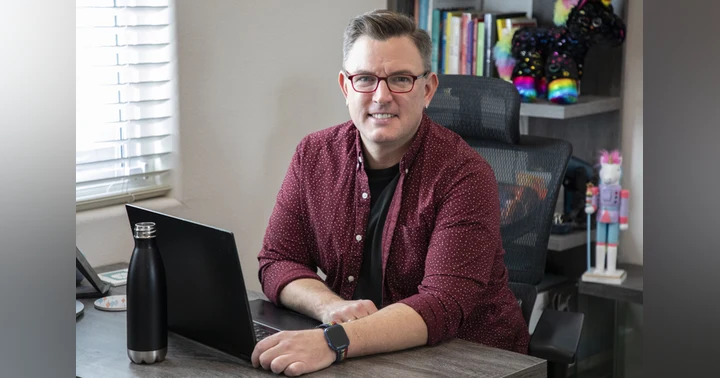
Alex Cheney recently launched A Little Bit Alex, his recruiting consultancy focused on helping people-first organizations build their teams and recruiting practices through the lens of inclusion. He brings with him a twelve-year career in HR and Recruiting across multiple industries. His recent focus has been in growth-stage tech startups.
LINKS & RESOURCES
0:00 Hey, what is up? Welcome to this episode of the Wantrepreneur to Entrepreneur podcast. As always, I'm your host, Brian Lofermento, and I'll tell you what we are bringing a guest on here today that is really going to open our eyes to so many critical components of building our teams and fostering an environment that everybody wants to be a part of and can be a part of. Let me tell you about today's guest because he is not your average consultant, no-transcript startups, and I think it's so important for all of us, as we want to become better leaders, better business people, for us to understand how to actually recruit correctly and recruit in the right way.
1:03 That sets everybody up for success. So I'm excited to learn from today's guest. I'm not gonna say anything else. Let's dive straight into my interview with Alex Cheney. All right, Alex, I'm so excited that you're here with us today. First things first. Welcome to the show. Thank you very much. That was a lovely intro. You pumped me up about myself. It was great. Honestly, it's always my goal. I'm just like I want the guests to be so excited about all the amazing ways that they show up in the world, because then our listeners will be. So that's right on cue, alex, I want you to take us beyond the bio. Who the heck is Alex? How'd you start doing all these great things that you're up to? Sure so? recruiting in HR is actually my second career.
1:44 My bachelor's degree is in music and I was actually in entertainment as a professional performer, singer, dancer, as well as on the business side for about 12 years. So I did that. I worked on cruise ships for six years, sailed the world both performing and kind of on the management side, and that's what I think those experiences really started opening my eyes to the need for belonging, the need for inclusion, because, you know, I got to see so many different cultures and meet people from all around the world and, you know, really had to kind of hone my own conversation skills, for example. You know to understand, you know how, how you address people in different cultures, like how, like what the expectations are in different cultures.
2:30 And so when I did transition very accidentally into HR, I but you know, very happily into HR I started to notice some of the, I guess, hurdles that there can be from both HR and recruiting, through that diversity lens and that inclusion lens, where the recruiting process is so much the first window that a candidate has to understand the culture of your organization. Am I even going to feel like I belong here? And I think that there are lots of things that we can do in that recruiting process to really highlight, you know, that spot for inclusion and belonging, to make you look like an even more exciting business for candidates.
3:16 Yeah, I love your word choice there, alex, because you said window and it's actually, I would argue. It's not frequently we use that word to describe our recruiting processes, but it really is. It is their first glimpse into our businesses. Sure, we all can all look at storefronts, but to gain that window into how a team operates, how an organization from the inside actually operates, that's incredible. And you're right, we get to be intentional and strategic about what window it is that we show them through and to make sure that the stuff on the other side of it is great. Talk to us about that, because I feel like a lot of people might think of recruiting as simply making a job posting, conducting interviews, and that's it what is? Obviously you look at recruiting as a much bigger role.
3:56 Talk to us about your view on recruiting as a whole. Yeah. So I think you bring up so many great points, like so many people see recruiting as just, oh, you're a recruiter, all you do is hire people, like so, talking about my own journey a little bit, one of the reasons I started my business is that I actually went through two separate layoffs in the tech space over the last several years, you know, while the markets were a little bit, you know, volatile, and it always seems like when a company goes through layoffs, recruiters are the first to go, and which I never understand, because recruiters are some of the most strategic people within the business. They not only have to understand what's happening within the business, they have to understand what's happening on specific teams, how those teams are interplaying with each other.
4:41 They have to speak to people at all levels of the organization, from the folks on the floor all the way up to your C-suite. And you know there are so many different types of skills here that that I think are very relevant, you know, within that process. So that's that's kind of how I view recruiting and the whole organization and that you know. You know I'm. That's one of the reasons I also started this business is try to take away that stigma that, you know, I'm just a person who, you know, interviews somebody and then gives them a job. When I move on to the next thing, no, like I have to see how that candidate journey is going. You know, six months from now is that candidate still, you know, functioning well within the organization, like, was this the right hire? You know?
5:21 So there's. There's all sorts of things that come with the recruiting. Yeah, I love that overview especially because we're for sure going to dive into that a little bit later of recruiting doesn't end when they accept that offer. So the fact that your attitude is towards let's make sure they're successful, let's truly set people up for success within our organizations or any organization it's such an important thing. But before we get there, I do want to go back to. You brought up travel as one of the windows through which you saw the world and through which brought you into the work that you do today. As the son of an immigrant mom, this is something that's so near and dear to my heart. My mom's fifth language is English, and so I see that let's use language as the example. It's when so many people go somewhere and they're like ah, these people are rude.
6:02 When I go places, I figure, well, if I learn a little bit of their language, even if I botch it, I know random words in Bahasa Indonesian and you get the most incredible responses to you. So I almost want to throw under the rug, or just throw under the bus right now, the golden rule which we've always been taught treat others how we want to be treated. Alex, it almost seems like the more I dig into your work. It's the anti-golden rule. It's treat others as they want to be treated. Talk to us about that important distinction. Yeah, that is absolutely the key. Something that I've learned through my travels that I was able to bring into the recruiting is that you have to understand the individuals that you're working with.
6:43 You have to understand where they're coming from, what are their needs, what are their goals, how does their relationship interplay with yours, and once you start to really understand that, you can collaborate on a strategy. I think a lot of what happens in the corporate world today is a lot of, you know, leaders dictating this is what we need and this is what we're doing, when there's not necessarily as much of a, of a, of a look at is this going to be the best move for for our team? Is that going to be the best move for our employees? Is that the best move for us as a company? And so I think that you know just having those travels and and you know just having those travels and you know to your point, like you know, having that moment where you can communicate, you know as little or as much as you can in their language.
7:37 You know that helps to build that rapport and have those individuals understand that you're not necessarily there as this. You know for lack of a better word foreign entity or foreign object, you know, to just kind of throw the world upside down, like you're there to help them, you're there to be a partner, you're there to understand where they are and how you can then meet them halfway. Yeah, I love that overview, especially because I think, in so many ways, alex I'm just going to keep on celebrating how much you are an entrepreneur now, like you, have the opportunity to make such a deep impact on not just one business, not just two businesses, but obviously all the clients that you serve and that you will continue to serve, and I think that that's powerful because you're right, you use the word just a little earlier and I'm going to piggyback on that because if someone views it as just HR or just recruiting, then they are setting themselves up for failure, because it never stops really, and so that's why I love in your role you can talk about how do we make sure they're successful six months down the road beyond that, which that's the point in which I'm going to bring up culture right here.
8:38 That's where culture starts to take over. We can control the hiring process, but ultimately, when they're embedded in our teams, it's the team's culture. Talk to us about what makes up a culture. How do we start crafting that culture in a way that sets them up for success? So the way that I look at this is that anything that you're going to do from a culture perspective, any big policy or vision that you want to have, has to come from the top. The senior leaders have to embrace the culture that you are looking to implement. They have to embrace the mission of the company, the vision of the company, and they have to operate themselves in a way that espouses that culture themselves, in a way that espouses that culture.
9:28 You know we can. We can, I can work inside of an organization and live every single day to their mission and to their values. But if my leaders aren't doing that, your culture fails. Because you know, you start to see that like, okay, I'm, we're celebrating these. We celebrate these things on paper, but we don't necessarily celebrate them with our actions. And so you are absolutely right that you know that culture is so important, and that's also why I say that the recruiting process is that first window into the culture. You know what is the interaction that I'm having with my recruiter? What's the interaction I'm having with the interview panel? Do I feel like they are engaged and invested in our conversation? Do I get the sense through their line of questioning that this is a team that fosters belonging, that celebrates development.
10:18 The reason that so many people leave roles or look for new roles is that they're looking for a growth opportunity because they feel stagnant in a role. Roles or look for new roles is that they're looking for a growth opportunity because they feel stagnant in a role. So you know, I have actually gone through interview processes myself where I can tell that, okay, they're looking for a worker, bee, they're looking for some. They're not necessarily looking for somebody who's going to contribute to the larger strategic vision of the organization, and so for me, that becomes a red flag, not only about the role, but about the culture that I would potentially be joining. So, yeah, I mean culture. I could talk for hours on culture. I think that there are so many aspects to this that are that are so important. Yeah, with that said, listeners, spoiler alert for all of you and Alex will know what this means a little bit later on, but we will be inviting Alex back for an Action Saturday episode.
11:01 I already know we're going to run short on time here today, but, alex, I feel like you have an interesting vantage point, because I think that the growth stage tech startup world that is such a unique world in so many different ways, but part of which that I really hone in on there is that there's a lot of teams are remote these days. That's one consideration. They are so growth focused that busyness is an essential part of those growth stage tech startups. How, what does culture look like? And especially, I guess right now I'll pick on that remote stage because, for example, for all of my businesses, every single one of my teams is remote. I think that that's a model that we all operate on. How can we bring these concepts to that remote based work?
11:42 Absolutely Like. I've been remote first, even before the pandemic, when I was in my full-time roles, and you know it was really. We had to get really creative on how we created that, you know, that environment of the belonging and feeling like you were part of the business and part of the team and you know making sure that we felt psychologically safe in our environments. We would do a lot of virtual, not even just like happy hours, but we would do virtual team building events where I remember one of our teams, the manager, went on to I can't remember what website it was, but I want to say it was like like Viator or one of those like you know, travel websites or an Airbnb where they were able to book a virtual experience for us and we ended up, um, like doing uh, one of those like paint, uh, paint class things where they sent all of us our own paint kits, so we all had them remotely.
12:40 We all got on a, on a zoom call to do this. We're, you know, having that same experience that we would have had if we were all together being taught to paint the picture and it just got really creative From the tech startup, from the early stage growth tech startup space. I think one of the biggest hurdles that they have is that they focus so much on the growth piece. They wait too long to think about diversity, inclusion, culture. You get to a point where, once your company is growing so fast and has gotten so big, you're kind of behind the eight ball to start putting those things in place. It doesn't mean that it can't happen. It just means that if you start thinking about it early, it's going to make it a lot easier as the company continues to grow.
13:26 Yeah, really important distinction right there, especially because my word of the year for 2024 is building. I love constantly building things. I think it's something we all share in common as entrepreneurs, and that's why, when you say that, where my mind goes because this is the mindset I'm in this year is that foundation you talk about. It's a heck of a lot easier to build a house on a solid foundation as opposed to trying to do it afterwards. What's that look like, alex? Because you have the power now to be so impactful for our listeners wherever they are in their journeys. How can we start going down that path of building according to these best practices? For sure. So, like if we're focusing on that growth stage startup, that early company that maybe is, like you know, five to 25 people right now, one of the biggest blockers that happens is a lot of times these companies are built through you know a founder or an executive's own network, and not that that's a bad thing, because of course, you know the people that we have worked with before or the people that understand how we operate.
14:25 We're going to naturally gravitate towards those individuals and while they may, on paper or from a physical characteristic standpoint, that may be a diverse group of individuals, if they're all coming from your same network, chances are you all probably think the same or you've all had the shared same experiences. So there's still some hurdles to diversity there, because you likely will all approach a project or or or a problem in the same way. So I think it's putting these these aspects of really making sure that you're bringing in people from that have, you know, different educational backgrounds or different work histories, or maybe don't even haven't even had experience in your specific industry per se, but they have all the transferable skills to come in and help you start to think about your environment in a different way, like I just think those are really the key building blocks to building that strong foundation through that lens of inclusion and diversity.
15:25 Yes, alex, I'm so glad that you went there because this is something I think this movement is catching on. I think it's becoming more mainstream because I'm even starting to see you and I have both lived in California and I'm starting to see even in Silicon Valley a lot of those companies are realizing we can't just keep hiring the same graduates from the same academic institutions because they think the same and I personally love, as someone who I'm first generation college graduate, in my family and to me people who didn't go to school as one example of diversity. They think differently, they bring different ideas to the table, and it's really powerful to have different voices in the rooms, at the tables to move a business forward. So I love the way you talk about that.
16:06 The other thing that I think is part of all of this is showing up as our authentic selves and being able to and, alex, I'm gonna give you credit here and I'm gonna pick on you for a little bit because it's right there even in your company name A little bit, alex. You show up so fully as you that I love the way that it represents itself in your branding, in the way that you operate. Talk to us about a little bit, alex, and how you're not your typical consultant. So after I went through my second layoff, which was back in March of 2023, so just about a year ago my partner is. He's an executive coach. He has like organizational leadership, organizational development, and then he has his own consultancy and you know, he was kind of pushing me gently to say hey, you know why have you thought about starting your own business?
16:55 And I just didn't. It wasn't necessarily on my radar immediately, but I knew that if I did it, I didn't want to be viewed as just your typical stuffy recruiter, you know, just like all the other agencies or the other people that you see out there, because a lot of people, you know, the perception of those types of recruiters is that you're just focused on putting the butt in the seat and you don't really, you know, care about, you know the culture of the organization, anything like that. So you know, I was, I started toying around with some names and, um, we were, we were just kind of sitting around and my partner kept throwing out you know names to the business and I was like no, no, no, and he kind of just he, at one point he said a little bit Alex, and we both kind of chalked a little bit cause I thought he was kidding.
17:39 And then I was like, wait a minute, is that it? And we I was like, let me see if it's taken. So I got on the website to see if I could even make an LLC out of that, and it was available. Two days later I reached out to my my network on Facebook to say, hey, I think I'm starting a business who can do a graphic for, like a logo for me. And a friends of mine who I had no idea had just launched their own graphic design business were like, well, let's, we'd be happy to, and so that I'm actually wearing it. So like that's where the unicorn came from, that's where the finding unicorns came from. Like you know, inclusive recruiting, finding unicorns is my tagline and I focus on the unicorn so much because a lot of times in these tech startups they're asking you to find a unicorn candidate and it's, like you know, suddenly every role becomes a unicorn candidate and I'm like, great, I can find you a unicorn candidate, but are you providing an environment that unicorn's gonna wanna stay in?
18:36 Because if this candidate's a unicorn, I guarantee you most every company wants them, and so that's kind of where it came from and you are absolutely right that I, I, I show up as me and I know that I'm not for everybody and that's okay and um, but I wanted to be able to have a business and showcase from the get go of just the logo and my name for people to see that, um, I'm not just looking to put a person in a role, you know, and call it a day, like I care about their culture, I care about how we're building teams, because every time you bring a new person onto the team, it does I mean it changes your organization.
19:19 You know, ever so slightly, but it can change it for the worse, but more than likely we want to obviously to change it for the better, and so let me show you how you know we can do that. So that's just kind of where it all came from everybody. I feel the same way so frequently. I obviously am very high energy, I'm very outgoing, and I frequently see that it's not for everybody, and that is perfectly okay, just like the point that you made. It ties so deeply in with your branding of unicorn candidates. They better have a unicorn stable to stay in and to operate in, and so to that point, I think it's interesting because it's something that we've all experienced.
20:02 Us as business owners and entrepreneurs. Both sides of that aisle is one. When we're on the job hunt, we hope everyone views us as a unicorn. We want to position ourselves that way, but then also, as business owners, we want to hire the best people. But you have an interesting perspective here, alex, because I'm curious to hear I'm going to say this very harshly towards recruiters and HR people and I hope you massage it or maybe you do call out their traditional practices. Is that what do they think a unicorn candidate actually is? What do they mean when they say that? And then, from your wiser and more experienced and diverse perspective, what should we actually be looking for? That's an awesome question. I think, from my experience working with hiring managers or leaders who have said they want a unicorn candidate, it's their subliminal way of saying that they want to find somebody who can perhaps do the work of two or three different people, and that they are multifaceted in that way and they're hoping to get two or three people's work out of one individual, when what I think we should be looking for is, you know, bringing your hiring team together to say like, okay, what is it that this person is going to need to do?
21:21 Who is this person going to be collaborating with? Where are all the cross-functional people? Get them in a room and really suss out exactly what that job profile looks like. And then, okay, what are the niche skills here that not everybody's going to have? And knowing that there is going to be this combination because, especially when you're in the tech startup space, all tech startups, for example, have product managers, they all have product designers, they all have marketing, they all have engineers, but they've all likely worked on different types of products or they've all built different types of apps. And so what is it specifically that this organization is going to need?
22:02 What tech stack are they going to need. And then, as you start listing these things, the pool of available candidates is, admittedly, going to start getting smaller. So then the next thing is okay. So now I've got this smaller pool of candidates to choose from. What's our differentiator? What is it going to be that I can go out and talk to these candidates about either what we're doing now or what we're getting ready to do? That's going to make them so excited that they're going to want to be a part of this and they're going to, and they're going to be able to visualize their immediate contributions fairly easily and like. So those, all those different types of things, are what is going to initially attract the unicorn and then to retain the unicorn.
22:43 They have to be able to see that, once they are in as part of the organization that there is, there is a, there is a path for them forward, a path for them to grow, whether that be grow within their craft or grow within the business, and be able to touch different you know, different pillars of the business, grow into a people, leader, like. All of these things have to be in place to then be able to retain and cultivate the unicorn yeah, I'm really glad I asked you that, because we did, in some ways, call out the traditional ways of what companies are looking for. You summarized it so well, while also being nice about it, which is they do want the employee who's going to do the job of two or three people, but it doesn't mean it's the best, but it doesn't mean it's the best employee.
23:25 It certainly doesn't mean it's the best fit, and I think all of these considerations are so important, which is why, alex, towards the end of these conversations, I always love transitioning and talking to you not only as the subject matter expert that you are, but you're one of us. You're a fellow entrepreneur and, with that hat on, I feel like you do. You're able to combine those vantage points of someone who works in it and in the industry, as well as someone who gets what it is to run a business and manage all the different hats that we all have to wear. So, with that in mind, what's something we can do, speaking directly to the entrepreneurs who are listening to this podcast right now, what are some ways that we can show up as better leaders, as better facilitators of our culture, of our team environments?
24:05 What can we actually do, alex? I mean, I think what we talked about a little bit before, about being able to be your authentic self, I think that is so huge, especially in this day and age where there are culture shifts there are. You know, I have been in organizations where I didn't feel like I could show up as my authentic self and so, because of that, I was always on edge. I was always like, am I going to get fired? Am I going to get taken into an office and told that I'm not doing things right? It also didn't make me as productive. So the leaders, I think, need to really connect with their teams and they need to understand that people who are on their teams, all of the different backgrounds they come from, all of the different ways that they work, all of the different ways that they learn, because not everybody communicates the same or hears information or processes it the same way, hears information or processes it the same way.
25:07 And I think that the leaders who can understand that and go into a situation and really bring their teams in by being able to communicate or work with them in a diverse way, that's going to make your team feel that sense of belonging which is going to increase your productivity. It's going to increase their longevity. You know it's so expensive to, you know, to replace an individual who decides to leave the company. There's manpower. There's, you know, shuffling work around each other. There's the recruiting costs, and I think so many organizations are so hesitant to provide those like development opportunities that we were talking about before.
25:51 Oh well, you know, it's like we don't really have a budget for that. Okay, well, I'm going to leave and go find a growth opportunity. Now you have to go spend the spend that budget you don't have on on finding another candidate. I feel like I got off on a tangent there a little bit, but I just think that, like all of these, you know, if leaders can really understand the way that their teams operate and interact with each other through both their work practice and their communication, I think that is a great way to start to, to build that sense of belonging. Yeah, alex, tangents are the name of the game here at the entrepreneur podcast, because your brilliance comes out in each and every one of those tangents. So I so appreciate those insights and I'm just going to tack on to that, because you talked about being on edge and, and just to give a really tangible example for listeners, my one thing that will always have me on edge and this is like my one communication rule with anyone I work with is I'm just like, please don't ever message me on slack or text or email and say like, oh, oh, can we talk about something Like, please tell me what it is, so I don't have to wonder.
26:48 And that's an example of just understanding what makes people feel safe and feel secure and, if we need reassurances, giving us those reassurances. I think it's so important as leaders that we can take all that on board and it just it makes it better. We're all happier when we get those needs and desires from our workplaces. Work is a huge part of our lives, so I love hearing the way that you think about all of that, alex. I also want to ask you because, while we're talking, entrepreneur to entrepreneur, you are a newer entrepreneur in the grand scheme of the world. We've interviewed so many hundreds of entrepreneurs along the way and we always make a commitment to voices at all different stages of entrepreneurial journeys, because this is the real stuff that listeners love. Alex, on an entrepreneurial level, what are some of the things that have surprised you since you've gone into business on your own?
27:33 Because I bet you feel a lot of freedom, but you also see all the different hats we have to wear. I do. I do feel a lot of freedom. That was actually something that took, surprisingly, took me a little bit to embrace and get used to. I'm somebody who generally, like I, thrive in structure. Like you know, I have a having a schedule. Like you know, I wake up at a certain time, I walk my dogs at a certain time, I have my workout at a certain time, and having to have a little bit more flexibility, you know, because, like some of my clients, you know, I have clients that are on the East Coast, I have clients in Canada, I have clients on the West Coast and you know, just kind of making sure that I am available to them at the times that they're working with something that was that was a bit new for me, you know.
28:19 But yeah, I mean, it's just I do love. I do love the freedom. I also I feel like what this has also done for me is it has really empowered me to speak up more. Like, looking back on some of the situations I was in when I was a full-time employee within organizations, I feel like I didn't speak up when I should have, like when I saw issues of belonging, or if I saw a diversity issue or something like that, I wouldn't necessarily raise my voice because I would be afraid of you know, oh, if I, I don't want to, I don't want to, you know, call this out because I don't want it to come back on on me negatively, um, and so I really am embracing this new empowerment that I feel, um, because I know that this, that that all companies think about diversity and inclusion and belonging and culture, and and I and, and I know that I have fresh you know, uh, you know, perspectives on it, and so I'm not afraid to speak up and I and I and I know that becoming an entrepreneur and starting my own business is what got me there.
29:25 Yes, you know. It's because of that, but also because of so many things, that it is very evident to me, alex, that you were always meant to be an entrepreneur, so that's why I'm so excited. I'm appreciative of all your insights here today, but I'm really excited about the fact that you are out there serving so many businesses, because when you're an entrepreneur, you have that ability to have a huge positive impact, and it's what you were meant to do and it's what you're doing. And, gosh, am I so excited to follow your journey from here, especially because you do inject you into everything you do. So watching your journey is going to be incredible and, on that note, I have no idea which direction you're going to take. This next question it's the question I always love to ask our guests at the end of our episodes, and that is the one takeaway.
30:06 You challenged us in so many ways here today, and listeners are for sure going to have food for thought and a lot of introspective homework to do, moving forward, to be better at all of these things we talked about here today. But what's that one action? What's the one thing you hope everyone walks away from today's session with? The one thing I hope that everybody thinks about is that it is never too early to think about diversity. It's never too early to think about belonging. It's never too early to build a culture, even if you only have three people in your organization, if you know that that organization is an organization you have a year from now is one where people coming into it are going to feel that sense of belonging.
30:50 They're going to feel like they can be their true, authentic selves and they're going to feel like that they are included, not only within their team but within the business at large. So that's what I would say. Yeah, really well said, alex. I'm going to pile onto that and add to it, because I know that there are seven and eight figure entrepreneurs as well that tune into this show. Thank you all so much. I love hearing from every single one of you listeners. And, alex, if there's one thing I learned from you here today, it's that not only is it never too early, but it's also never too late, so I love the fact that you're serving businesses at all different stages of their growth journeys. With all of that said, I know we've teased your website quite a bit and I can see you here on camera. A lot of our listeners can't see your awesome branding and how much you inject you into all those things, so drop those links on us.
31:34 Where can listeners go to find out more about all the great work that you're doing? Absolutely so. My website is alittlebitalexcom. You'll know you're in the right spot when you see a giant unicorn as a logo. Um, you can also follow me on LinkedIn. Um, again, my name is Alex Cheney. I'm a little bit Alex LLC. Um, you can find me both there. Um, yeah, that's where I am. Listeners, you already know the drill. We are, as possible, to find Alex and all the great work that he's doing down in the show notes. Wherever it is that you're tuning into today's episode, you'll find a link to a little bit alexcom, as well as a link to Alex's personal LinkedIn. So if you want to have a fellow amazing entrepreneur in your network, or if you just want to reach out and thank him for showing up the way that he does, or you've got questions about how to implement all of these things in your businesses, then definitely check out the show notes.
32:25 You'll find those links to his website as well as his personal LinkedIn. Otherwise, alex, on behalf of myself and all the listeners around the world, thanks so much for being so generous and transparent and fun here on the show today. Thank you so much. I had a blast. Hey, it's Brian here, and thanks for tuning in to yet another episode of the Wantrepreneur to Entrepreneur podcast. If you haven't checked us out online, there's so much good stuff there. Check out the show's website and all the show notes that we talked about in today's episode at thewantrepreneurshowcom. And I just wanna give a shout out to our amazing guests. There's a reason why we are ad-free and have produced so many incredible episodes five days a week for you and and have produced so many incredible episodes five days a week for you, and it's because our guests step up to the plate.
33:08 These are not sponsored episodes. These are not infomercials. Our guests help us cover the costs of our productions. They so deeply believe in the power of getting their message out in front of you, awesome entrepreneurs and entrepreneurs, that they contribute to help us make these productions possible. So thank you to not only today's guests, but all of our guests in general, and I just want to invite you check out our website because you can send us a voicemail there. We also have live chat. If you want to interact directly with me, go to thewantrepreneurshowcom. Initiate a live chat. It's for real me, and I'm excited because I'll see you, as always, every monday, wednesday, friday, saturday and sunday here on the entrepreneur to entrepreneur podcast.