5 Negotiation Lessons from JetBlue Founder David Neeleman and Why Win-Win Deals Built Five Airlines
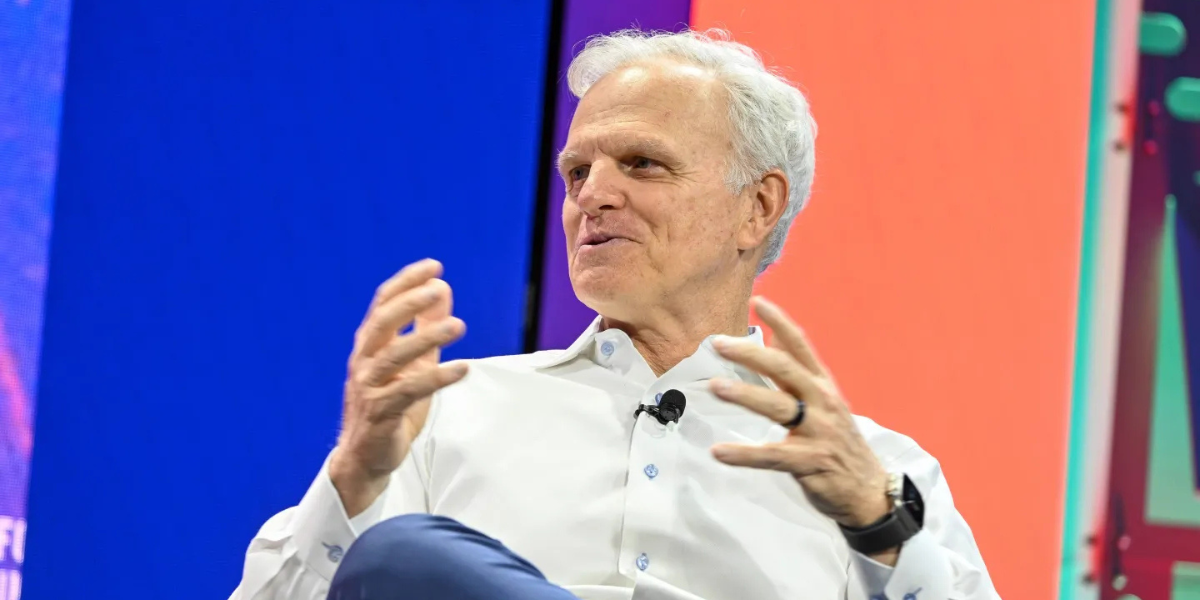
In an interview on All Things Negotiation with Stanford professor Stan Christensen, JetBlue founder David Neeleman shared something that sounds almost too simple to matter:
“You want to get the best deal, absolutely. But if it’s a bad deal for the other party, it’s not going to last.”
That philosophy helped him build not one airline — but five.
Morris Air. JetBlue. WestJet. Azul. Breeze Airways.
In an industry where even one successful airline startup is statistically improbable, Neeleman became the exception. But listening closely to his story, the lesson isn’t just about aviation.
It’s about how entrepreneurs negotiate.
Not merely contracts or valuations.
But trust. Culture. Investor relationships. Customer loyalty. Reputation.
And perhaps most importantly: how founders recover after getting fired from the companies they built.
The Hidden Skill Behind Entrepreneurial Success
Most founders think negotiation is about leverage.
Neeleman thinks it’s about alignment.
That distinction matters.
Throughout the interview, he repeatedly returned to the same underlying principle: every lasting business relationship must feel fair to both sides.
That idea showed up early when Morris Air — the low-cost airline Neeleman built before JetBlue — was acquired by Southwest Airlines.
At the time, some investors tried to block the acquisition. They believed they could make more money by taking the company public instead.
Rather than forcing the issue, Neeleman asked a simple question:
“What exactly do you want?”
The investors had put in $15 million. They wanted $42.5 million back.
Neeleman agreed.
That decision unlocked the sale and ultimately changed his life.
Most founders are taught to squeeze every possible dollar out of negotiations.
Neeleman’s instinct was different.
He understood something many entrepreneurs miss: maximizing the deal is not always the same thing as maximizing the outcome.
Why David Neeleman Was Fired from Southwest — and Why It Mattered
After selling Morris Air, Neeleman joined Southwest Airlines under legendary founder Herb Kelleher.
It lasted six months.
He got fired.
The reason is both hilarious and deeply instructive.
Neeleman described himself as a “bull in a china shop.” He moved too fast, challenged processes openly, and irritated long-time executives by demanding urgency.
At one point, Herb Kelleher reportedly told him:
“You did amazing things here, but you should have taken three years to do it. You did it in five months and made everybody mad.”
For early-stage founders, this tension is familiar.
The traits that help entrepreneurs create momentum often clash with the systems large organizations rely on.
Urgency can look disruptive.
Innovation can look reckless.
Speed can threaten institutional comfort.
But Neeleman’s Southwest experience also became a masterclass in learning.
He absorbed critical lessons about airline economics, aircraft financing, operational efficiency, and customer experience.
Those insights later became the foundation for JetBlue.
JetBlue Worked Because It Stacked Advantages
One of the most revealing moments in the interview came when Neeleman explained why JetBlue succeeded while many airlines struggled.
The answer wasn’t one innovation.
It was layered advantages.
JetBlue had:
- Brand-new planes
- Better financing structures
- Leather seats
- Live television
- Electronic ticketing
- Lower operating costs
- A customer-friendly brand
- A stronger onboard experience
Neeleman called this philosophy:
“Too much overkill is never enough.”
That sentence should be studied by every startup founder.
Too many businesses rely on a single differentiator.
One feature.
One marketing angle.
One growth hack.
But durable companies rarely win because of one thing.
They win because multiple small advantages compound together until competitors can’t keep up.
JetBlue wasn’t merely cheaper.
It felt different.
That emotional distinction mattered.
Especially in an industry customers hated.
The Airbus Negotiation That Changed JetBlue
Another standout story involved Neeleman’s negotiation with Boeing and Airbus.
Originally, he intended to buy Boeing aircraft for JetBlue.
He even entered negotiations with a specific strategy.
His team knew what Southwest Airlines paid for planes. They planned to offer slightly more for a large order and close the deal immediately.
But Boeing assumed JetBlue would never seriously consider Airbus.
That arrogance created leverage.
As Neeleman explored Airbus options — initially as a negotiating tactic — he became genuinely persuaded that Airbus offered the superior aircraft.
Then came the critical founder moment:
He changed his mind.
Many entrepreneurs become emotionally attached to their assumptions.
Neeleman stayed flexible.
That flexibility became a strategic advantage.
By the end of negotiations, Airbus won the deal.
And JetBlue’s entire operational model evolved around those aircraft.
The lesson is subtle but powerful:
The best negotiators aren’t stubborn.
They’re adaptable.
The Real Reason Employees Trusted David Neeleman
One of the strongest themes throughout the conversation was communication.
Neeleman is obsessive about it.
He hosts regular calls with pilots, technicians, and flight attendants.
He visits training sessions personally.
He flies on his own airlines.
He listens constantly.
But what stood out most was his philosophy on trust:
“You have to tell the truth.”
Simple.
Rare.
He explained that employees can ask him anything.
They may not always like the answer.
But they’ll get honesty.
That transparency becomes especially important during crises.
The Valentine’s Day Crisis That Nearly Broke JetBlue
In 2007, JetBlue experienced what became known as the “Valentine’s Day Massacre.”
Severe weather stranded passengers on aircraft for hours.
Operations collapsed.
The airline took a national public relations beating.
Neeleman responded differently than many CEOs would.
Instead of hiding behind PR statements, he went directly into the media.
In one day, he reportedly completed 28 live interviews across New York.
More importantly, JetBlue created a Customer Bill of Rights that clearly defined compensation and accountability for passengers.
That response mattered because it converted failure into trust.
Most companies try to defend themselves during crises.
Neeleman acknowledged the problem publicly.
Entrepreneurs often underestimate how much credibility comes from accountability.
Customers don’t expect perfection.
They expect honesty.
What Founders Can Learn from Getting Fired
Despite JetBlue’s success, Neeleman was eventually removed as CEO.
That experience reshaped how he thought about boards, investors, and governance.
One insight stood out:
Boards only know what management allows them to know.
Founders frequently assume strong results will protect them.
But perception matters just as much as performance.
Neeleman admitted he spent too little time managing board relationships.
He focused on operations while others shaped the narrative.
That’s an important lesson for scaling entrepreneurs.
As companies grow, leadership becomes increasingly political.
Communication upward becomes just as important as execution downward.
Breeze Airways and the Future of Customer Experience
Neeleman’s current company, Breeze Airways, reflects many lessons from his earlier ventures.
Instead of competing directly against major carriers on crowded routes, Breeze focuses on underserved city pairs.
The strategy is remarkably simple:
Fly where customers are ignored.
The airline combines low fares with a noticeably better experience — including premium seating options, extra legroom, and direct flights from secondary cities.
That approach reveals another recurring Neeleman principle:
Convenience is often more valuable than price.
Founders in every industry should pay attention to that.
Customers don’t always choose the cheapest option.
They choose the option that removes friction.
The Hiring Question Every Founder Should Steal
Toward the end of the interview, Neeleman shared one interview question his teams use repeatedly:
“Tell me about a time you did something outside your area of responsibility to help someone else.”
That single question filters for ownership.
For initiative.
For team orientation.
In service businesses especially, those traits matter more than credentials.
Neeleman even recalled rejecting a pilot with 15,000 flight hours because he couldn’t answer the question.
That’s culture discipline.
And it explains why his companies consistently built loyal employee bases.
The Bigger Entrepreneurial Lesson
David Neeleman’s career is remarkable because of the scale.
But the deeper lesson is philosophical.
He built companies by refusing to treat business as purely transactional.
He negotiated for long-term relationships.
He prioritized communication.
He listened obsessively.
He stayed flexible when facts changed.
And even after public failures and firings, he kept building.
That resilience may be the most important entrepreneurial skill of all.
Because in business — much like aviation — turbulence is guaranteed.
The founders who survive are usually the ones who know how to navigate through it without losing the trust of the people flying with them.

Mally Roncal and Sarah Cheung on Virality, Product Innovation, and Building a Beauty Brand for the Long Haul