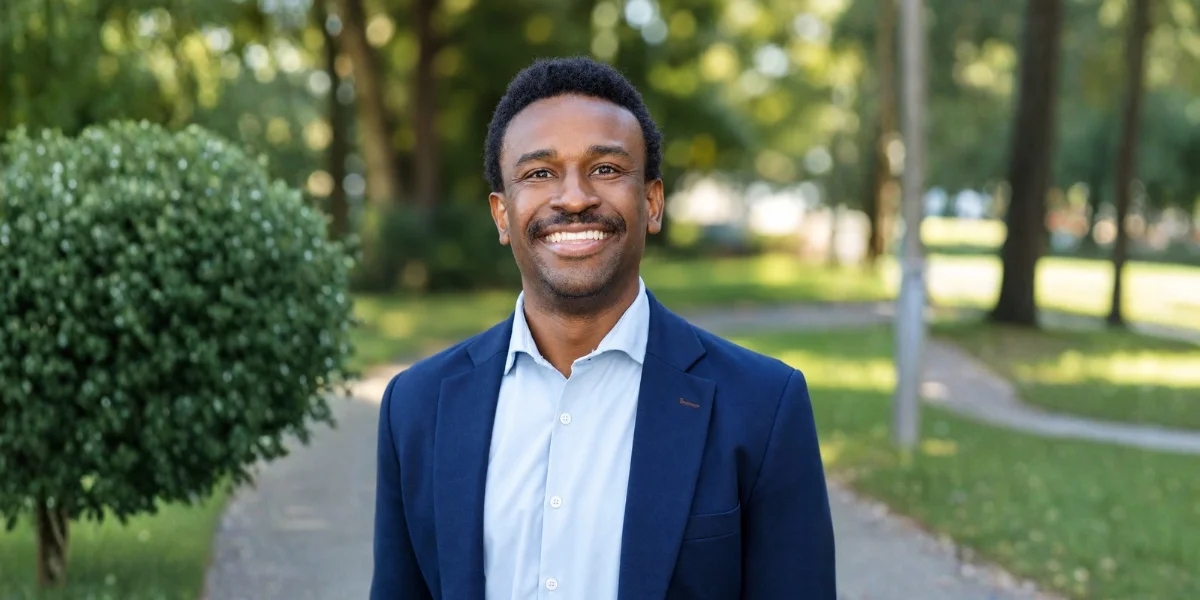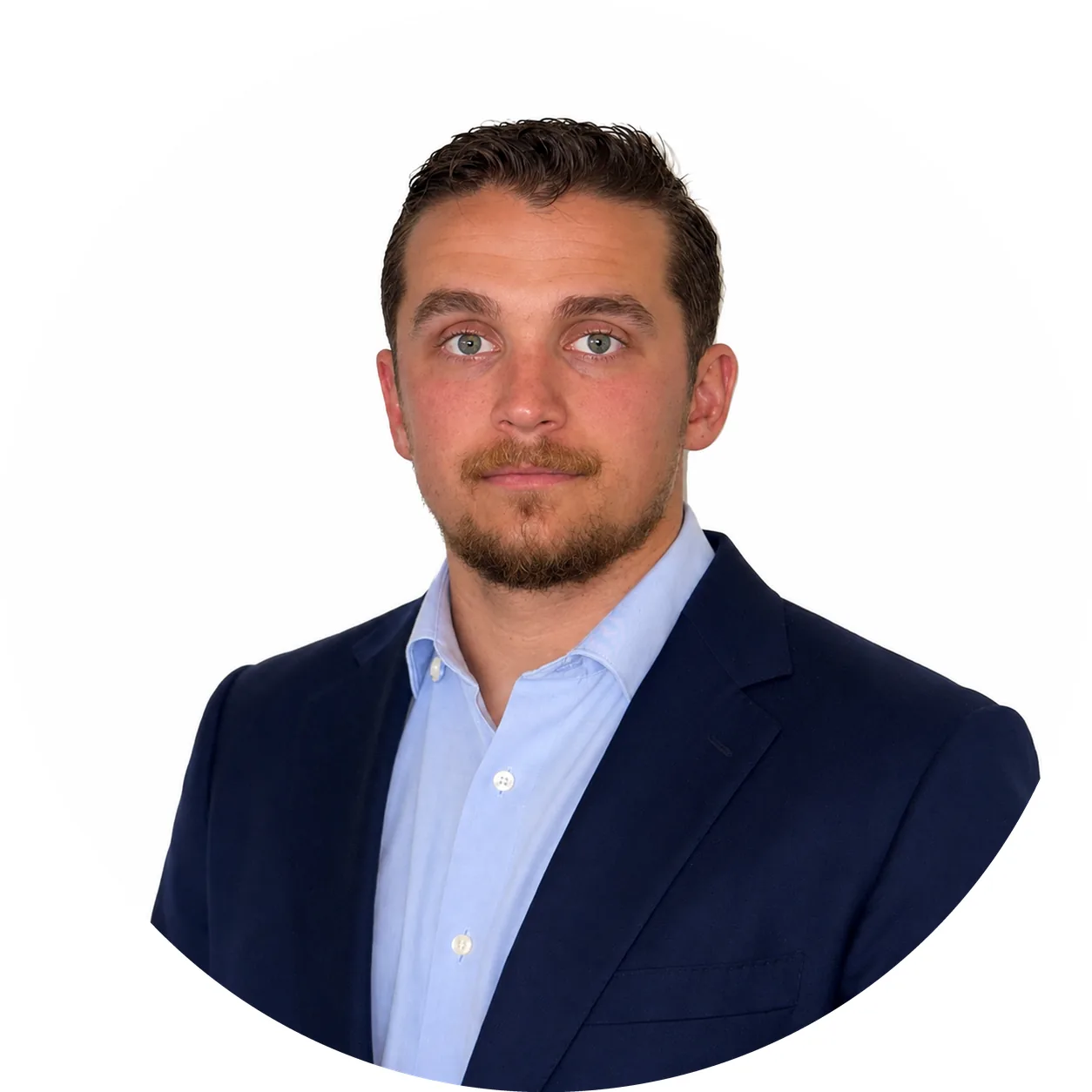
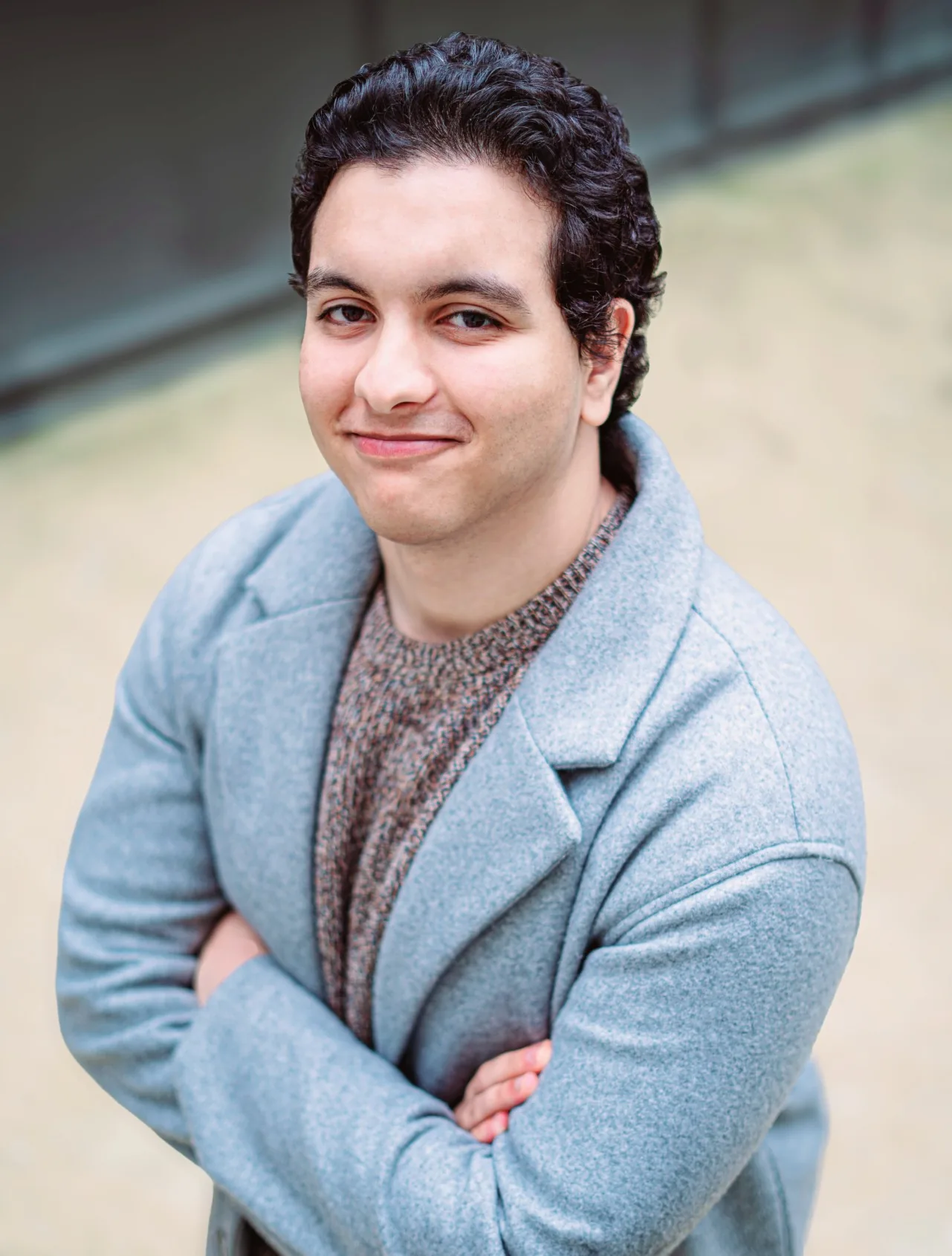
Mouhssine Rifaki's research career in mathematics and machine learning has taken him through France, the UK, Japan and the United States. Wanting to take that research into practical use, he founded Guardal Technologies to work on coordination between autonomous machines, developing decision intelligence for organizations that build and operate these systems in demanding environments, with civilian and defense applications including wildfire response and the protection of critical infrastructure. In this Wantrepreneur to Entrepreneur Spotlight, Mouhssine shares how taking on the commercial side of his company marked his shift into entrepreneurship, why a simple financial model has become one of his most useful tools, and why founders should keep their commitment to building a business separate from their attachment to any particular idea.
Hear the full interview on Wantrepreneur to Entrepreneur.
Hi, Mouhssine! Thanks for joining us today. Tell us about your business. Who do you serve, how do you serve them, and what's the impact that your business and work makes?
I founded Guardal Technologies to work on coordination between autonomous machines. When multiple machines operate in the same environment, each machine's decisions affect the others, and getting them to work together becomes a problem of its own. We develop decision intelligence for organizations that build and operate these systems in demanding environments. Our work has civilian and defense applications, including wildfire response and the protection of critical infrastructure. Our goal is to help machines coordinate under uncertainty while people define the objectives and retain authority over consequential decisions.
Tell us about the moment you finally felt like you went from wantrepreneur to entrepreneur.
The clearest shift came when I accepted responsibility for the commercial side of the company. Research had trained me to explain why something worked, as a founder I also had to show someone why it mattered to them: the problem it addressed and the value of adopting it. Sales became a concrete part of my job, which meant learning the priorities of the people who might use the technology and describing its value in their terms.
Describe the moment or period in your life/career that motivated you to make the entrepreneurial leap.
My background is in mathematics and machine learning, and my research career has taken me through France, the UK, Japan and the United States. Over time I became more interested in taking that research into practical use. I was drawn to the pace and responsibility of building a company and I wanted to pick a problem and build a solution, then find out whether it was useful outside a research setting. That led me to start Guardal, and research is still a central part of how I work.
Describe a tool, service, or software that has been a game-changer for your business. How does it contribute to your success?
For me, a simple financial model has been particularly useful and writing down assumptions about growth and costs makes it easier to see what would have to happen for an idea to become a viable business. With a technical background it's easy to get absorbed in whether something can be built. Also, working through the numbers helps me decide how much time and capital an idea deserves and lets me compare possible directions before committing more engineering effort.
We know that success is very often a non-linear path. Tell us about a failure, pivot point, or lesson that changed your course or direction and helped to get you where you are today.
One important lesson was learning when to stop working on something. As a researcher my instinct was to keep working toward a more complete or elegant solution. But in a business each additional iteration consumes resources that could go to another priority, so I had to get comfortable leaving some technically interesting improvements undone. That changed how I allocate effort, so before another round of development, I ask myself what it'd change for the business and whether that change justifies the cost.
What unconventional strategy did you employ that significantly impacted your business?
I brought a habit from research into the company, which is to give the simplest credible approach a serious chance to succeed. In research I had seen a basic method, executed carefully, outperform more elaborate approaches, and that made me more demanding about establishing a reliable baseline before adding complexity. It also gives me a clearer basis for technical investments and keeps development focused, before taking on an improvement, I want to know which limitation it addresses and whether what it adds is meaningful enough to justify the additional work.
What’s something you wish you knew sooner that you’d give as advice for aspiring or newer entrepreneurs?
The main piece of advice I'd give is to do the basic work properly first. For example, speak with the customer and check the numbers, then follow up and test the assumption you've been treating as settled, I think this work often shows what deserves your attention next. I'd also advise founders to keep their commitment to building a business separate from their attachment to any particular idea, so they act with conviction and still reconsider when the evidence changes.
Want to dive deeper into Mouhssine's work? Check out the links below!
- Hear the full interview on Wantrepreneur to Entrepreneur
- Personal website: mouhssine.rifaki.me
- Stanford webpage: web.stanford.edu/~mrifaki
- Connect with Mouhssine on LinkedIn: linkedin.com/in/rifaki
- Follow Mouhssine on X: x.com/rifaki