Alex Hormozi and Tony Robbins on Success, Happiness, and the Hidden Cost of Achievement
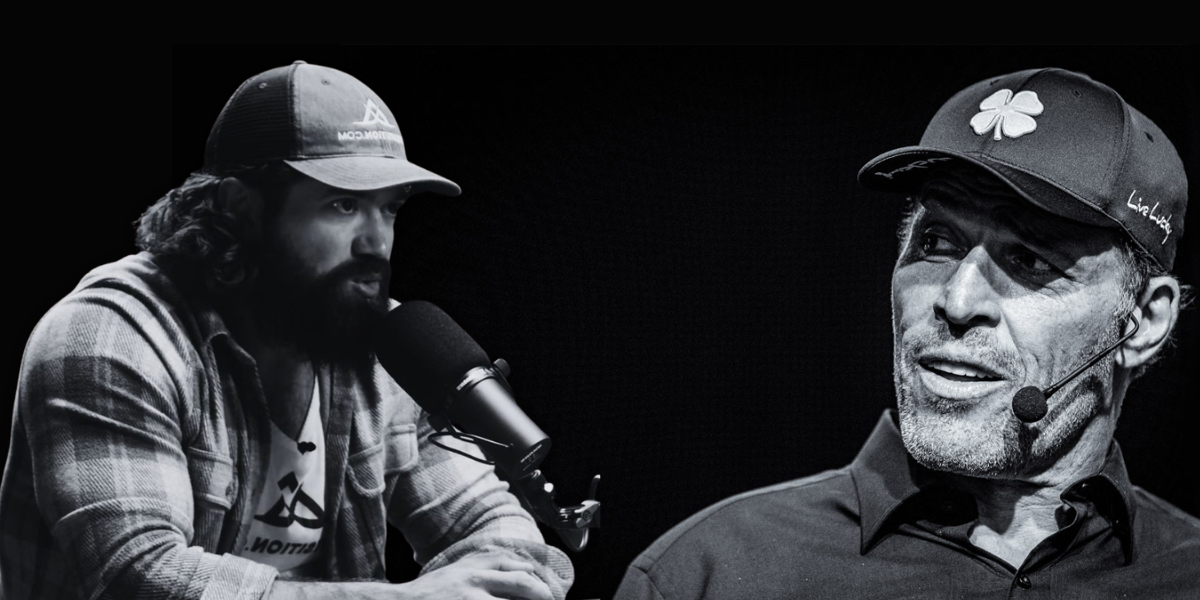
What happens when one of the world’s most successful entrepreneurs admits he doesn’t know how to enjoy the life he built?
That’s the question at the center of a surprisingly vulnerable conversation between Alex Hormozi and Tony Robbins. What began as a business interview quickly evolved into something deeper: a discussion about fulfillment, identity, purpose, and the emotional cost of relentless achievement.
For wantrepreneurs and entrepreneurs alike, this conversation offers a powerful reminder:
The skills that help you win the game are not always the skills that help you enjoy it.
The Entrepreneur’s Dilemma: What Happens After You Win?
Alex Hormozi built his career on discipline, execution, and relentless work ethic.
Like many founders, his early success was fueled by pressure, frustration, and a desire to prove something—to himself and to the world.
But after years of scaling businesses, creating wealth, and helping countless entrepreneurs, he arrived at a difficult realization:
Success had become familiar.
The testimonials that once inspired him no longer produced the same emotional response. The milestones that once seemed impossible became routine.
For many entrepreneurs, this is an uncomfortable truth.
The first sale feels magical.
The first $10,000 month changes everything.
The first million feels life-altering.
But eventually, today's dream becomes tomorrow's baseline.
The problem isn't achievement.
The problem is adaptation.
Tony Robbins: “You’ve Mastered the Science of Achievement”
One of the most important distinctions Robbins makes is between two different life skills:
The Science of Achievement and The Art of Fulfillment.
According to Robbins, Alex had clearly mastered achievement.
He knew how to build systems.
He knew how to make decisions.
He knew how to create results.
But fulfillment operates under a different set of rules.
Achievement is often measurable.
Fulfillment is deeply personal.
Achievement can be engineered.
Fulfillment must be experienced.
Many founders spend decades learning how to build companies while spending almost no time learning how to build a meaningful life.
That imbalance eventually creates tension.
The Dangerous Story Entrepreneurs Tell Themselves
One moment stood out above the rest.
Hormozi shared a personal mantra he adopted in his twenties:
“F*** happiness. I'll be useful.”
At the time, it felt empowering.
Instead of chasing a feeling he couldn't seem to attain, he focused on contribution and usefulness.
For years, that mindset served him.
But Robbins challenged the belief directly.
His argument wasn't that contribution is wrong.
It's that entrepreneurs often become trapped by the stories that once helped them survive.
The identity that got you through your twenties may not be the identity that serves you in your forties.
The mindset that helped you escape poverty may become the mindset that prevents you from enjoying abundance.
As Robbins explained, many successful people unconsciously keep operating from old emotional software long after their circumstances have changed.
Why Language Shapes Your Reality
A recurring theme throughout the conversation was the power of language.
Robbins believes entrepreneurs often hypnotize themselves through the words they repeatedly use.
Words like:
- Duty
- Obligation
- Sacrifice
- Grind
- Suffering
Over time, those words become emotional programming.
Hormozi described much of his work through the lens of duty.
Robbins reframed it as opportunity.
It may seem like semantics.
But Robbins argues that the labels we attach to experiences eventually become the experiences themselves.
If success always equals suffering, you'll unconsciously create suffering.
If contribution becomes joy, your relationship with work changes entirely.
For founders, this is a subtle but powerful lesson:
Pay attention to the stories you're telling yourself.
The Missing Ingredient: Emotional Connection
Perhaps the most insightful part of the conversation came when Hormozi admitted something many entrepreneurs secretly feel:
He had become emotionally disconnected from the impact he was creating.
He was helping people.
He knew he was helping people.
But he wasn't feeling it.
Robbins explained that contribution alone isn't enough.
You must stay connected to the human outcome.
That's why Robbins doesn't simply write checks to causes he cares about.
He immerses himself in them.
Whether feeding hungry families, fighting human trafficking, or funding large-scale humanitarian projects, he intentionally stays close to the people being helped.
Why?
Because emotional connection creates meaning.
Meaning creates energy.
Energy creates fulfillment.
Without that connection, even extraordinary success can feel empty.
The Concept Every Entrepreneur Needs: A “Moonshot”
One of Robbins' strongest recommendations was simple:
Find a moonshot.
Not a revenue goal.
Not a valuation target.
Not another business milestone.
A mission.
Something so meaningful that it reignites curiosity, creativity, and emotional engagement.
For Robbins, it was feeding one billion people.
Later, it became helping provide one hundred billion meals globally.
The specific goal matters less than the emotional pull behind it.
A true moonshot should:
- Feel larger than yourself
- Require personal growth
- Create impact at scale
- Excite you enough to wake up thinking about it
According to Robbins, many entrepreneurs lose energy because they're managing instead of creating.
A moonshot restores that sense of adventure.
The Most Powerful Moment in the Conversation
Near the end, Hormozi reflected on the moment he first accumulated $100,000.
Not because of the money itself.
Because it represented freedom.
For the first time, survival was no longer the primary concern.
That experience led him to a compelling idea:
What if he could help 100,000 young men achieve their first $100,000?
Not just as a financial milestone.
But as an identity shift.
A transformation from scarcity to possibility.
For the first time in the conversation, you could hear genuine excitement.
Not obligation.
Not duty.
Possibility.
And that's exactly what Robbins had been pushing him toward all along.
The Entrepreneurial Lesson
Most founders believe success will solve their fulfillment problem.
The reality is more complicated.
Success amplifies who you already are.
If you haven't developed the skills of meaning, connection, gratitude, and purpose, no amount of money will magically create them.
As Tony Robbins suggested, many entrepreneurs spend years mastering achievement while neglecting fulfillment.
The next level isn't always a bigger business.
Sometimes it's a bigger reason.
And for founders who have already climbed one mountain, the challenge isn't getting to the top.
It's finding a mountain worth climbing next.
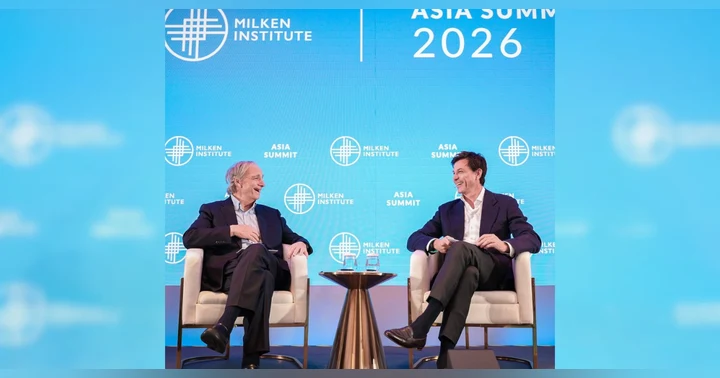
The Hidden Cost of Winning: What Ray Dalio and Toto Wolff Teach Us About Leadership, Failure, and Success