Coachstack’s Secret Weapon: How AI Became Peter Gustafson’s Co-Founder
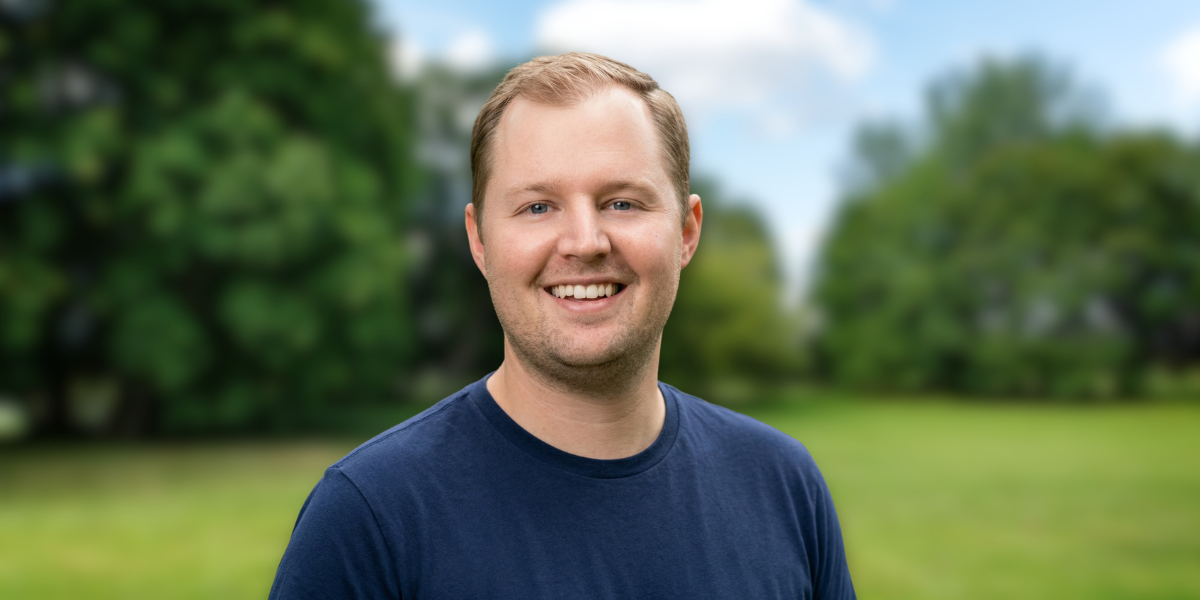
Peter Gustafson's journey from wantrepreneur to entrepreneur unfolded on a pivotal Saturday morning in 2024, when inspiration struck after being laid off from a climate tech startup. In this Wantrepreneur to Entrepreneur Spotlight, Peter shares how he transformed a frustrating patchwork of tools into Coachstack, an all-in-one coaching platform. By focusing on deep customer research and leveraging AI, he pivoted from a DIY SaaS model to a premium done-for-you service, helping coaches launch with a polished presence. Peter’s story exemplifies the power of listening and bold action—turning dreams into tangible impact.
Hi, Peter! Thanks for joining us today. Tell us about your business. Who do you serve, how do you serve them, and what's the impact that your business and work makes?
I'm the founder of Coachstack, an all-in-one coaching business platform paired with a done-for-you build service called The Signature Build. We serve accomplished professionals transitioning into coaching and established coaches who are tired of duct-taping together Squarespace, Calendly, Mailchimp, Square, Zoom, DocuSign, and Google Drive just to run their business. Through The Signature Build, we handle everything for them in 45 days: brand system, custom website, lead magnet and email automation, LinkedIn profile optimization, their first paid client acquisition campaign with ad spend included, and full platform setup with scheduling, CRM, payments, client portal, video, and AI-enhanced session notes all in one place. The impact is that coaches get to skip the months (or years) of tech frustration and trial-and-error and instead launch with the kind of polished, professional presence and growth system that attracts premium clients from day one. Our goal is to let coaches focus on what they do best, which is transforming lives, while we handle the systems and infrastructure behind the scenes.
Tell us about the moment you finally felt like you went from wantrepreneur to entrepreneur.
It happened on a Saturday morning in early 2024. I had just been laid off from a climate tech startup called nZero where I was leading the Customer Success team. I had been working with an executive coach at the time and had this growing frustration with how many disconnected tools she was using to run her practice. The idea had been simmering for weeks. Then one Saturday morning I woke up from a dream where the entire concept had come together. The name, the vision, the initial framework. I grabbed my phone and wrote everything down before I could lose it. That was the moment it stopped being a "what if" and became a "this is happening." I went from reading about entrepreneurship to actually building something that same day.
Describe the moment or period in your life/career that motivated you to make the entrepreneurial leap.
Two things converged at once. First, I had been reading the book "Ikigai" and doing a lot of reflection on what kind of work sits at the intersection of what I love, what I'm good at, what the world needs, and what I can be paid for. Second, an executive coach reached out to congratulate me on a promotion at the climate tech startup where I was working, and we started a coaching engagement. Through that work I realized I was ready to build something of my own. I had spent over a decade in B2B SaaS across customer success, product, and solutions engineering at companies like nZero, The Washington Post, and the American Medical Association. The first startup I worked at after college had built an integrated platform for service-based businesses like CrossFit gyms and yoga studios, so I had already seen firsthand how powerful it is to replace a patchwork of tools with one cohesive system. I had the skills. I just needed the push. Getting laid off a few weeks into the coaching engagement was the universe giving me that push. Instead of jumping back into the job market, I went all in on the idea that had been forming since the first session with my coach.
Describe a tool, service, or software that has been a game-changer for your business. How does it contribute to your success?
Claude by Anthropic has been the single biggest game-changer for Coachstack. As a bootstrapped solo founder, I don't have a marketing team, a design team, or a full engineering staff. Claude (and specifically Claude Code, their command-line coding tool) has allowed me to build and maintain multiple production websites, write marketing copy, develop strategy, and think through complex business decisions at a pace that would normally require a team of five or six people. I built the entire Coachstack marketing website using Claude Code. I use Claude as a strategic thought partner for everything from pricing decisions to competitive positioning to mapping out our paid acquisition strategy for clients. For solo founders especially, having an AI that can operate as a co-founder-level thinking partner and a senior developer at the same time is a genuine superpower. It has fundamentally changed what's possible for a one-person company.
We know that success is very often a non-linear path. Tell us about a failure, pivot point, or lesson that changed your course or direction and helped to get you where you are today.
I originally envisioned Coachstack as a $20-30/month self-serve SaaS platform. I spent almost two years building the product, conducting 30+ coach interviews, and logging 200+ hours of market research. Then I read Alex Hormozi's "$100M Offers" and had an uncomfortable realization: I was building something that would be incredibly hard to sell at that price point and nearly impossible to differentiate from the dozens of existing platforms. The pivot was painful but clarifying. I repositioned from a low-cost DIY tool to a premium done-for-you service. That shift changed everything. Instead of competing on features with Kajabi and Teachable, I was now solving the real problem coaches actually have: they don't want another tool to figure out, they want someone to build the whole thing for them, including their website, their lead generation system, and even their first paid advertising campaign. The lesson was that the best product isn't always the one with the most features. Sometimes it's the one that removes the most friction.
What unconventional strategy did you employ that significantly impacted your business?
Before I wrote a single line of code or designed a single page, I interviewed over 30 coaches. Not surveys. Not quick calls. Real, in-depth conversations about how they run their businesses, where they get stuck, and what keeps them up at night. I logged over 200 hours of market research before I built anything. Most founders in the tech space start with the product and hope customers show up. I did the opposite. I started with the customers and let them tell me what to build. That research is the reason every feature in The Signature Build exists. It's not based on what I thought coaches needed. It's based on what they told me, sometimes word for word. One coach said "marketing is not in my wheelhouse, I would like to pay someone to do this for me." Another told me "my leads dried up, I've only been marketing on LinkedIn and I have no idea where to start." Those two quotes alone shaped our entire done-for-you positioning and our decision to include a paid client acquisition campaign in every build. When you build from real conversations instead of assumptions, you skip the expensive guessing game that kills most startups.
What’s something you wish you knew sooner that you’d give as advice for aspiring or newer entrepreneurs?
Just get started. I know that sounds simple, but I mean it. I spent years thinking about starting a company. Reading books about it. Taking MBA courses about it. Studying frameworks and business models. All of that was valuable, but none of it actually mattered until I took the first step. The morning the idea for Coachstack came to me, I didn't have a business plan. I didn't have funding. I didn't have a co-founder or a technical team. I had a notebook and a gut feeling that I was onto something real. So I started writing it down and making calls. That was it. The truth is you will never feel fully ready. There will always be another book to read, another course to take, another reason to wait. The entrepreneurs I admire most aren't the ones who had it all figured out before they launched. They're the ones who started before they were ready and figured it out along the way. If you have an idea that won't leave you alone, stop researching and start doing. You'll learn more in your first month of building than you will in a year of planning.
Want to dive deeper into Peter's work? Check out the links below!
- Visit Coachstack's website: coachstackhq.com/
- Visit The Coaching Flywheel's website: coachingflywheel.com/
- Visit Solo Founder Coach's website: solofoundercoach.com/
- Visit Start Coaching Online's website: startcoachingonline.com/
- Connect with Peter Gustafson on LinkedIn: Peter Gustafson
The Companies That Survive AI Won’t Use It Better… They’ll Be Designed Differently