David Beckham’s 4-Year Comeback: How Pressure, Silence, and Discipline Shape Greatness

In an interview with Adam Grant at the World Economic Forum in Davos, David Beckham didn’t just reflect on football—he unpacked something far more relevant to founders: what it feels like to fail publicly, carry doubt for years, and rebuild anyway.
For early-stage entrepreneurs, Beckham’s story isn’t about sport. It’s about identity under pressure, reputation collapse, and the long, quiet road back.
The Moment That Broke Everything
In 1998, Beckham was 21 years old—young, talented, and on the world’s biggest stage: the World Cup.
Then came the moment.
A split-second reaction. A retaliatory kick. A red card.
England lost. And Beckham became the villain.
“I got probably three or four years of abuse.”
For founders, this is the equivalent of:
- A failed launch
- A public PR disaster
- A high-stakes decision that backfires
The kind of moment where your reputation collapses faster than your strategy can recover.
What’s striking isn’t the mistake—it’s what followed.
Four Years of Doubt (and Showing Up Anyway)
Beckham didn’t bounce back in months. It took four years.
Four years of:
- Booing crowds
- Media criticism
- Internal doubt
“I had that intense feeling for probably four years… I was 21.”
Most startup advice glorifies resilience as something immediate—“fail fast, move on.”
Reality looks different.
Sometimes, you don’t “move on.”
You carry it with you while still performing.
Beckham describes stepping onto the field knowing:
“98% of the stadium was booing me.”
And still, he had to deliver.
That’s the entrepreneurial equivalent of:
- Pitching after rejection
- Selling while doubting your product
- Leading a team when your confidence is shaky
His Strategy Was Surprisingly Simple
No rebranding campaign.
No public defense tour.
No attempt to “win the narrative.”
Instead:
“The best thing I did was I went silent. I worked harder.”
This is counterintuitive in today’s world, where founders are told to:
- Control the story
- Stay visible
- Constantly explain themselves
Beckham did the opposite.
He chose:
- Silence over reaction
- Execution over explanation
- Consistency over redemption theatrics
There’s a lesson here:
Not every failure needs a response. Some need results.
Pressure Wasn’t the Enemy—It Was the Edge
One of the most revealing lines from the conversation:
“The more the pressure, the better I seem to perform.”
Most people try to reduce pressure.
Beckham leaned into it.
Why?
Because pressure amplifies your default behavior:
- If you’re unprepared → you crack
- If you’re trained → you execute
For founders, this translates directly:
- Investor meetings
- Product launches
- Crisis decisions
Pressure doesn’t create performance.
It reveals it.
The Turning Point: One Moment of Redemption
After years of criticism, Beckham got his moment.
A free kick. Final minutes. England needed a goal.
He scored.
“That was the moment where everything changed… people forgave me.”
What’s important isn’t just the goal.
It’s what preceded it:
- Years of unseen work
- Consistent performance
- Emotional restraint
The “comeback moment” everyone celebrates?
It’s usually built on invisible discipline.
Leadership Found Him—He Didn’t Chase It
Beckham never saw himself as a leader.
“I was quiet… I wasn’t very good at shouting at people.”
Yet he became England captain.
Not because he changed his personality—but because he doubled down on his strengths.
His leadership style:
- Show up early
- Work harder than everyone
- Lead by example
This matters for founders who feel they don’t fit the “loud, charismatic CEO” mold.
Leadership isn’t one style.
Sometimes, it’s:
- Consistency
- Discipline
- Quiet credibility
The Role of Environment (and Why It Matters)
Beckham repeatedly credits the people around him:
- His family
- His teammates
- Sir Alex Ferguson
“Without that support… I wouldn’t have got through that difficult time.”
For entrepreneurs, this is a critical—and often overlooked—point.
Resilience isn’t just internal.
It’s environmental.
Who you surround yourself with determines:
- How you process failure
- Whether you persist
- How quickly you recover
The Unexpected Lesson: Silence Is a Strategy
One of the most powerful takeaways comes from a simple line someone told him:
“The hardest thing is to say nothing.”
In a world obsessed with प्रतिक्रिया (reaction), this is rare advice.
For founders, silence can be:
- Strategic (don’t fuel noise)
- Emotional (avoid reactive decisions)
- Tactical (focus on building instead of defending)
Sometimes, the best move isn’t to respond.
It’s to outwork the narrative.
What Entrepreneurs Can Take From Beckham
This isn’t just a sports story. It’s a blueprint.
1. Failure Can Define You—Temporarily
Public mistakes sting. But they don’t have to be permanent.
2. Redemption Takes Longer Than You Expect
Not weeks. Not months. Sometimes years.
3. Work Is the Only Reliable Comeback Strategy
Not PR. Not storytelling. Execution.
4. Pressure Is a Multiplier
Train for it. Don’t avoid it.
5. You Don’t Need to Be Loud to Lead
Consistency builds authority more than charisma.
Final Thought
Beckham didn’t just recover from failure.
He absorbed it, carried it, and let it reshape him.
“It’s not about what happens in that moment. It’s about how you react after.”
That’s the real lesson for founders.
Because in entrepreneurship, you don’t get to avoid the red card moment.
You just decide what kind of player—and leader—you become after it.
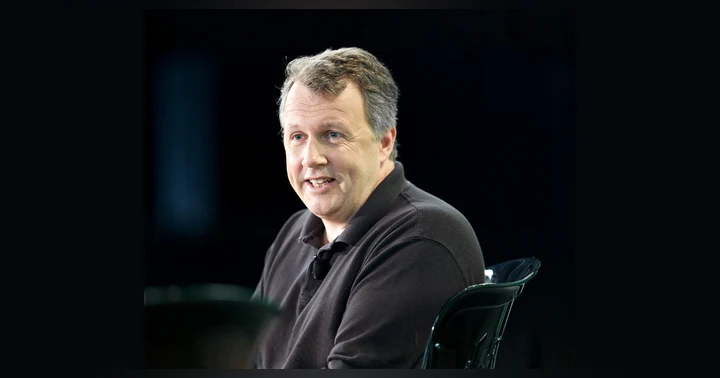
Paul Graham’s Startup Advice for the AI Era: Ship Fast, Stay Ambitious, Get What You Want