From Teenage Party Promoter to Tech Titan: Jürgen Ingels’ 50 Lessons on Building a Business That Lasts
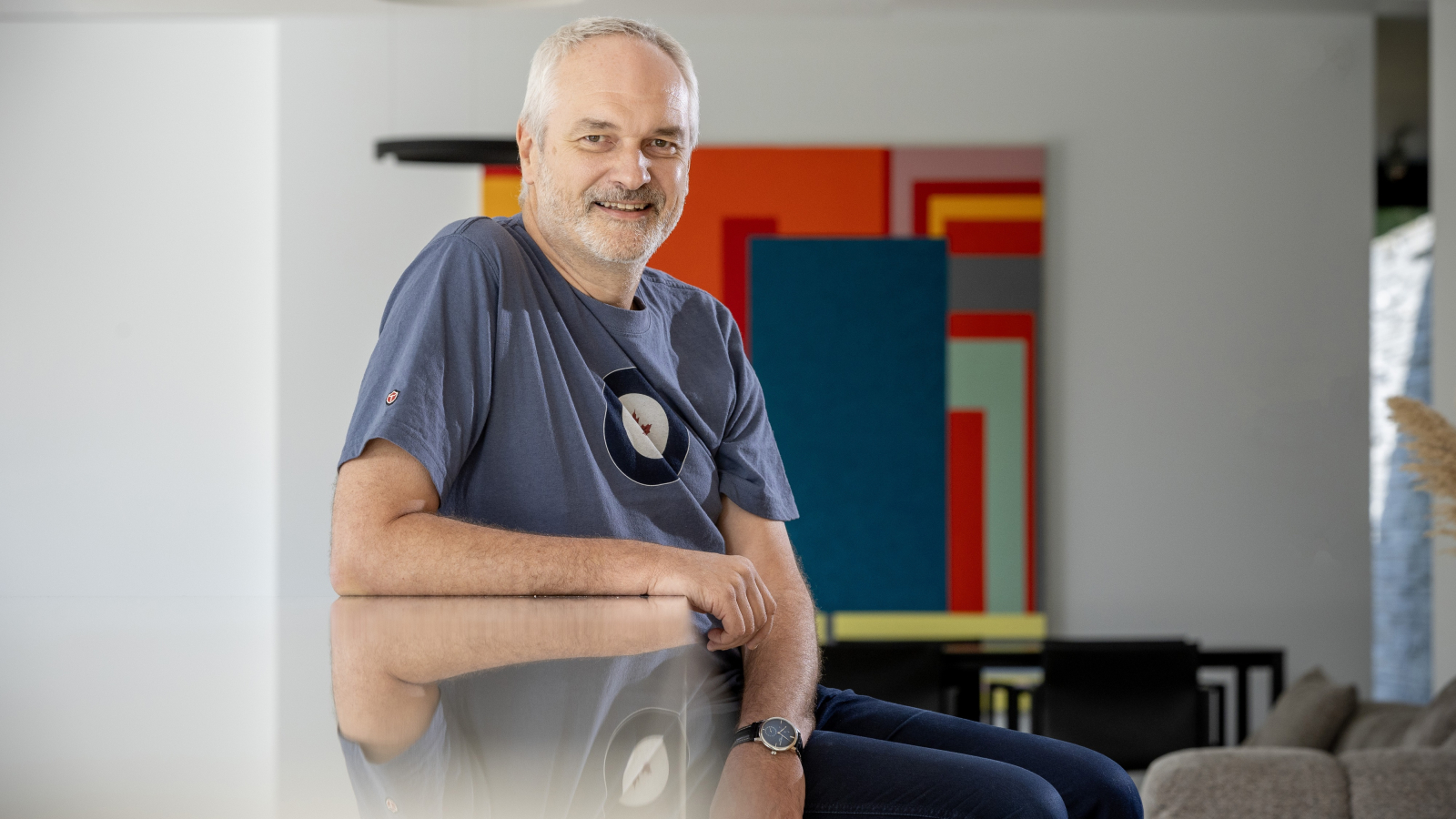
In a conversation on The Oprah Podcast, Oprah Winfrey sat down with Belgian tech pioneer and venture capitalist Jürgen Ingels, founder of Clear2Pay and author of Start, Grow, Sell: 50 Tips for Entrepreneurial Greatness .
What unfolded wasn’t just a business masterclass. It was a blueprint for anyone standing at the edge of an idea, wondering whether to leap.
Because Ingels’ story doesn’t begin in a boardroom.
It begins with a curfew.
The Entrepreneurial Spark: Turning Restrictions Into Opportunity
At 16 years old, Ingels had a strict father and a midnight curfew. The party started at 11. The rule was non-negotiable.
So he negotiated differently.
“If I organize the party, can I stay longer?”
His father agreed.
That workaround became a business. He began organizing events for 100 people. Then 200. Then weekly. Then across cities.
The insight here is subtle but powerful:
Entrepreneurs don’t break the rules. They redesign the system.
The same teenager who created parties to bypass a curfew would eventually create Supernova, one of Europe’s largest innovation conferences. The through line? Event-building as a vehicle for connection and momentum.
Oprah highlighted something many founders miss:
Nothing you’ve ever done is lost.
The skills you’re building now — even in scrappy, imperfect ways — may be rehearsal for something much bigger.
Avoid “Sterile Mediocrity”
One of Ingels’ most provocative ideas is his warning against what he calls “sterile mediocrity.”
Most of us were taught to fix our weaknesses.
If you get three A’s and one D, parents focus on the D.
But Ingels argues that in a global economy, average isn’t enough. If you spend your life trying to turn your D into a C, your A’s often slip into B’s.
His advice:
- Identify your true strengths.
- Double down.
- Build teams that complement what you lack.
For wantrepreneurs, this is liberating.
You don’t need to be good at everything.
You need to be exceptional at something — and self-aware enough to hire around the rest.
Curiosity Built a $Clear2Pay Exit
Clear2Pay wasn’t born from a grand master plan.
It began with a question.
While working in banking, Ingels noticed international money transfers were slow and expensive. When he asked why, the answer was vague: “It’s somewhere in the financial system.”
That wasn’t good enough.
His relentless curiosity — “Why is that so?” — led him to identify inefficiencies in payment infrastructure. That curiosity turned into a fintech company that scaled globally and was ultimately sold to FIS in 2014 .
For founders, here’s the takeaway:
Don’t start with disruption. Start with frustration.
If something makes you ask “Why is this so broken?” — you may be staring at your next business.
The Power of the Extra Mile (Literally)
One of the most tactical gems from Start, Grow, Sell is Ingels’ “Power of the Extra Mile” formula.
He works three hours every Saturday morning.
Three hours a week equals roughly 20 extra working days per year.
That’s nearly an additional month of productivity.
It’s not hustle culture. It’s compounding.
If you:
- Spend 3 focused hours weekly learning sales,
- Refining your pitch deck,
- Studying your cash flow,
- Or building strategic relationships,
You’ve created a “13th month” in your year.
Over five years? That’s nearly half a year of additional focused effort.
Entrepreneurship rewards marginal gains.
The Mistakes That Sink Founders
Ingels is brutally honest about the most common startup failures:
1. Choosing the Wrong Team
Don’t hire “good enough.”
Don’t co-found with someone just because they’re your friend.
Early team decisions echo for years.
2. Underestimating Time and Cost
Add:
- 30% more cost
- Two extra quarters of delay
Optimism is an asset. Financial delusion is not.
Companies don’t go bankrupt because of ideas.
They go bankrupt because of cash flow.
Ingels reviews cash weekly. Every Monday. No exceptions.
Passion Is Not Optional
Ingels writes:
“Passion is far and away the most crucial characteristic… If you don’t have this passion, there isn’t really much point in trying to become an entrepreneur.”
That may sound harsh.
But here’s what he means: entrepreneurship is nonlinear. You will face crisis. Delays. Rejection. Burnout.
Without internal fire, the friction wins.
Passion is not hype.
It’s endurance fuel.
Why 45 May Be the Best Time to Start
Contrary to Silicon Valley mythology, Ingels points to research suggesting the most successful founders often start around 45 years old .
Why?
- Network depth
- Industry experience
- Pattern recognition
- Access to trusted advisors
Young founders have energy.
Seasoned founders have leverage.
For mid-career professionals hesitating to start?
You may be more prepared than you think.
Crisis Will Come. Prepare Anyway.
During the 2008 financial crisis, Clear2Pay’s banking clients couldn’t pay invoices. Ingels describes sleepless nights, injecting personal funds, and watching his hair turn gray .
His biggest lesson:
Expect the unexpected.
Maintain:
- Six months of operating liquidity.
- Clear oversight of every invoice.
- Direct involvement in financial review.
As Oprah noted, there’s a price to being you.
Know what it costs to run your life — and your company.
The Question That Builds Better Teams
When employees asked for resources, Ingels had one response:
“Why?”
At first, it annoyed people.
Eventually, it trained them to think before requesting.
Oprah reframed it as intention.
What’s the intention behind the ask?
This is leadership discipline.
Clarity improves execution.
Execution compounds results.
Shoot for the Moon — But With Systems
Ingels founded Supernova, a European innovation summit, with a bold directive: Shoot for the moon .
But ambition alone isn’t enough.
To scale, founders must manage:
- Cash
- Culture
- Systems
- Hiring discipline
Big dreams require operational muscle.
The Wantrepreneur’s Reflection
What makes this conversation powerful isn’t the exit.
It’s the pattern.
- A strict curfew → event entrepreneurship
- Curiosity about slow banking → fintech innovation
- A liquidity crisis → disciplined financial management
- Success → reinvestment into other founders
Entrepreneurship is rarely one grand leap.
It’s accumulated decisions, compounded discipline, and sustained passion.
If you’re standing at the beginning — with an idea, a frustration, or a quiet internal fire — remember:
You don’t need perfect conditions.
You need conviction, curiosity, and a willingness to go the extra mile.
And maybe, just maybe, three extra hours on Saturday.
Eugenia Kuyda Didn’t Wait for a Co-Founder, She Built Replika Anyway