How Jesse Itzler Turned Couch Surfing, Jingles, and Rejection Into a $5 Billion Empire
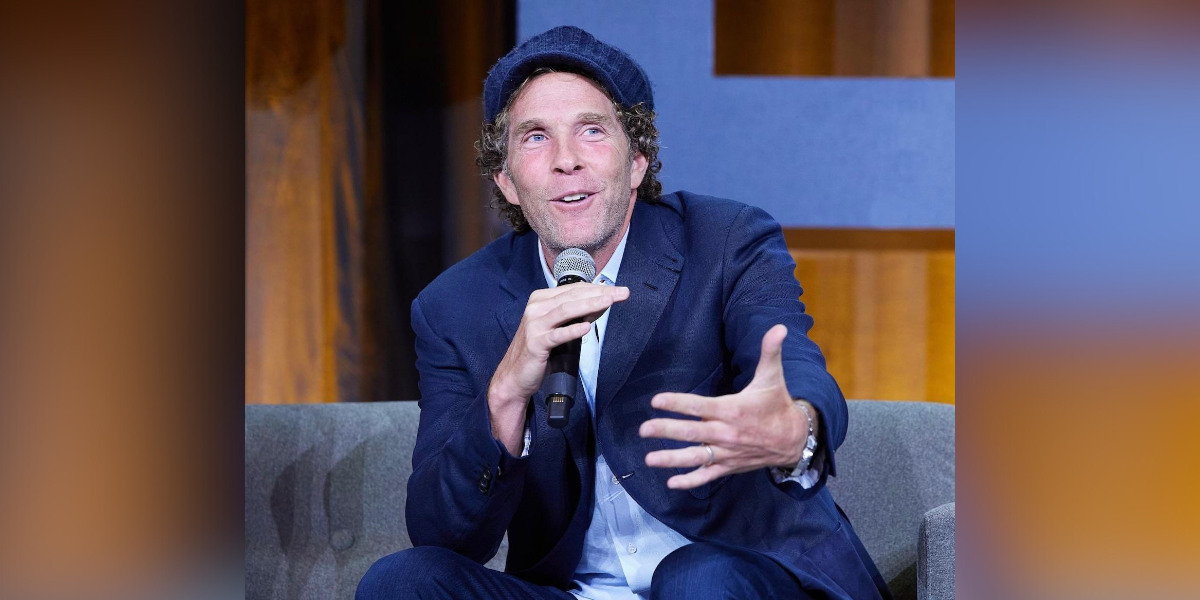
“Three strikes and you're not out. Three strikes and you're learning and rolling.” — Jesse Itzler
Long before Jesse Itzler co-founded Marquee Jet and sold it to Warren Buffett’s NetJets, he was living on couches, cold-calling sports teams with homemade jingles, and nearly sold 10% of his lifetime earnings for $10,000 just to stay afloat.
In a revealing episode of In Search of Excellence with host Randall Kaplan, Itzler opens up about his journey from jingle-writer to multi-exit entrepreneur—and how the only thing more powerful than a business plan is belief in yourself.
Itzler's story is a masterclass in raw hustle, scrappiness, and unwavering self-belief — a blueprint for entrepreneurs who feel like they’re winging it. Because, as Jesse proves, winging it with relentless drive can sometimes outpace the best-laid plans.
Born with Energy, Built Through Action
Raised on Long Island, Jesse credits his parents with a foundational gift: freedom to figure things out. “They didn’t overschedule me. I had time to be bored, to daydream, to create,” he says. His father didn’t teach hard work—he lived it, working six and a half days a week while still showing up for Jesse’s games and events.
This environment planted the seeds for Jesse’s creative restlessness. But it was his personality that became his secret weapon.
“I was the business plan,” he laughs. His charisma, storytelling ability, and ability to get people to “buy into Jesse” became the engine of every early venture.
From Jingles to Jets: Betting on Himself
In his twenties, Jesse dove headfirst into music — not because he had connections (he didn’t), but because he believed he could figure it out.
Armed with nothing but a demo tape and a hustle-heavy attitude, he pretended to be friends with rapper Dana Dane to land a meeting at Delicious Vinyl. They expected a star. Instead, they got Jesse. He left the meeting with a record deal.
That same boldness powered his early jingle business. Jesse would write custom commercials for sports teams on spec—out of pocket—and hustle his way into meetings to pitch them. It was risky, unsustainable, and... it worked. Eventually, he sold his first company for over $1 million after taxes.
But what followed was a string of flops. T-shirt lines, door-to-door shrimp sales, carrot-and-celery snack packs—failures that would crush most entrepreneurs.
Jesse saw it differently.
“Those failures didn’t sting. I was trying things. I was living. And I knew I was going to hit eventually.”
His resilience came from a deep belief: entrepreneurship isn’t baseball. You don’t strike out after three tries.
The $10,000 Lesson That Saved Millions
At one point, Jesse nearly sold 10% of his future income to raise $10,000 for studio time. A friend’s father stopped him with one question:
“Will you make this work without the money?”
That shift—from “can” to “will”—became a defining moment. Jesse decided he would. He went on to build a catalog of jingles that generated millions.
This clarity—around commitment, belief, and self-reliance—underscores one of Jesse’s biggest pieces of advice for new entrepreneurs:
Don’t give away equity unless you deeply understand the implications.
There are other ways to reward people—profit sharing, phantom equity, and bonuses. Equity comes with baggage. “It’s not just money. It’s communication, legal exposure, expectations. And most people don’t calculate that.”
From a Sweet 16 to a $5B Business
One of the most extraordinary turns in Jesse’s journey came when he co-founded Marquee Jet. He had no planes. No airline experience. Just an idea: a private jet card that offered fractional flying without ownership.
To make it happen, he needed access to the NetJets fleet. He leveraged a favor—he once got someone’s daughter on stage with Christina Aguilera at her Sweet 16—to land a meeting with Jim Jacobs, president of NetJets.
The first pitch flopped. But Jim gave him one more shot.
For the second meeting, Jesse didn’t bring a PowerPoint. He brought an entourage—Run DMC, Carl Banks, and other influential figures—to be the focus group and tell NetJets exactly why this idea would work.
They left the meeting with a deal. Ten years later, Marquee Jet had generated over $5 billion in sales.
“You’ve got to bring your pitch to life. Be memorable. Be undeniable.”
What Wantrepreneurs Should Take Away
Jesse’s story isn't about luck or genius. It’s about action, access, and attitude.
Key lessons for aspiring founders:
Bet on yourself before betting on outside capital.
The first dollars matter—but ownership matters more.
The goal isn’t to win every time.
It’s to keep swinging. Jesse’s metaphor: “Three strikes and you’re learning, not out.”
Make people believe in you.
In early stages, people invest in people. Become the business plan.
Be resourceful with access.
Jesse’s best deals came from bold asks, favors, and creative problem solving—not resumes or pitch decks.
Final Word
Whether you're on your seventh failed idea or still on the fence about launching your first, Jesse Itzler's journey is proof: persistence beats pedigree, and energy beats experience.
You don’t need to see the full staircase. You just need to believe in your ability to climb.
Tim Ferriss on Escaping the Self-Help Trap: Why You Need to “Play Soccer,” Not Just Study It