How Tom Hale Scaled ŌURA from Wearable Ring to Health-Tech Powerhouse
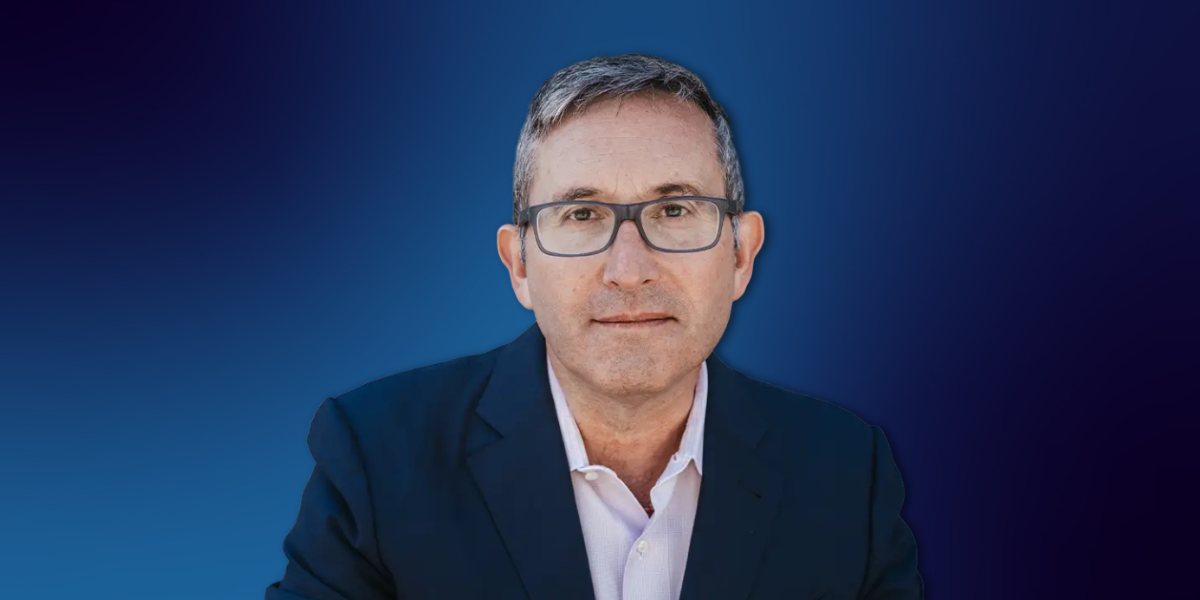
“I think you guys really need to hire me. I love this product. It’s changed my life.”
When Tom Hale, a lifelong software executive with zero hardware experience, sent a bold, unsolicited letter to ŌURA's board, he wasn’t just gunning for the CEO seat — he was making a bet on the future of health, data, and human behavior.
In a revealing interview on Masters of Scale, hosted by Jeff Berman, Hale shared how his personal sleep crisis led him to discover ŌURA and how he then went on to scale the company from a niche wearable brand to a global health-tech leader.
Fast forward to today: under Hale’s leadership, ŌURA Ring sales have more than doubled to 2.5 million units. The company has transformed from a cult-favorite sleep tracker into a global health platform redefining preventive care, all with a sleek, silent ring.
So how did a software veteran rewire a hardware business for scale? And what can entrepreneurs learn from his journey?
🧠 From Burnout to Breakthrough: The Founder-Fan Origin Story
Before ŌURA, Hale had just sold SurveyMonkey (Momentive) to Zendesk — a deal that ultimately unraveled. The stress, combined with family challenges, triggered something he’d never experienced before: insomnia.
“I’m a championship sleeper. I could fall asleep in five seconds and stay asleep for 12 hours. But suddenly, I couldn’t sleep at all,” he recalls.
That personal health crisis led him to discover the ŌURA Ring. Within weeks, he learned how late meals, caffeine, and evening workouts sabotaged his sleep. But more than data, the device gave him agency.
“It was like I’d been living in a black and white movie,” he said. “And suddenly I walked into a 4K Technicolor world.”
That awakening became the foundation of his leadership vision: a health platform that empowers people to become CEOs of their own wellbeing.
Not Just a Ring — A Software & Data Platform in Disguise
ŌURA Ring doesn’t beep, buzz, or display notifications. Its magic lies in what happens after it silently collects biometric data: your heart rate variability, body temperature, sleep cycles, and more.
“It’s a software and data problem at its core,” Hale insisted in his pitch to the board. The opportunity wasn’t just wearables, it was personalized health insights at scale, powered by AI.
That’s why Hale reframed ŌURA’s product from a gadget to a subscription-based health coach. Today, users get daily scores for sleep, activity, and readiness, plus real-time insights, an AI “Advisor,” and experiment protocols to isolate behavior impacts (like cutting caffeine).
Insight + behavior change = transformation.
🚀 Scaling Through Trust, Not Just Tech
When Hale officially took the reins in 2022, the company had just introduced a controversial $6/month subscription model — and users were upset. Rather than hide behind a PR team, he wrote a transparent blog post explaining the rationale and long-term value.
“I think this is a classic lesson,” he shared. “You’ve got to engage with customers directly — especially in early-stage businesses. The people who evangelize you feel like they own you. And in some ways, they kind of do.”
He also quickly zeroed in on three underleveraged growth levers:
- Women – They retain better and connect more deeply with the product’s aesthetic and functionality.
- Retail – A surprising partnership with Gucci saw luxury-priced rings ($1,000+) fly off shelves, proving wearables could be fashion.
- HSA/FSA Integration – Making the ring eligible for health spending accounts dramatically expanded accessibility.
Then came platform thinking. Instead of seeing ŌURA as a closed device, Hale opened APIs to partners like Natural Cycles, Strava, and Chronometer, letting ŌURA’s health data power broader health journeys.
“These partners become your referral network,” he explained.
📊 Why Subscription Health Tech Works (When It’s Personal)
Unlike static hardware purchases, Hale framed ŌURA as a dynamic, lifelong companion — especially for women.
“In their 20s, it’s about contraception. In their 30s, pregnancy. In their 40s, perimenopause. This ring could be the doctor you never had — the one who knows you, listens to you, and has all the time in the world.”
That vision is what makes ŌURA’s subscription model not just viable, but vital.
In Hale’s words: “Your health changes. Every day. Every year. Your wearable should evolve with you.”
📈 Scaling from 200 to 2,000: Hale’s Operating Sweet Spot
Hale has now scaled multiple companies from ~200 people to 2,000 — and he brought that playbook to ŌURA.
- Build trust before pushing change
- Align company culture with product mission
- Set simple, clear strategic visions that resonate across teams
“We’re trying to improve global health,” he says. “And to do that, we have to optimize our own systems — just like our users optimize their bodies.”
He even borrowed a mantra from The Bear: “Every second counts.” Once the direction is clear, move fast.
⚖️ The Future of Health Is Personal, Not Prescriptive
While Hale is bullish on digital health, he’s realistic about regulation. The next frontier, he suggests, lies in high-impact, context-specific use cases — like remote chemo monitoring or personalized fertility tracking.
ŌURA won’t replace your doctor. But it could be your day-to-day partner in proactive health — a kind of Health OS that knows your patterns, habits, and needs better than any hospital ever could.
“Medicine has historically been built for the average. But real health is personal.”
💡 Takeaways for Founders
- Product love is a powerful credential. Hale didn’t have hardware experience — but he had conviction. That beat pedigree.
- Engage customers when it’s uncomfortable. Especially in moments of transition (like introducing subscriptions), transparency earns trust.
- Think platform, not product. Enabling others (e.g., Strava, Natural Cycles) created network effects and new revenue paths.
- Empathy scales. Hale led with vulnerability and built buy-in before optimizing for speed.

Mastering Freight: Akash Singel’s Blueprint for Turning Loads into Profits