Marc Lore’s Relentless Reinvention: From Diapers.com to Wonder
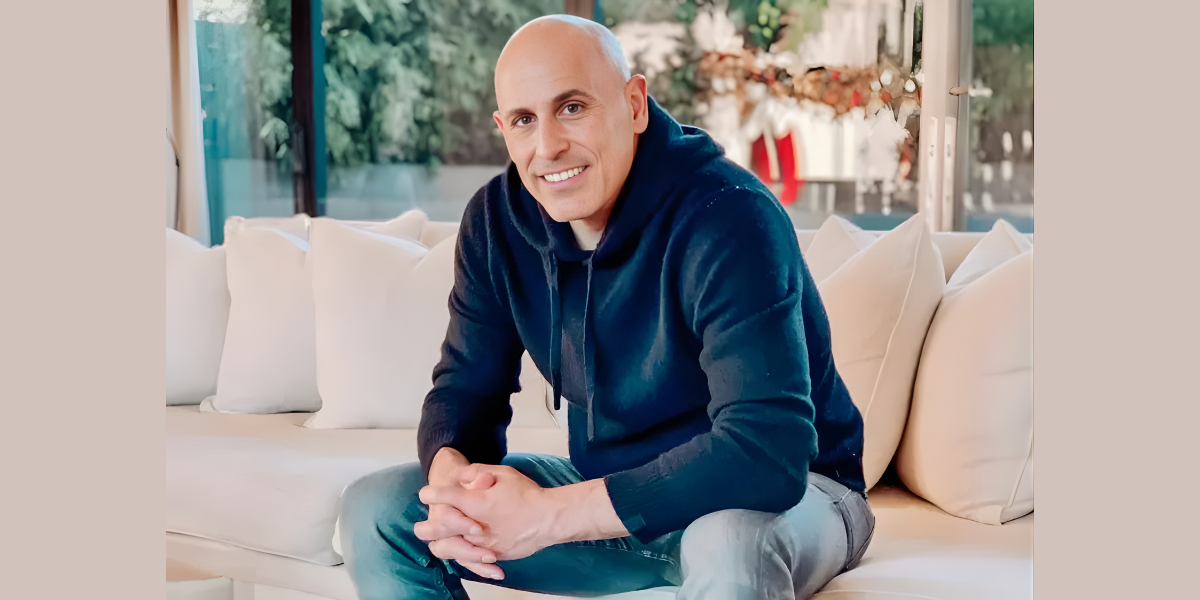
In a live interview on The Best One Yet (TBOY) podcast, serial entrepreneur Marc Lore didn’t just share stories—he revealed a pattern. A pattern of abandoning comfort, chasing conviction, and repeatedly rebuilding from scratch—even after billion-dollar wins.
If there’s one thread that runs through Lore’s career, it’s this: he doesn’t optimize for safety—he optimizes for possibility.
And that mindset has turned “bad ideas” into category-defining companies.
The Origin Story: “I Want to Grow Something From Nothing”
At four years old, Lore told his grandmother he wanted to be a farmer—not because he loved agriculture, but because:
“They grow stuff from nothing.”
That instinct—to create, not just participate—never left.
It explains why Lore didn’t follow a linear path. He:
- Qualified for the U.S. Olympic bobsled team… then walked away
- Dropped out of two Ivy League business schools
- Left stable jobs whenever a more compelling opportunity emerged
This wasn’t inconsistency. It was pattern recognition: when something more meaningful appeared, he moved.
The “Naive Advantage” That Built Diapers.com
When Lore launched Diapers.com, industry experts thought it was absurd.
He was:
- Selling a low-margin product
- Online
- With added shipping costs
In other words, a guaranteed money-loser
But Lore saw something others didn’t:
“They’re a loss leader for a reason… they drive traffic.”
His insight was simple but powerful:
- If diapers bring customers in…
- Then everything else becomes the profit engine
This became the foundation of a broader ecosystem:
- Baby products
- Toys
- Pet supplies
- Household goods
What looked like a flawed business model was actually a customer acquisition strategy disguised as retail.
When Amazon Attacks—and You Still Win
At its peak, Diapers.com faced a brutal challenge:
Amazon slashed diaper prices by 30% to crush the company.
Most startups would fold.
Lore didn’t.
Customers stayed—not because of price, but because of brand trust and emotional connection.
That moment proved something critical:
👉 If your value is purely price, you’re replaceable.
If your value is emotional, you’re defensible.
Eventually, Amazon acquired the company for $550 million.
The Unexpected Reality of “Making It”
You’d expect celebration after a half-billion-dollar exit.
Instead, Lore felt something else:
“After the sale, I was… depressed.”
Why?
Because for founders, the real reward isn’t money—it’s momentum toward a vision.
When that journey ends abruptly, so does the energy that fueled it.
This is a critical lesson for early-stage founders:
👉 If you’re building only for the exit, the outcome may feel emptier than you expect.
Jet.com: Unfinished Business
Lore didn’t stay down for long.
Instead, he launched Jet.com—a direct competitor to Amazon.
Not out of revenge, but because of:
“Unfinished business in e-commerce.”
This time, his edge came from logistics innovation:
- Prices dropped when customers bought items from the same warehouse
- Users were incentivized to shop more efficiently
- Savings were shared directly with customers
It was a subtle shift—but powerful.
Walmart acquired Jet.com for $3.3 billion, and Lore helped transform Walmart into a serious e-commerce contender.
The Philosophy That Changes Everything: Risk Is Misunderstood
One of Lore’s most important insights is also the simplest:
“People underestimate the risk of the status quo and overestimate the risk of change.”
This flips conventional thinking.
Most founders think:
- Staying the course = safe
- Pivoting = dangerous
Lore argues the opposite:
- Staying the same = hidden risk
- Change = opportunity
This belief drove one of his boldest decisions.
The $700M Pivot: Killing 450 Trucks Overnight
Lore’s latest venture, Wonder, started as a fleet of high-tech food trucks.
After building 450 trucks, achieving profitability, and gaining traction…
He shut it all down.
Why?
Because a better model emerged: brick-and-mortar kitchens with hyper-fast delivery.
Most founders would hesitate:
- “We’ve invested too much”
- “Let’s run both models”
- “Let’s test slowly”
Lore didn’t.
“If I was starting over today… I would not do the trucks.”
So he acted immediately.
- Sold the trucks
- Shifted the entire company
- Recommitted resources
No hedging. No half-measures.
👉 Clarity, followed by decisive action
The “Cart Before the Horse” Strategy
Another contrarian belief:
Lore intentionally starts before he’s ready.
When he created a financial certification exam in his 20s, he:
- Listed the exam online
- Collected payments
- Then created the test afterward
“You can just start anything.”
This approach prioritizes:
- Speed over perfection
- Validation over planning
For wantrepreneurs stuck in research mode, this is a wake-up call.
👉 Momentum creates clarity—not the other way around
Building Culture: Radical Fairness
Lore also challenges norms internally.
At his companies:
- Salaries are transparent
- Compensation is standardized by role
Why?
Because:
- It builds trust
- Removes negotiation bias
- Forces fairness
Yes, it can cost more.
But Lore sees it as a long-term advantage:
👉 Culture isn’t a perk—it’s infrastructure
The Final Takeaway: Give More Than You Take
After decades of building, selling, and rebuilding, Lore’s closing advice was simple:
“Give more than you take. Good things will come back to you.”
It’s not just philosophy—it’s strategy.
Because in startups:
- Relationships compound
- Reputation compounds
- Trust compounds
And those often matter more than capital.
What Founders Should Take From Marc Lore
If you strip everything down, Lore’s playbook looks like this:
- Start before you’re ready
- Use “bad ideas” as entry points to better systems
- Build emotional connection—not just functional value
- Kill what’s working if something better emerges
- Treat change as less risky than stagnation
- Optimize for creation, not comfort
Most people try to minimize risk.
Marc Lore builds by redefining it.

The Hidden Fear That’s Quietly Limiting Your Potential