Morgan Housel on Why Rich Families Stay Rich: 10 Wealth Lessons Every Entrepreneur Should Learn
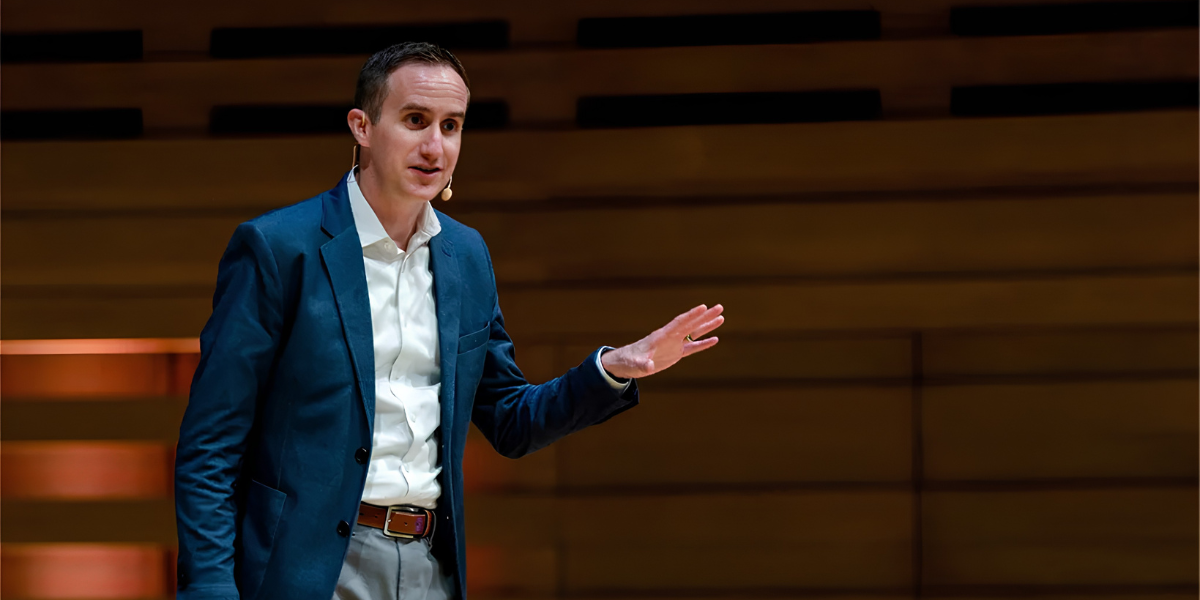
"You don't need the highest IQ to build wealth. You need the right behavior." — Morgan Housel
In an interview with entrepreneur and educator Pratham Mittal, bestselling author Morgan Housel unpacked one of the biggest misconceptions about money: wealth isn't primarily built through intelligence—it's built through psychology.
Housel, author of The Psychology of Money, has become one of the most influential voices in personal finance because he writes less about spreadsheets and more about human behavior. His central message is deceptively simple: financial success depends far more on how you think than what you know.
For entrepreneurs, that's a powerful lesson.
Building a business isn't just about strategy. It's about managing ego, making decisions under uncertainty, staying patient, and resisting the urge to compare yourself with everyone else.
Here are the biggest lessons founders can learn from Housel's conversation.
1. Wealth Is a Behavior, Not an IQ Test
One of Housel's favorite stories contrasts two very different people.
The first was Grace Groner, a quiet secretary who lived modestly, invested consistently, and quietly donated over $7 million to charity after her death.
The second was a Harvard-educated Wall Street executive who accumulated enormous wealth before losing nearly everything during the financial crisis through excessive leverage.
Their stories challenge a common assumption.
The person with elite credentials wasn't the better investor.
The person with better behavior was.
For entrepreneurs, this matters because startup culture often celebrates intelligence, hustle, and boldness while overlooking patience, humility, and emotional discipline.
Those quieter traits tend to compound much longer than brilliance alone.
2. Admire Great Founders—But Don't Assume You Want Their Lives
One of the interview's most memorable moments comes when Housel says:
"I am grateful that Elon Musk exists. I would never want to be him."
It's an important distinction.
Modern entrepreneurship encourages founders to idolize billionaires.
But Housel argues there's a difference between appreciating what someone has built and wanting to live their life.
Many legendary founders reached extraordinary success by sacrificing enormous parts of their personal lives—family relationships, health, sleep, privacy, and peace of mind.
Success always has a price.
The mistake is assuming you'll only pay the glamorous part of the bill.
Entrepreneurs should ask themselves a harder question:
Am I pursuing this business because I genuinely love building it—or because I like how success looks from the outside?
3. The Richest Families Focus on Purpose, Not Status
Why do some wealthy families stay rich for generations while others lose everything?
Housel contrasts two famous examples.
The Rockefellers built institutions, invested patiently, and viewed money as a tool.
The Vanderbilts, by comparison, increasingly treated wealth as identity and status. Later generations became constrained by maintaining appearances rather than building purpose.
The lesson isn't really about billionaires.
It's about every entrepreneur.
Money works best as a servant.
It becomes dangerous when it becomes your identity.
The founders who build lasting businesses often use wealth to create freedom—not to prove something to everyone else.
4. Status Spending Is Often Emotional, Not Rational
One of Housel's observations explains a surprising amount of consumer behavior.
People who experienced rejection or insecurity while growing up often use wealth to rewrite those stories.
The luxury car...
The oversized house...
The expensive watch...
Sometimes they aren't purchases.
They're emotional messages.
"I'm finally successful."
"I'm finally respected."
Entrepreneurs are particularly vulnerable because business success is so visible.
Revenue milestones quickly become lifestyle milestones.
The healthier approach is understanding why you're spending before deciding what to spend.
5. Contentment Beats Endless Ambition
Housel makes an important distinction between happiness and contentment.
Happiness is temporary.
Contentment lasts.
Many founders believe they're chasing happiness when they're actually chasing the feeling of finally having "enough."
Ironically, endless ambition makes "enough" impossible.
Society needs ambitious entrepreneurs.
Innovation depends on dissatisfaction.
But individuals also need boundaries.
Without them, every milestone simply becomes the starting point for the next race.
The goal isn't to eliminate ambition.
It's to know when ambition has already delivered the life you wanted.
6. Social Media Is Expanding the Wrong Scoreboard
Previous generations compared themselves with neighbors.
Today's entrepreneurs compare themselves with the entire internet.
Every funding announcement...
Every acquisition...
Every viral LinkedIn post...
Every "overnight success."
Housel argues that social media dramatically enlarges our comparison group while simultaneously showing only carefully curated highlights.
That combination creates permanent dissatisfaction.
The result isn't just emotional.
It changes financial behavior.
People take bigger investment risks.
Spend more aggressively.
Chase trends instead of fundamentals.
The antidote is remembering that you're comparing your behind-the-scenes reality with someone else's marketing department.
7. History Matters More Than Forecasting
When asked what students should learn today, Housel didn't answer finance.
He answered history.
Markets change.
Technology changes.
Human psychology doesn't.
Railroads.
The internet.
Artificial intelligence.
Every major technological revolution has followed remarkably similar emotional cycles: excitement, skepticism, speculation, overconfidence, disappointment, and eventual normalization.
Entrepreneurs who understand those recurring patterns make better long-term decisions than those obsessed with predicting next quarter.
History doesn't repeat exactly.
But it often rhymes.
8. Entrepreneurship Isn't Freedom—It's Different Responsibility
Many aspiring founders believe starting a company means escaping bosses.
Housel challenges that assumption.
As an entrepreneur, your investors become bosses.
Your customers become bosses.
Your employees become bosses.
Your regulators become bosses.
You're not eliminating accountability.
You're multiplying it.
That's not an argument against entrepreneurship.
It's an argument for pursuing it with clear eyes.
Founding a company is less about freedom than about choosing which problems you want to own.
9. Build the Life You Actually Want
Perhaps Housel's most valuable advice isn't financial at all.
He encourages people to spend time understanding their own definition of success instead of borrowing someone else's.
One question captures the idea perfectly:
Would you still pursue this if nobody knew you were doing it?
No LinkedIn announcements.
No social media followers.
No prestige.
No applause.
If the answer is yes, you're probably building something aligned with your values.
If not, it may be time to reconsider whose dream you're chasing.
Final Thoughts: Wealth Is About Optionality, Not Appearance
Morgan Housel has never argued that money doesn't matter.
He argues that what money buys matters more than the number itself.
The greatest financial luxury isn't a mansion.
It isn't a private jet.
It isn't even becoming a billionaire.
It's independence.
The freedom to make decisions based on your values rather than your obligations.
For entrepreneurs, that's perhaps the most enduring lesson of all.
Businesses come and go.
Markets rise and fall.
Technology changes at breathtaking speed.
But behavior—patience, humility, discipline, and self-awareness—continues to compound long after strategies become obsolete.
That's why some people build fortunes.
And why others build lives worth far more than their net worth.

How Ben Goodwin Built OLIPOP by Turning a Personal Health Journey Into a Mission-Driven Brand