Olivia Dean Didn’t Try to Make a Smash. She Tried to Tell the Truth.
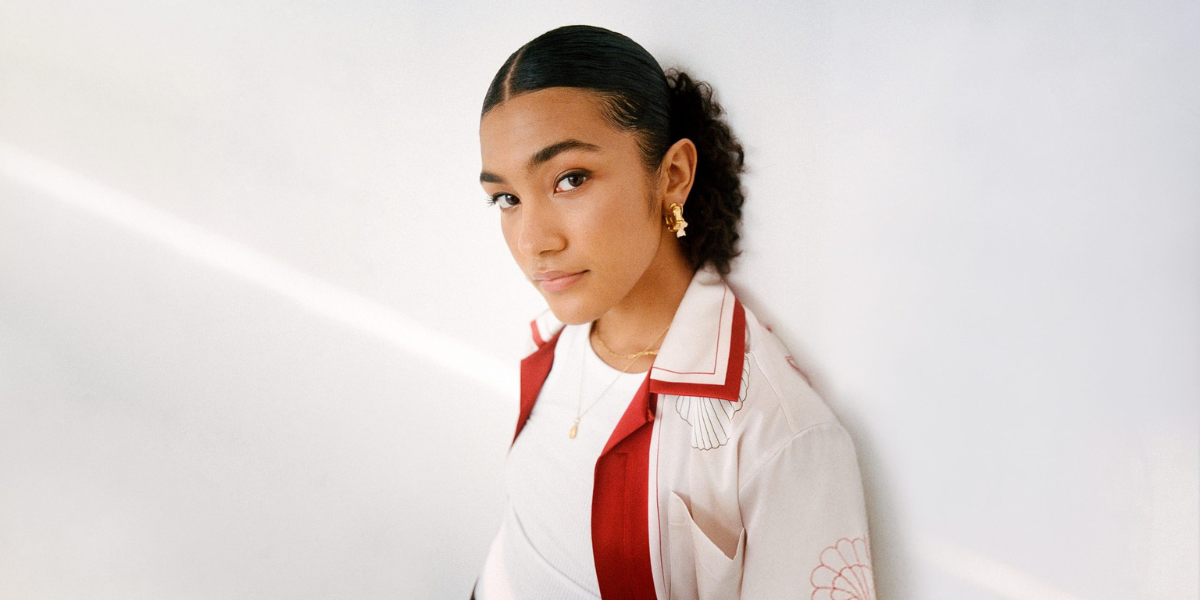
In an interview on the podcast And The Writer Is with Ross Golan, Olivia Dean opened up about imposter syndrome, writing “terrible” songs, and the emotional process behind her album The Art of Loving .
When she first arrived in Los Angeles in 2022, she felt like she didn’t belong.
“I think I had a lot of imposter syndrome,” she admits. “I would be in rooms and be like, they don’t know.”
Today, she walks into those same rooms differently.
“I’m really good at going into any room now and being like, ‘Hello, I’m Olivia.’”
That shift — from quiet self-doubt to creative authority — didn’t happen because she chased hits. It happened because she decided to stop molding herself to rooms and start letting rooms mold around her.
For early-stage founders and creatives, that evolution is the story.
Writing 50 Songs to Find the One
Olivia Dean is refreshingly honest about her process:
“I’ve done a lot of terrible music. Really bad.”
Not mediocre. Not “it wasn’t right for the time.” Terrible.
She estimates writing 40–50 songs per album cycle, knowing full well most won’t make the cut. Sometimes she writes ten bad versions of the same idea before finding the one that crystallizes it.
“There are a lot of songs you have to write to get to that song.”
For entrepreneurs, this is the part we skip in hindsight. We talk about the product that hit. The campaign that worked. The pivot that changed everything.
But mastery is volume plus refinement.
You don’t “find your voice.”
You exhaust the wrong ones.
The Day She Cried Over a Release
One of Dean’s most revealing moments wasn’t about a breakthrough — it was about disappointment.
She describes releasing a song and crying the day it came out because she felt it didn’t represent her.
“I was just like, I think I’m better than this.”
That sentence contains a quiet but powerful standard: she knows when something lacks feeling.
Not when it lacks streams.
Not when it lacks commercial appeal.
When it lacks truth.
And yet — she doesn’t regret it.
She now performs that song proudly because it represents a chapter of growth.
For founders: sometimes you ship something before you’re fully proud of it. The key isn’t avoiding imperfection — it’s learning fast enough that your next iteration reflects who you’re becoming.
Authenticity Is a Strategic Advantage
Early in her career, Dean left studio sessions feeling disconnected.
“I would leave and listen to the music and be like, wow, this is really vague. I don’t really hear myself in this.”
In rooms dominated by older producers and industry expectations, she felt pressure to conform.
But over time, she realized her competitive advantage wasn’t blending in — it was leaning into her “Britishness,” her specificity, her storytelling instincts.
“What I think is good about my writing is the Britishness and my authenticness. So I’m less likely to kind of mold myself to a room now.”
For entrepreneurs, especially first-time founders, this lesson is critical:
The instinct to “sound like” whoever is winning often kills differentiation.
Your specificity is not a liability.
It’s positioning.
Why the Best Songs Start With Tea, Not Tactics
Dean rejects the transactional studio model. For her, the best writing days don’t start with strategy — they start with conversation.
“The best songs come from like four hours of amazing conversation and tea and talking about our lives, and then the song gets written in like an hour.”
Trust precedes output.
She even advises young female artists to get comfortable saying no:
“Get really good at saying, ‘I don’t like that.’”
That’s creative leadership.
In business, too, many wasted days happen because someone was afraid to challenge direction early.
If something feels off in the first 20 minutes of a meeting, it will feel worse six hours later.
Vulnerability Is the Lever
When asked what makes songs resonate, Dean doesn’t mention hooks or marketing.
She says this:
“The deeper you go and the sort of more you scare yourself, those are the things that resonate the most.”
Her biggest songs often started as the ones she felt unsure about — even embarrassed by. Songs that made her cry while writing them.
She doesn’t fabricate stories. Every lyric is autobiographical.
“I don’t want to sing lies.”
In a world optimized for performance metrics, she’s optimized for emotional truth.
And ironically, that’s what scales.
The market responds to honesty because honesty is rare.
The Pressure of the Second Album (And the Founder’s Second Act)
After her breakout success, Dean faced a familiar creative panic:
“Oh my God, I have to make a second album. How did I even make the first one? Who am I?”
Every founder knows this feeling after a first win.
Was it luck?
Was it timing?
Can I do it again?
Her breakthrough came when she found a unifying thesis: The Art of Loving, inspired by bell hooks’ All About Love and an LA exhibition of the same name.
Instead of chasing what worked before, she created a container — an exploration of love as a skill, not a fantasy.
“It’s not like a mystical thing that just happens to you if you’re lucky. You have to manifest it and cultivate it.”
That’s not just about relationships.
It’s about craft. About confidence. About career.
Love, like mastery, is intentional practice.
She Doesn’t Chase the Charts
Despite her commercial momentum, Dean is clear:
“I’ve never sat at the piano and been like, I’m going to make a smash.”
For her, “making it” isn’t chart position.
It’s headlining Glastonbury.
It’s playing the O2 multiple nights.
It’s longevity.
Founders often confuse metrics with meaning.
Charts are signals.
Legacy is strategy.
The Real Growth Arc
When she first entered sessions as a teenager, she felt small. Passive. Unsure.
Now?
She sits at the piano first.
Writes down the chords.
Understands the structure before production begins.
She leads.
That shift — from reactive participant to creative anchor — is the quiet evolution that matters most.
Success didn’t eliminate her imposter syndrome. It reframed it.
She still writes duds.
Still gets scared.
Still questions herself.
But she trusts her taste.
And that may be the ultimate entrepreneurial skill.
For Wantrepreneurs Watching From the Outside
Olivia Dean once busked for 70 people and thought, I’ve made it.
Now she’s playing arenas.
The distance between those two realities isn’t luck. It’s:
- Writing dozens of bad songs.
- Leaving sessions that felt wrong.
- Saying no more often.
- Leaning into identity instead of sanding it down.
- Going deeper when it felt uncomfortable.
The lesson isn’t “be vulnerable.”
The lesson is do the reps until your vulnerability becomes your advantage.
As she puts it:
“There are a lot of songs you have to write to get to that song.”
For entrepreneurs:
There are a lot of drafts you have to ship to build that company.
A lot of conversations before you find that co-founder.
A lot of pivots before you find product-market fit.
Keep writing.
Your version of that song is coming.

Mastering Freight: Akash Singel’s Blueprint for Turning Loads into Profits