Oprah Winfrey’s Best Lessons on Success: The Mindset That Made Her Forbes’ Greatest Living Self-Made American
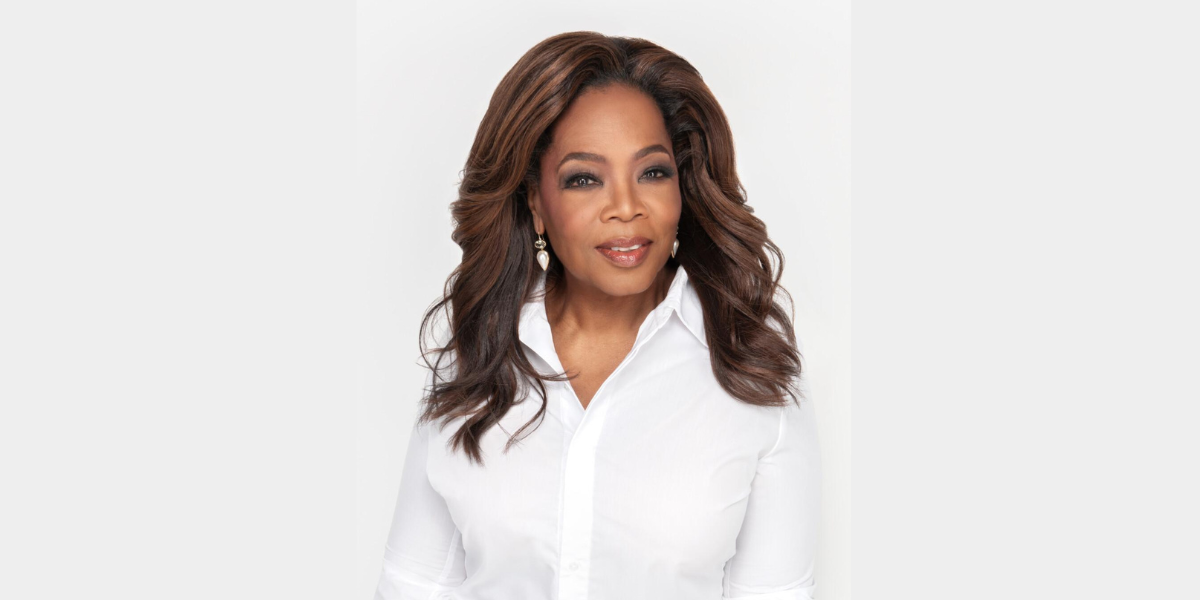
When Forbes recognized Oprah Winfrey as its greatest living self-made American, the moment wasn't simply about wealth. It was about distance traveled.
Not distance measured in miles, but in circumstances.
During a conversation celebrating the Forbes Self-Made list, Oprah reflected on a journey that began in rural Mississippi without running water, electricity, or even a telephone. Decades later, she would build one of the most influential media empires in history.
For entrepreneurs, her story offers something more valuable than inspiration: a framework for building a meaningful life and business.
Here are the lessons that stand out most from Oprah's remarkable journey.
1. Believe in a Bigger Vision Before You Can See It
One of the most fascinating moments from Oprah's conversation came when she was asked how she avoided doubting herself despite growing up in extreme poverty.
Her answer wasn't tactical.
It was spiritual.
"I always believed in God's dream for me."
Long before she had success, resources, or influence, Oprah carried an internal conviction that her life would amount to something greater than her circumstances.
Many entrepreneurs wait for evidence before they believe.
Oprah did the opposite.
She believed first.
That doesn't mean she knew exactly what her future would look like. It means she refused to let her environment define the ceiling of her ambition.
For founders, this lesson matters because every significant venture begins as an invisible possibility. Before customers, funding, or momentum arrive, belief is often the only asset available.
2. Your Starting Point Does Not Determine Your Destination
Throughout the conversation, Oprah repeatedly returned to the contrast between where she started and where she ended up.
She described growing up in conditions so different from modern life that children often struggled to comprehend them.
No running water.
No electricity.
No phone.
Yet she never framed those realities as excuses.
Instead, she viewed them as part of her story.
The entrepreneurial world often celebrates outcomes while ignoring origins. Oprah's success reminds us that extraordinary achievements are often built by people who begin with significant disadvantages.
The common denominator isn't privilege.
It's persistence.
The people who ultimately create transformative businesses are often the ones who refuse to accept the limitations placed upon them by others.
3. Success Means Becoming Purposeful With What You Have
Many entrepreneurs focus intensely on building wealth.
Far fewer spend equal energy asking what wealth is for.
Oprah explained that once she became successful, a new question emerged:
How do you become more purposeful with what you have?
This shift represents a critical transition many founders experience.
At first, the goal is survival.
Then growth.
Then freedom.
Eventually, the question becomes impact.
Oprah's career demonstrates that lasting influence comes not from accumulating resources but from deploying them intentionally.
The businesses that endure often solve meaningful problems. The entrepreneurs who leave lasting legacies typically understand that success is most fulfilling when it creates value beyond themselves.
4. Money Alone Does Not Solve Deep Problems
One of the most surprising lessons Oprah shared came from her philanthropic experiences.
Early in her success, she believed financial assistance could solve many of society's challenges.
Over time, she discovered reality was more complicated.
She recounted instances where simply providing money or improved living situations failed to create lasting change.
Her conclusion was powerful:
People must develop a healthy relationship with opportunity, responsibility, and value before resources can fully help them.
One insight stood out:
"Never give anybody more money than they've already earned."
Whether entrepreneurs agree completely or not, the broader lesson is important.
Transformation is rarely achieved through resources alone.
Systems matter.
Education matters.
Mindset matters.
The same principle applies in business. Funding cannot compensate for a weak business model. Growth cannot compensate for a broken culture. Revenue cannot compensate for a lack of purpose.
The foundation must come first.
5. People Remember How You Made Them Feel
Many people associate Oprah with one iconic television moment:
"You get a car. You get a car. You get a car."
But Oprah offered a different perspective.
She argued that people didn't remember those experiences primarily because of the gifts.
They remembered the feeling.
The surprise.
The joy.
The sense that something magical happened.
This insight has profound implications for entrepreneurs.
Customers may forget features.
They may forget pricing.
They may even forget specific interactions.
But they remember how your brand made them feel.
The strongest businesses aren't built solely on products.
They're built on emotional experiences.
Apple created excitement.
Disney created wonder.
Oprah created connection.
Entrepreneurs who understand emotional value gain an advantage that competitors often struggle to replicate.
6. Real Change Requires Systems, Not Good Intentions
Perhaps Oprah's most practical lesson came from her work in education.
After investing heavily in opportunities for young women in South Africa, she discovered that talent alone wasn't enough.
Even highly capable students required ongoing support structures to thrive.
Her takeaway was simple:
Create systems.
Not one-time solutions.
Not isolated interventions.
Systems.
This principle applies directly to entrepreneurship.
Founders often become trapped in heroic thinking:
- Working harder
- Solving every problem personally
- Constantly reacting
Eventually, growth demands something different.
Systems create consistency.
Systems create scale.
Systems create sustainability.
Businesses become valuable when success no longer depends entirely on the founder's daily effort.
The Entrepreneurial Lesson Behind Oprah's Success
What makes Oprah's story so compelling isn't that she became wealthy.
It's that she continually evolved her understanding of success.
First, success meant escaping limitations.
Then it meant creating opportunities.
Finally, it became about impact.
The entrepreneurs who endure tend to follow a similar path.
They start by pursuing achievement.
They grow by creating value.
They become exceptional when they focus on contribution.
Oprah's rise from rural Mississippi to becoming Forbes' greatest living self-made American wasn't driven by a single breakthrough.
It was driven by faith, resilience, purpose, and a commitment to helping others rise alongside her.
For every wantrepreneur wondering whether their current circumstances are too difficult, her story offers a simple reminder:
Your future is not determined by where you begin.
It's determined by what you believe is possible—and what you're willing to build from there.
Tom Cruise on Dreaming Bigger, Outworking Doubt, and Becoming a Lifelong Student