The $7.3B Wake-Up Call: What Hernan Lopez Teaches Us About Seeing Opportunity Before Everyone Else
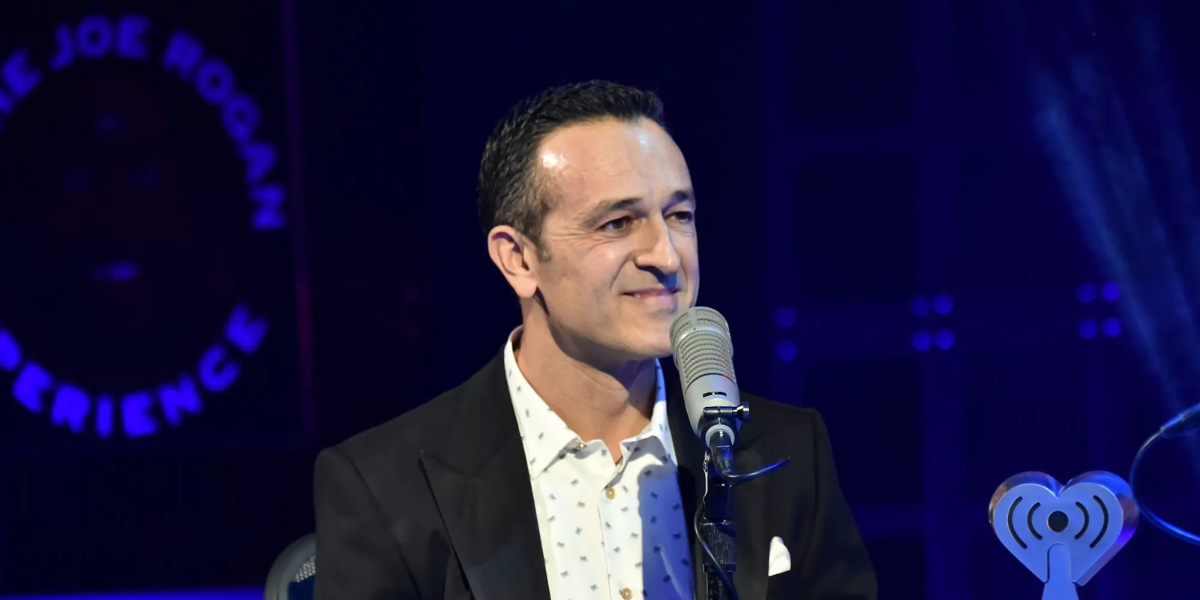
In a conversation on the Media Roundtable podcast, Hernan Lopez—founder of Wondery and now head of Owl & Co.—shared a realization that should make every entrepreneur pause.
For years, podcasting has been framed as a $2 billion advertising market. Respectable, but not revolutionary. Mature, but not explosive.
But Lopez looked deeper.
What he found wasn’t a $2B industry.
It was a $7.3 billion global economy.
And the gap between those two numbers tells a story every founder should pay attention to.
The Founder’s Instinct: Question the Default Narrative
Before building Wondery, Lopez did something deceptively simple:
He tried to answer a basic question—how big is podcasting, really?
“The best number I could come up with… suggested that only $100 million were being spent on podcast ads.”
That number didn’t match what he felt.
That tension—between what the data says and what reality feels like—is where entrepreneurial insight lives.
Instead of accepting the industry’s definition, Lopez challenged it.
Years later, that same instinct led to his biggest realization:
The industry wasn’t small. It was being measured incorrectly.
The Measurement Problem (and Why It Matters More Than You Think)
The traditional $2B figure came from a narrow lens:
- U.S. only
- Audio ads only
- No subscriptions
- No YouTube
- No global view
That’s like measuring the size of e-commerce… but only counting desktop purchases in one country.
Lopez expanded the frame.
He included:
- Programmatic advertising (especially YouTube)
- Consumer revenue (subscriptions, Patreon, premium content)
- Global markets
- Branded and work-for-hire podcasts
The result?
“I estimated the global podcast economy to be worth $7.3 billion… in 2024.”
That’s not just a bigger number.
It’s a different story about the future.
Why Undervalued Markets Stay Undervalued
Lopez makes a critical point most founders overlook:
“Because the number was underreported, the industry has been underestimated, underinvested, and misunderstood.”
This is a pattern.
Markets don’t just grow—they get reclassified.
- SaaS wasn’t “real” software—until it was
- Creator economy wasn’t “real business”—until it was
- Podcasts weren’t “real media”—until they were
The takeaway for entrepreneurs:
👉 If a market looks small, ask how it’s being measured.
Because mismeasurement creates opportunity.
The YouTube Effect: Where Smart Founders Are Looking Next
One of Lopez’s most important insights is about where the missing billions are hiding.
Short answer: YouTube.
“YouTube is the largely underreported story… accounting for a huge chunk of that number.”
For years, podcast revenue on YouTube was classified as video advertising, not podcasting.
But behavior didn’t change:
People were still consuming podcasts.
Just in a different format.
This creates a strategic insight:
👉 The platform doesn’t define the category—user behavior does.
The founders winning today understand this.
They’re not asking:
- “Is this a podcast or a video?”
They’re asking:
- “Where is attention shifting—and how do I follow it?”
The Real Revenue Lesson: Don’t Over-Rely on One Stream
Even with all the new categories, Lopez is clear:
“Probably 80%+ is still advertising revenue.”
But the shift is happening underneath:
New revenue layers are emerging:
- Subscriptions (Spotify, YouTube Premium)
- Direct fan support (Patreon)
- IP licensing (TV adaptations, books)
- Brand-funded content
Lopez didn’t just talk about this—he built it.
At Wondery:
- Shows became TV series
- Podcasts became IP engines
- Revenue extended far beyond ads
Seven shows were adapted to screen.
That’s the real play.
👉 Don’t build content. Build assets that travel across formats.
The Hidden Founder Skill: Redefining the Category
Lopez wasn’t just measuring podcasting.
He was redefining it.
That’s a different level of thinking.
Because whoever defines the category:
- Shapes investor perception
- Attracts capital
- Sets strategic direction
“When investors… understand the economic implications, then investment flows where it needs to flow.”
This is why category design matters.
Not as branding.
But as leverage.
What This Means for Wantrepreneurs
If you’re early in your journey, this story isn’t about podcasting.
It’s about how to see opportunity before it’s obvious.
Here’s the playbook hidden in Lopez’s approach:
1. Don’t trust surface-level market sizes
Look at what’s excluded, not just what’s included.
2. Follow behavior, not labels
If users act like it’s a podcast, it probably is—regardless of platform.
3. Build multi-layered monetization
Ads are the base. Not the ceiling.
4. Think in ecosystems, not channels
Audio + video + IP + community = real leverage.
5. Question industry assumptions early
That’s where asymmetry lives.
The Bigger Lesson: Opportunity Is Often a Definition Problem
At first glance, Lopez’s report is about numbers.
But underneath, it’s about something deeper:
👉 How we define things determines how we value them.
Podcasting didn’t suddenly grow overnight.
We just started seeing it more clearly.
And that’s the real entrepreneurial edge.
Not building something new.
But seeing what’s already there—before everyone else does.

Real Talk, Real Growth: Mike Jones’ One-on-One Strategy for SaaS Success