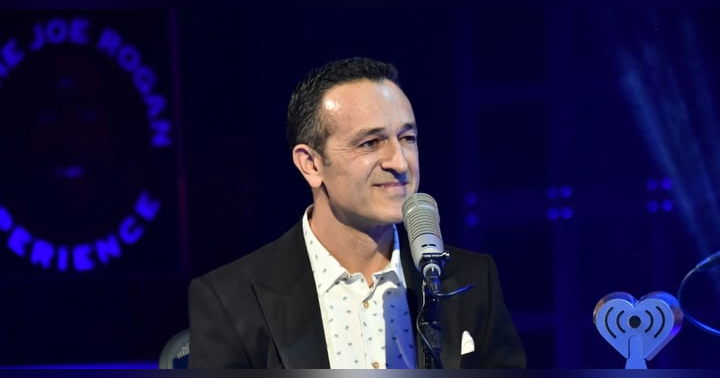
The Real Reason You’re Not Taking Action Isn’t What You Think
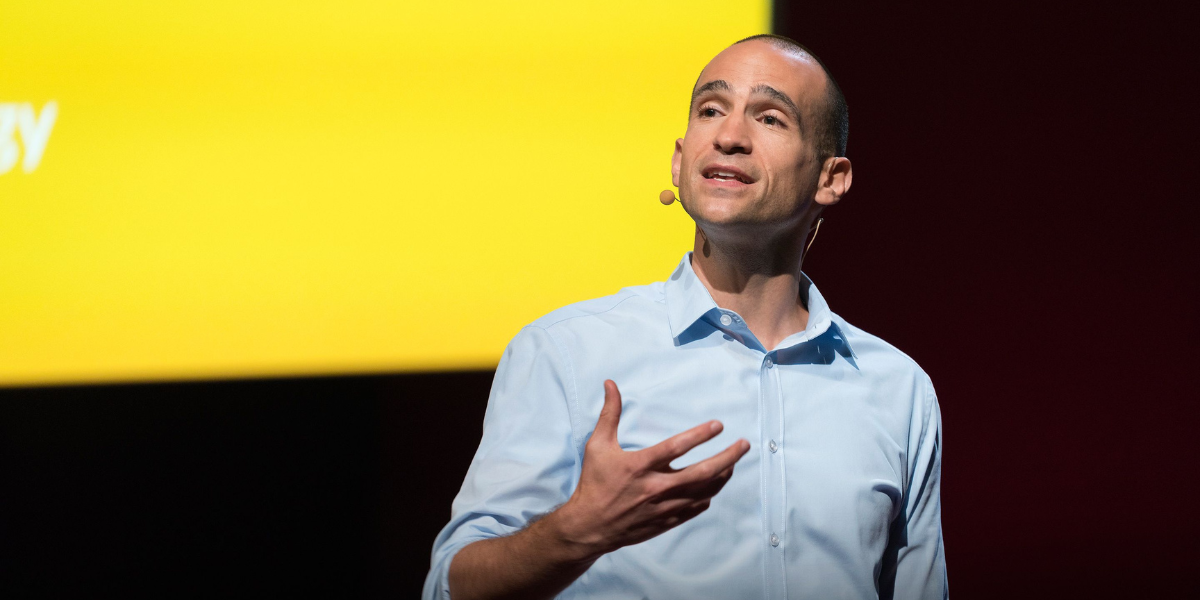
In an interview on Finding Mastery with Dr. Michael Gervais, best-selling author Nir Eyal unpacked a frustrating truth that every entrepreneur has felt:
You already know what to do.
You know how to get in shape.
You know how to grow a business.
You know how to improve your relationships.
And yet—you don’t do it.
Eyal spent years wrestling with this paradox after readers told him his book Indistractable “didn’t work.”
Not because the framework was wrong.
But because they never followed it.
“We all basically know what to do… so why don’t we do it?”
That question led him to a deeper discovery—one that reframes how entrepreneurs should think about motivation entirely.
Motivation Isn’t a Straight Line—It’s a Triangle
Most people think motivation works like this:
Goal → Action → Result
But Eyal argues that model is incomplete.
Motivation is actually a triangle, held together by three forces:
- The behavior (what you need to do)
- The benefit (why you want it)
- The belief (whether you think it’s possible)
And belief is the linchpin.
“You can know what to do and want the benefit—but if you don’t believe you can do it, you won’t act.”
For early-stage founders, this explains a brutal reality:
You’re not stuck because you lack strategy.
You’re stuck because of unquestioned beliefs.
Beliefs Aren’t Truth—They’re Tools
One of Eyal’s most powerful reframes is deceptively simple:
“Beliefs are not truths. They are tools.”
He defines belief as:
- Not a fact (objective truth)
- Not faith (no evidence required)
- But a conviction open to revision
That last part changes everything.
If beliefs can be revised… they can be chosen.
And yet most entrepreneurs treat their beliefs like facts:
- “I’m not a natural leader.”
- “I’m bad at sales.”
- “People like me don’t succeed at that level.”
Those aren’t truths.
They’re tools you’ve been using unconsciously.
The Dangerous Power of Limiting Beliefs
Eyal defines a limiting belief as:
“A belief that either saps motivation or increases suffering.”
And here’s the catch:
They’re invisible.
Just like you can’t see your own face without a mirror, you can’t easily see your own limiting beliefs.
But you can see them in others instantly.
That’s why founders often:
- Spot flawed thinking in competitors
- Give great advice to friends
- But stay stuck in their own patterns
The issue isn’t intelligence.
It’s blind spots in belief.
Why Beliefs Control Performance (Even With Equal Ability)
Eyal uses a simple example:
Two people run a marathon.
- Same physical ability
- Same training
- Same conditions
One says: “I can’t do this.”
The other says: “I think I can.”
Who do you bet on?
“The belief is not a fact. The belief is just perception.”
But perception drives behavior.
And behavior drives results.
For entrepreneurs, this shows up everywhere:
- Pitching investors
- Hiring your first team
- Shipping before you feel ready
Belief doesn’t just influence performance—it pre-determines it.
The Real Work: Excavating Limiting Beliefs
Eyal doesn’t start with building confidence.
He starts with removal.
“I don’t know how to build a fresh system without removing limiting beliefs first.”
His approach is practical:
Step 1: Find the Friction
Look for areas where:
- You’re stuck for years
- You repeat the same mistakes
- You avoid taking action
That’s where limiting beliefs live.
Step 2: Question the Belief
Ask:
- Is it true?
- Is it absolutely true?
Even slight uncertainty creates space.
Step 3: Explore Alternatives
Instead of replacing one belief, build a portfolio of perspectives.
This is key.
Entrepreneurs don’t need “the truth.”
They need beliefs that move them forward.
Liberating Beliefs: The Upgrade That Changes Everything
If limiting beliefs reduce motivation…
Then liberating beliefs do the opposite.
“A liberating belief is one that supplies motivation or decreases suffering.”
Examples:
- Instead of: “I’m bad at sales” → “Sales is a skill I can improve”
- Instead of: “It’s too late for me” → “Growth is possible at any stage”
One study Eyal references is especially striking:
People with positive beliefs about aging at age 30 live 7.5 years longer on average.
Not because beliefs magically change biology…
But because they change behavior:
- More activity
- More social engagement
- More resilience
Beliefs → Behavior → Outcomes
The 3 Powers of Belief Every Founder Should Master
Eyal distills belief into three actionable levers:
1. Attention (What You Focus On)
Your brain filters reality.
You don’t see everything—you see what your beliefs allow.
2. Anticipation (What You Expect)
If you expect failure, you prepare for it.
If you expect progress, you act differently.
3. Agency (What You Believe You Can Control)
This is the big one.
If you believe your actions don’t matter—you stop trying.
If you believe they do—you persist.
And persistence, as Eyal emphasizes, is the defining trait of success.
Why This Matters for Wantrepreneurs
Most early-stage founders are stuck in one of three belief traps:
- “I don’t have time”
- “People like me can’t do that”
- “This is just who I am”
These aren’t constraints.
They’re stories.
And unless you challenge them, they quietly define your ceiling.
The Bottom Line
If you feel stuck, unmotivated, or inconsistent…
It’s not because you lack discipline.
It’s because you’re operating on outdated beliefs.
“If we want to sustain motivation… there’s that missing piece of belief that we don’t explore.”
The entrepreneurs who win aren’t the smartest.
They’re the ones who:
- Question their assumptions
- Replace limiting beliefs
- And choose perspectives that fuel action
Because in the end—
Your beliefs don’t just shape your thinking. They define what you believe is possible.
Tim Ferriss on Escaping the Self-Help Trap: Why You Need to “Play Soccer,” Not Just Study It