“They Tanked My Company”: How Gwen Whiting Went From $100M Exit to Taking Back Control
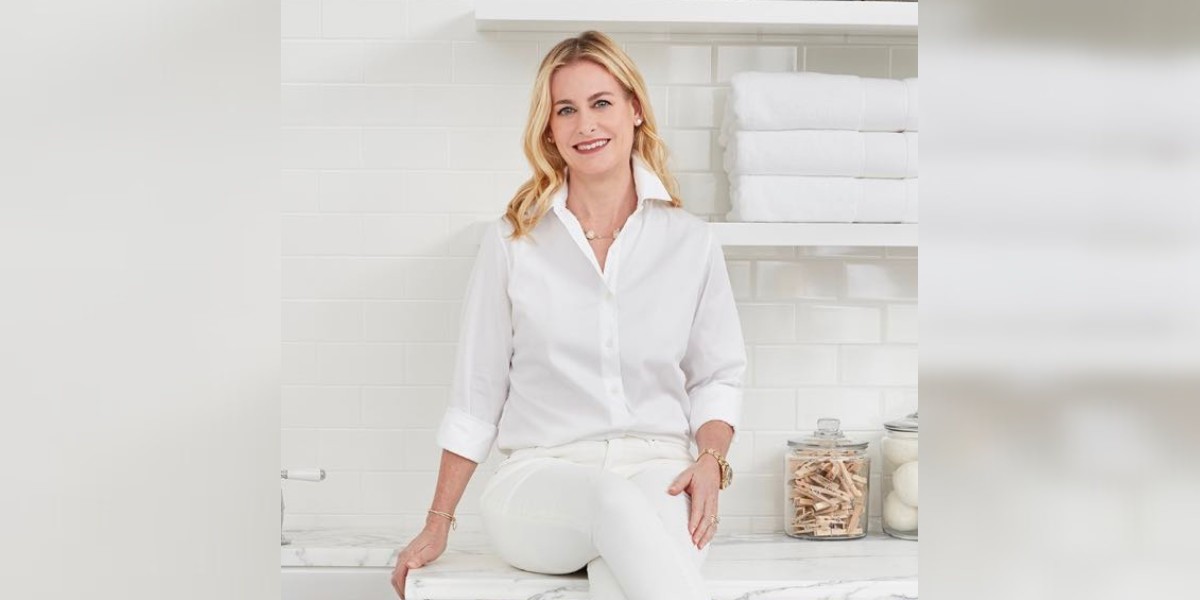
On an episode of Social Currency, entrepreneur and brand visionary Gwen Whiting gave a raw, unfiltered account of her journey — from bootstrapping The Laundress into a global cult brand to watching it crumble under corporate mismanagement after a $100 million acquisition by Unilever.
What was supposed to be a founder’s dream exit became a cautionary tale of what happens when you hand your life’s work to the wrong buyer.
In a conversation filled with sharp insights, emotional truths, and lessons every founder should hear, Whiting opens up about:
- Her original vision to turn laundry into a luxury category
- Why she said no to VC and built profitably from the start
- How post-acquisition chaos dismantled everything she built
- And why she’s back — with a new business model and a bigger mission
Here’s what every entrepreneur can learn from her story.
From Ralph Lauren Intern to Industry Disruptor
Whiting’s roots weren’t in business — at least not formally. She studied fiber science and apparel design at Cornell, building a deep understanding of textiles. While working at Ralph Lauren, she had an epiphany:
“All the detergent options were either Tide, Woolite, or the dry cleaner — and none of them were actually good for fabrics.”
She didn’t just see a gap — she understood why the gap existed. Mainstream laundry brands were built for scale, not care. Petrochemicals were the standard. Fragrance combinations were a sensory mess. There was no brand loyalty. Whiting saw an opportunity to not just make laundry better — but beautiful.
So she formulated products specifically for wool, silk, and cashmere, and launched in 2004 — two years after spending nights and weekends writing her business plan and researching with a detergent PhD.
“The industry was one-wash-fits-all. We offered care, specificity, and sophistication.”
Bootstrapping to Breakout Success
With no outside capital and a $100K SBA loan, Whiting built a brand from scratch. Her go-to-market? Specialty retail and education. She bypassed grocery shelves and instead went where quality and lifestyle intersected: lingerie stores, baby boutiques, denim shops.
This strategy not only allowed premium positioning — it made The Laundress a friend to other brands.
Press, not paid ads, did the heavy lifting. Real Simple readers became loyalists. Customers were taught not just how to wash a sweater — but why it mattered.
By the late 2010s, the brand had international presence and was growing 30% year over year.
The $100M Deal That Derailed Everything
Then came the Unilever acquisition.
On paper, it was everything a founder could want: a life-changing payday, global distribution potential, and no earn-out. But almost immediately, Whiting knew something was off.
“The plan we all agreed to? It died in the deal room.”
The playbook for scale — the one she spent years refining — was abandoned. The team she built was sidelined. Unqualified hires were brought in. And within months, profitability vanished.
“They brought in completely unqualified men. It was demoralizing for my all-female, highly efficient team.”
Worse, a massive recall hit The Laundress in 2022. Eight million products were pulled due to “potential” bacterial contamination. Whiting, already gone from the company and legally gagged by a non-disparagement clause, watched from the sidelines.
“I knew nothing was wrong with my formula. This was corporate incompetency and brand suicide.”
Why She Came Back: The Fill
Whiting had no plans to return to detergent. But watching her original formula vanish, customers panic, and a trusted product line dissolve?
“I had two bottles left of my original product. And I thought: I have to do this — again.”
Enter The Fill — Whiting’s new venture. A members-only model that’s small by design, The Fill isn’t chasing VC funding or CPG scale. It’s a wellness-meets-cleaning brand rooted in essential oils, aromatherapy, and community.
Customers can email her directly. There are no meta ads. No Amazon listings. It’s deliberately analog — and deeply personal.
“The Fill is wellness through your laundry. Let life work harder for you — through your linens.”
Lessons for Entrepreneurs from Gwen Whiting’s Journey
1. Build Lean, Grow Smart
Whiting grew an international brand without raising outside capital — proof that you don’t need a war chest to win. She optimized for margin, not hype.
2. Be Ruthless About Acquisition Terms
Her all-cash, no-earn-out deal was rare — and wise. Many founders get lured by earn-out promises that disintegrate once the ink dries.
“Everyone drinks the Kool-Aid. Then they tank your company and throw in costs. You have no control.”
3. Culture is Fragile. Guard It.
Even the best teams can crumble if acquired by the wrong partner. The Laundress thrived under an all-female leadership team. That cohesion vanished post-acquisition.
4. Your Customers Know
When Unilever tried to quietly swap her formula with one from Seventh Generation, customers noticed — and revolted. Authenticity matters.
“You can’t just throw diluted fragrance into a formula and slap my label on it.”
5. You Can Always Start Again
Whiting’s comeback isn’t about revenge. It’s about values. Trust. Product integrity. And delivering the best — again — on her terms.

Discovering Hidden Assets: The TurboTax-Inspired Tool Simplifying Estate Settlements