"This Is the Golden Age of Entrepreneurship": Shopify President Harley Finkelstein on Grit, Growth & the Power of Just Starting
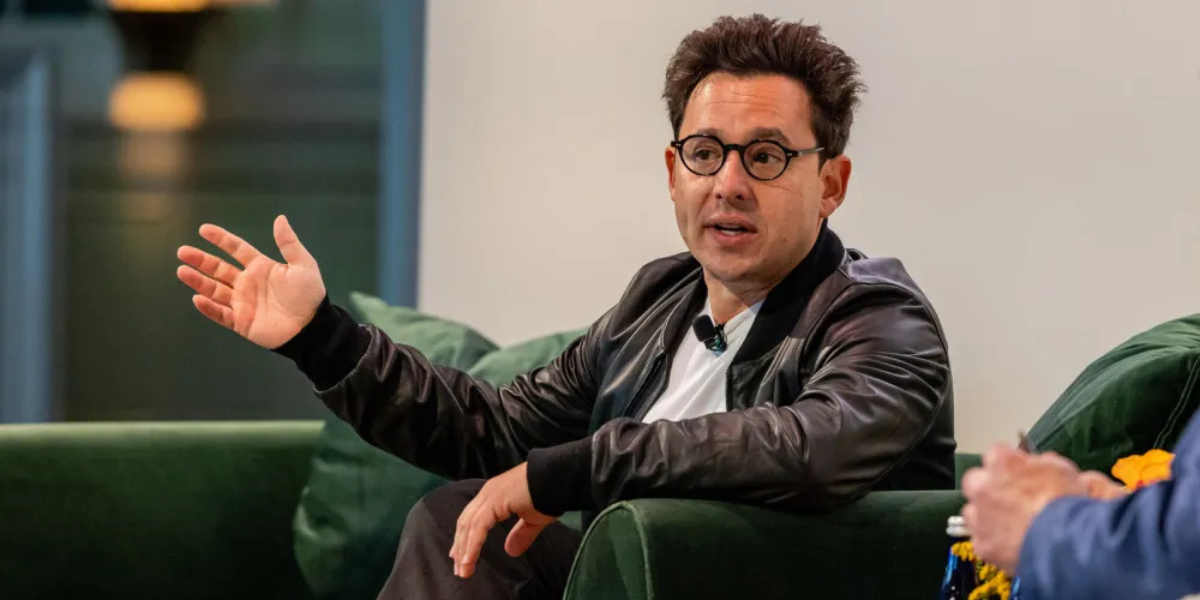
In an interview on Aspire with Emma Grede, Shopify President Harley Finkelstein laid out a manifesto for modern entrepreneurs — and it’s one every wantrepreneur needs to hear.
“This is the best time in the history of the world to start a business,” Harley says — and few are more qualified to make that call. As the president of Shopify, a $200B+ platform powering millions of entrepreneurs, he’s seen more success stories (and failures) than most founders could ever imagine.
But Harley didn’t start at the top. He was once a broke law student selling t-shirts online to pay rent and support his family. That side hustle introduced him to Shopify’s co-founder, and within a few years, Harley had joined the tiny startup — long before it became the backbone of modern e-commerce.
Today, he’s not just building Shopify. He’s building entrepreneurs.
The Gatekeepers Are Gone — So Why Haven’t You Started?
Harley’s thesis is clear: entrepreneurship has never been more accessible.
Historically, launching a business required capital, connections, or convincing retail gatekeepers to give you shelf space. Not anymore.
“There are no more gatekeepers,” he explains. “And because of that, everyone can do it.”
“Even more importantly — the cost of failure is almost zero.”
That line bears repeating: the cost of failure is almost zero.
Platforms like Shopify and social media have collapsed the old barriers. You don’t need a storefront. You don’t need a buyer’s approval. You just need an idea, a little grit, and the willingness to ship.
First-Time Success Is Rare. Try Anyway.
One of the most powerful truths Harley shares? Most of the biggest brands you admire — Gymshark, Skims, even Shopify itself — weren’t first attempts.
“Most successful entrepreneurs… have a past littered with failure,” he says. “But it doesn’t really matter to them. They have this grit that allows them to persevere.”
It’s not luck. It’s staying in the game long enough to find what works. That third idea? That might be the one that turns into a billion-dollar business.
Want to Win? Think Bigger Than a Slice of the Pie
Another pitfall Harley sees again and again: small thinking. Founders who obsess over taking market share instead of growing the market itself.
“The most successful entrepreneurs believe their total addressable market is expanding. They’re not fighting over the pie — they’re baking a bigger one.”
Ben Francis didn’t try to take customers from Nike or Lululemon. He saw a gap between bodybuilder gear and yoga clothes and created Gymshark to fill it. Emma Grede didn’t just enter the shapewear category — she redefined who it was for with Good American and Skims.
You Don’t Need a Giant Audience — Just a Real One
Today’s most successful businesses are being built in public — and that’s a massive opportunity.
“Start with an audience, then build the product,” Harley says. “Leave breadcrumbs along the way. Bring people into the journey. That’s how you create fans, not just customers.”
Even if you’ve only got 100 followers, share the journey. Ask for feedback. Be authentic. The brands that win tomorrow are being built on TikTok, Substack, and Shopify today — often with nothing more than iPhones and ideas.
What Never Fails? Story. Mission. Authenticity.
When asked what always works in business, Harley didn’t hesitate:
“Story. Narrative. Mission. Call it what you want — but it’s essential.”
From Kylie Cosmetics to Gymshark, the brands that break through have an origin story their customers believe in. They make you feel like you’re part of it.
And it’s not just a marketing strategy — it’s a moat.
“You can’t compete with someone who has deep conviction about what they’re building.”
Especially not if they’ve got grit.
The Real Secret? Re-qualify Every Year
In a rare moment of introspection, Harley shares a powerful personal philosophy:
“I believe everyone should re-qualify for their job every year… including me.”
That applies whether you’re leading a startup or working inside one. It’s not about perfection. It’s about evolution.
“I’m not trying to be everything to everyone. I want to be a master of the thing I can be world-class at — for me, that’s storytelling.”
Want to lead something big? Figure out your “spiky skill” — the one thing you’re better at than most. Then build your company (or your career) around that.
Final Word to Founders: You’re Right on Time
Harley ends the conversation with a reminder that should light a fire under every early-stage entrepreneur:
“The brand you and I will be talking about three years from now hasn’t been created yet. Someone watching this right now will build it.”
That someone could be you.
But only if you start.

How NeutronTech is Defying Industry Norms with On-Device AI Innovation