Tim Ferriss on Escaping the Self-Help Trap: Why You Need to “Play Soccer,” Not Just Study It
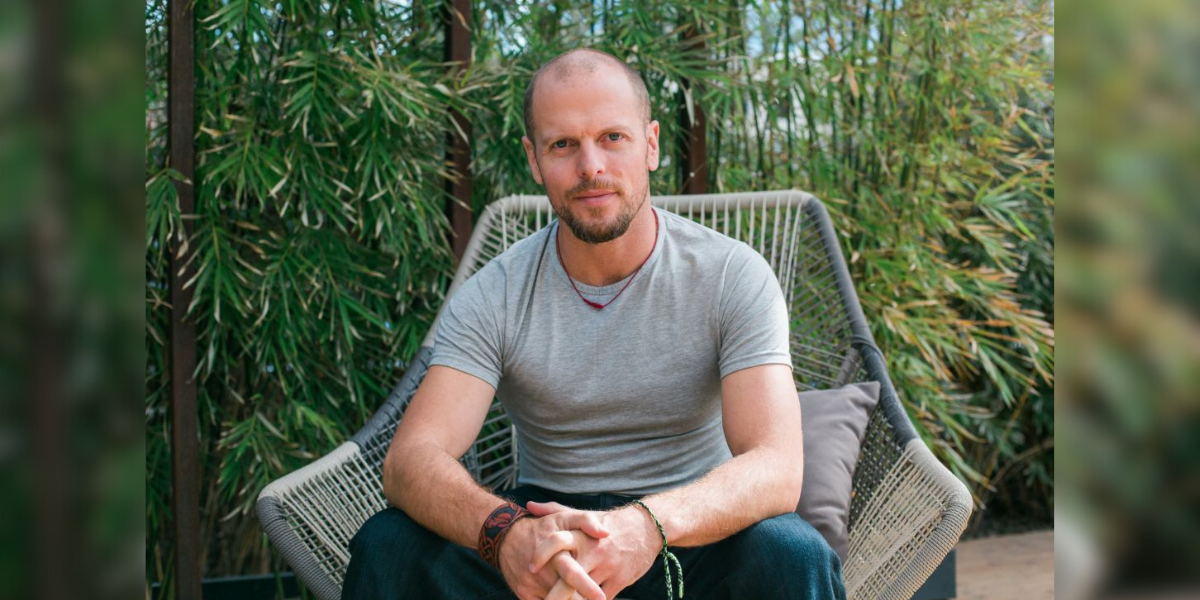
In an interview on The Tim Ferriss Show (with Dan Harris), Tim Ferriss didn’t just talk about productivity, optimization, or business.
He talked about something far more dangerous—the trap of self-help itself.
For entrepreneurs and wantrepreneurs, this conversation hits uncomfortably close to home. Because the very tools meant to help you grow can quietly become the thing that keeps you stuck.
The “Soccer” Trap Most Entrepreneurs Fall Into
Ferriss shares a metaphor that perfectly captures a modern epidemic:
“You want to play soccer… but first you’re going to read all the textbooks… get a PhD in soccer… practice by yourself… and become perfect before you ever play the game.”
It sounds ridiculous. But it’s exactly how many founders operate.
- You binge podcasts before launching
- You read 10 books before making your first sale
- You tweak your product endlessly before shipping
At some point, preparation becomes procrastination disguised as progress.
Ferriss calls this a core danger of self-help:
“You’re always polishing this self… and you never actually play soccer.”
Insight:
Self-improvement is only valuable if it leads to action. Otherwise, it becomes a loop—one that feels productive but produces nothing.
When Self-Optimization Turns Into Self-Obsession
Ferriss is known as one of the original “life hackers.” But today, his perspective has evolved.
He warns that personal development can easily drift into:
- Self-infatuation
- Over-analysis
- Endless inner work with no external engagement
And the antidote?
Relationships.
“The counterbalance… is relationships. We are evolved to be a social species.”
This is a powerful shift for entrepreneurs.
We often believe success comes from:
- More focus
- More isolation
- More “deep work”
But Ferriss argues the opposite: too much isolation feeds anxiety, rumination, and distorted thinking.
The Real Enemy: Your Own Mind
One of the most raw parts of the interview is Ferriss describing his struggle with ruminative thought loops:
- Replay conversations
- Obsess over decisions
- Spiral into anxiety → insomnia → depression
“You just can’t turn off these compulsive thought loops… it wears down the system.”
For entrepreneurs, this is painfully familiar.
You’re not just building a business—you’re battling:
- Constant uncertainty
- Fear of failure
- Endless decision fatigue
Ferriss makes a critical point:
The problem isn’t always external. It’s cognitive.
The Surprising Fix: Less Thinking, More Living
Instead of doubling down on analysis, Ferriss shifted toward simple, human fundamentals:
1. Prioritizing Relationships
He schedules time in advance with people who energize him.
- Long weekends with close friends
- Time in nature
- Shared experiences over conversations about problems
“Laughing around a campfire goes a long way.”
2. Consistent, Minimal Meditation
Not hours. Not retreats.
Just:
- 10 minutes
- Twice a day
- Done consistently
3. Reducing Isolation
He realized he had leaned into what he calls “compulsive isolation.”
Why?
Because of a hidden belief many founders carry:
“I need to fix myself before I can engage with the world.”
That belief is a trap.
The Big Reframe: You Don’t Need to Be “Ready”
This is where the lesson becomes critical for wantrepreneurs.
Many people delay starting because they think:
- “I need more skills”
- “I need more clarity”
- “I need to fix my mindset first”
Ferriss dismantles this completely.
You don’t become ready in isolation.
You become ready by playing the game.
What Are You Actually Optimizing For?
Another subtle but powerful shift in Ferriss’ thinking:
“Before you optimize, ask: what are you optimizing for?”
In today’s world, it’s easy to:
- Chase money because others are
- Build startups because it’s trendy
- Follow “morning routines” without questioning why
But optimization without direction leads to:
- Burnout
- Misalignment
- Success that feels empty
Insight for founders:
Clarity beats efficiency. Always.
The “Big Yes” Framework (And Why You Can’t Say No)
Ferriss introduces a concept that explains why many entrepreneurs feel overwhelmed:
“People can’t say no because they don’t have big enough yeses.”
If you don’t have a clear, compelling direction:
- You say yes to everything
- You fill your time with low-value work
- You avoid the discomfort of focus
This leads to what he calls:
👉 “Promiscuous overcommitment.”
The fix?
Define your big rocks (your highest-leverage priorities), then:
- Say no aggressively
- Protect your time ruthlessly
- Accept that some opportunities will pass
The Entrepreneur’s Takeaway: Stop Simulating, Start Playing
Ferriss’ message is simple—but uncomfortable:
- You don’t need another book
- You don’t need another framework
- You don’t need to “fix yourself” first
What you need is:
👉 Action in the real world
Because:
- You can’t learn relationships alone
- You can’t test ideas in theory
- You can’t build confidence without exposure
And most importantly:
You can’t win the game if you never step on the field.
Final Thought
The self-help industry sells a seductive idea:
That you can prepare your way into confidence, clarity, and success.
Tim Ferriss disagrees.
The real path is messier:
- Engage before you’re ready
- Learn while doing
- Build while uncertain
Because in the end:
Entrepreneurship isn’t something you study. It’s something you play.
The $7.3B Wake-Up Call: What Hernan Lopez Teaches Us About Seeing Opportunity Before Everyone Else