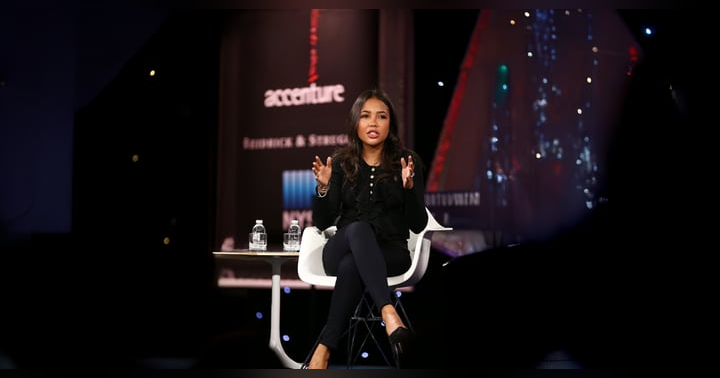
Tobi Lütke on Building Shopify and Staying Product-Obsessed

“I was never interested in building a business. I just wanted to build software people loved.” — Tobi Lütke
When Tobi Lütke started hacking together a better way to sell snowboards online, he wasn’t trying to build a billion-dollar company. He wasn’t chasing venture capital or dreaming of an IPO. He was chasing elegance — the kind of clean, expressive code that made building things on the web feel joyful.
What he didn’t expect: that obsession with craft would become the cornerstone of Shopify, now a platform powering millions of merchants and generating billions in revenue.
In a candid conversation with David Senra (of the Founders podcast), Tobi unpacks the philosophies, turning points, and counterintuitive choices that defined his journey from curious coder to iconic CEO.
The Accidental Founder: How a Snowboard Shop Sparked Shopify
Back in 2004, Tobi wasn’t planning to revolutionize e-commerce. He just wanted to open a snowboard shop online. But the tools available were clunky, restrictive, and uninspiring. So he built his own — using Ruby on Rails before most had heard of it.
“I built a better e-commerce system because none of the existing ones gave me what I wanted. I didn’t know it would turn into a company.”
This is one of the most important early lessons for wantrepreneurs: the best businesses often emerge from scratching your own itch. Tobi didn’t build for a market opportunity. He built for himself — and the thousands of other merchants who would eventually feel the same pain.
The Power of a Craft-First Culture
Tobi never saw himself as a traditional CEO. He still doesn’t.
“I still write code sometimes,” he admits. “I feel best when I’m building.”
This hands-on approach shaped Shopify’s DNA. Unlike founders who distance themselves from product as the company scales, Tobi embedded a culture of craftsmanship across the org.
“We didn’t hire business people. We hired builders. Engineers, designers, people who wanted to make things.”
The result? A product beloved by developers and merchants alike — not because it was aggressively marketed, but because it worked.
When to Break the Rules (and When to Keep Them)
Shopify’s growth wasn’t a straight line. At key moments, Tobi made decisions that defied conventional startup wisdom:
- He avoided fundraising early, despite pressure. “The moment you raise money, you’re no longer the customer. The investor is.”
- He prioritized platform over profit, doubling down on APIs, apps, and extensibility.
- He resisted trendy business tactics in favor of long-term thinking. “We weren’t chasing growth hacks. We were building infrastructure.”
This discipline — the ability to ignore the noise — helped Shopify become the backbone of a new generation of online businesses.
The “5-Year Rule”: How Tobi Builds Long-Term Conviction
One of the standout ideas from the interview is Tobi’s 5-Year Rule — a mental model he uses to evaluate big decisions.
“If something feels scary or hard, I ask myself: ‘Will I regret not doing this five years from now?’ That question clarifies everything.”
This mindset has guided some of Shopify’s boldest moves — from going all-in on mobile early, to rebuilding core parts of the product that no longer met their standards.
It’s also a powerful tool for early-stage founders: opt for long-term clarity over short-term comfort.
Staying Small While Scaling Big
Even as Shopify scaled into thousands of employees, Tobi worked hard to preserve the intimacy and agility of a startup.
“Scale isn’t the enemy. Complexity is.”
He believes most companies overcomplicate things as they grow — introducing layers, processes, and meetings that dilute momentum.
His antidote? A focus on autonomy and clarity. Teams at Shopify are given clear missions and trusted to figure things out. There’s no playbook — just principles.
Why Founders Should Stay Weird
Tobi’s final piece of advice for entrepreneurs: don’t try to be a CEO. Be a founder.
“Most of the people I admire in business are weird. They didn’t follow templates. They followed curiosity.”
It’s a lesson worth underlining. The most iconic companies — from Shopify to Apple to Tesla — weren’t built by MBA-trained managers. They were built by obsessive, unconventional, craft-obsessed founders who never stopped building.
Key Takeaways for Wantrepreneurs:
- Scratch your own itch. The best ideas solve problems you deeply understand.
- Stay close to product — even as you scale.
- Use the 5-Year Rule to navigate fear and uncertainty.
- Prioritize clarity and autonomy over rigid process.
- Embrace your weirdness. Don’t optimize for fitting in.

How Jim McKelvey Beat Amazon And Built a $50 Billion Company