When Grit Isn’t Enough: Angela Duckworth on Belonging, Leadership, and the Loneliness Behind Achievement
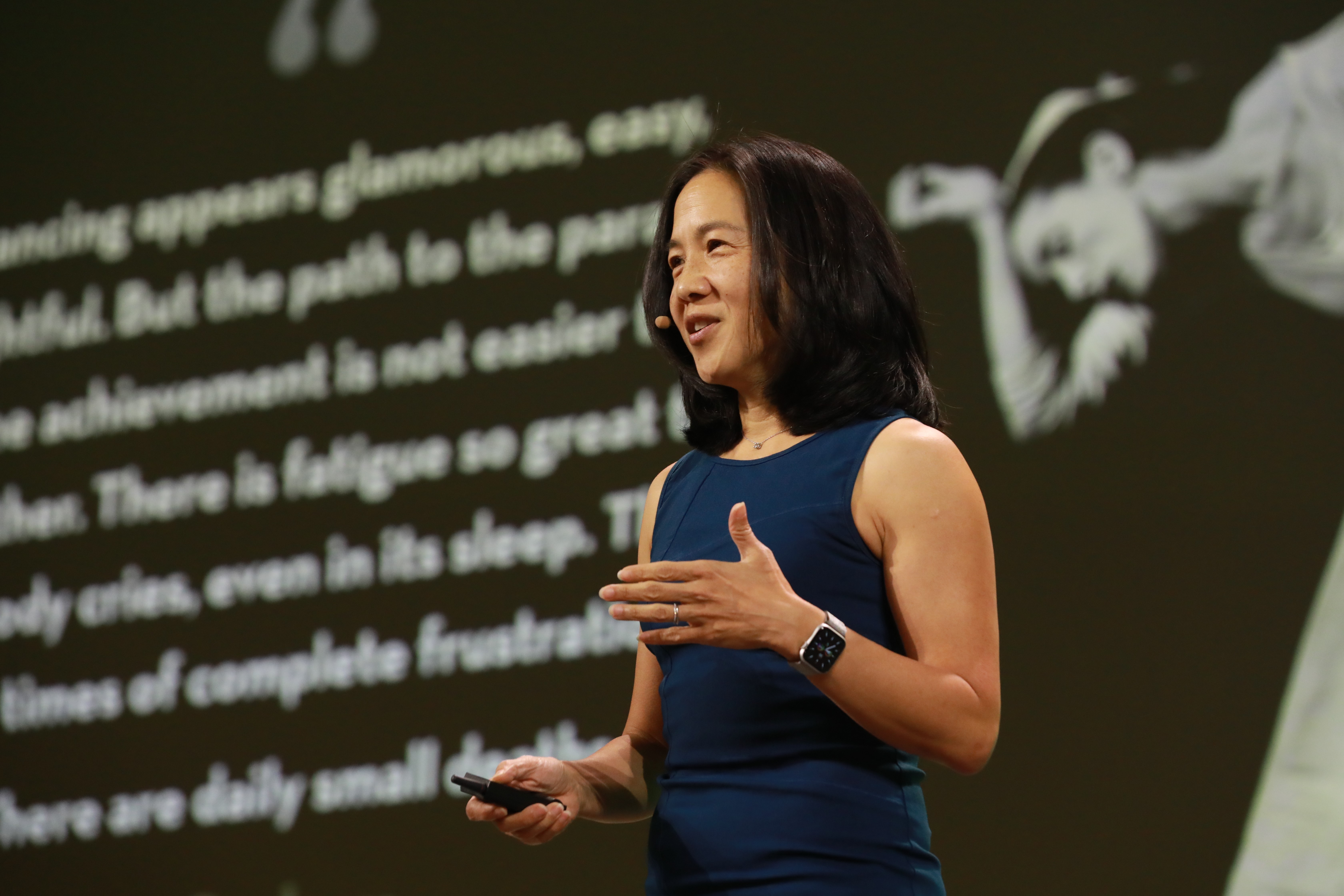
Angela Duckworth didn’t set out to question grit.
She helped define it.
As the psychologist behind one of the most influential ideas in modern achievement culture, Duckworth gave a generation of founders, students, and strivers a language for perseverance. Grit became shorthand for doing hard things over a long period of time—especially when quitting would be easier.
In a candid, free-flowing conversation on A Bit of Optimism with Simon Sinek, Duckworth makes a quieter, more unsettling point:
Achievement alone doesn’t make us happy. And grit, without belonging, can actually make us lonelier.
What follows isn’t a takedown of ambition or effort. It’s a reframing of what grit was always meant to serve. In a world obsessed with individual performance—grades, bonuses, followers, exits—Duckworth argues that we’ve mistaken endurance for fulfillment.
For wantrepreneurs and early-stage founders, this distinction matters more than ever. Because building something meaningful isn’t just about pushing harder. It’s about knowing why the push is worth it—and who you’re building it with.
We’ve Over-Indexed on Individual Achievement
Duckworth and Sinek start with a deceptively small observation: the way language has shifted from “me” to “myself.” It sounds trivial. It isn’t.
The change mirrors a larger cultural pattern—rugged individualism taken too far. We’re taught to stand out, optimize personal performance, and compete relentlessly. Schools grade individuals. Companies bonus individuals. Social media celebrates individuals.
But humans didn’t evolve that way.
We’re social animals. We thrive in groups. And when systems reward solo performance above all else, they quietly teach people to hoard information, protect turf, and prioritize “me before we.”
For entrepreneurs, this shows up early:
- Founders who feel they must do everything themselves
- Teams optimized for talent, not trust
- Cultures where collaboration is talked about—but not rewarded
The cost isn’t just performance. It’s wellbeing.
Why Smart People Don’t Always Make Great Teammates
Duckworth points to research (including work by Harvard economist David Deming) that challenges a deeply held assumption: high IQ does not predict strong team performance.
What does?
Social intelligence.
The ability to read emotions. To notice when someone feels dismissed. To check in instead of power through. Teams perform better not because one person is brilliant—but because members feel seen, respected, and safe contributing.
This insight has massive implications for founders:
- Hiring only for “top performers” can backfire
- Empathy scales better than ego
- Leadership is less about being right and more about being attuned
Average performers, Duckworth notes, often outperform stars in team settings—not because they’re smarter, but because they collaborate better.
The Hidden Contract of Leadership
One of the most powerful moments in the conversation centers on leadership—not as a title, but as a social contract.
Humans accept hierarchy naturally. We don’t resent leaders for having more power or earning more money.
What we resent is this:
When leaders take the benefits of status without accepting the responsibility to protect their people.
Anthropologically, leadership has always come with a cost. In tribes, the best-fed and strongest members were expected to run toward danger first. Today’s equivalent would be leaders who:
- Absorb pain during downturns instead of offloading it
- Protect jobs when possible instead of bonuses
- Choose people over arbitrary targets
When CEOs lay off employees to preserve executive compensation, it isn’t inequality that angers people—it’s betrayal.
For founders, the takeaway is stark: trust is built when people believe you will put the group ahead of yourself when it matters most.
Belonging Is the Missing Variable in Modern Work
Duckworth connects these leadership failures to something even bigger: the loneliness epidemic—especially among Gen Z.
The data is brutal. Young adults report record levels of anxiety, depression, and loneliness. While phones and social media amplify the problem, Duckworth argues they aren’t the root cause.
The real issue?
- Few deep, meaningful relationships
- Little sense of belonging to something larger than oneself
Friendship, she explains, isn’t about fun—it’s about trust. Having someone who won’t cancel when things get hard. Someone you can sit in the mud with.
Belonging, meanwhile, used to come from institutions:
- Churches
- Civic groups
- Stable workplaces
- Shared national purpose
Many of those have weakened or disappeared. And work—one of the last remaining candidates—has largely failed to fill the gap.
Grit Revisited: Not Willpower, but Meaning
Late in the conversation, Sinek asks Duckworth the question many founders secretly wrestle with:
Has grit been misunderstood?
Her answer is clear: yes.
Grit isn’t white-knuckling misery. It isn’t forcing yourself to endure a life you hate. Truly gritty people aren’t driven by iron willpower—they’re driven by meaning.
Duckworth describes the inner dialogue of gritty people as:
- This is interesting.
- This matters.
- I can improve.
- I know what to try next.
When those are present, effort feels purposeful—not punishing.
Her most radical advice?
Quit the things you hate.
For wantrepreneurs raised on hustle culture, this is liberating—and dangerous in the best way. Persistence only makes sense when the sacrifice is worth it.
What Character Really Means
When asked what she would teach every young person about character, Duckworth doesn’t hesitate:
Character is what you do not just for yourself, but for others.
Not when no one is watching.
But when other people are affected.
For founders and aspiring entrepreneurs, this reframes success entirely. The question isn’t:
- How far can I go?
It’s:
- Who am I willing to bring with me?
The Entrepreneur’s Quiet Opportunity
Duckworth and Sinek end on an optimistic note. The fact that conversations like this are in demand is itself a signal.
People are hungry for better leadership.
They want work that feels human.
They want grit and belonging.
For early-stage founders, this isn’t a burden—it’s an opportunity. To build companies where trust is rewarded. Where teams outperform individuals. Where success doesn’t come at the cost of connection.
In a world obsessed with standing out, the real advantage may be this:
Build something people feel proud to belong to.
The Companies That Survive AI Won’t Use It Better… They’ll Be Designed Differently