Why Will Guidara Believes the Best Marketing is a $2 Hot Dog: Lessons in Unreasonable Hospitality from the World’s Best Restaurant
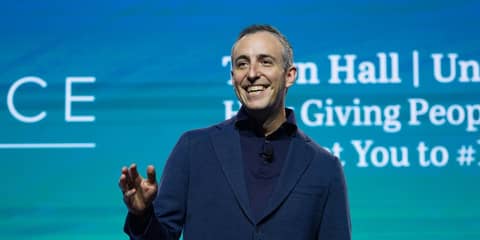
In a conversation on The Oprah Winfrey Show: Super Soul Podcast, restaurateur and author Will Guidara shared the philosophy that turned his restaurant, Eleven Madison Park, into the best in the world — and helped redefine customer experience across industries.
The strategy? Something he calls Unreasonable Hospitality — and it started with a bottle of bourbon, a disappointing award show finish, and a $2 hot dog that changed everything.
The Turning Point: When “Perfect” Isn’t Enough
At the time, Eleven Madison Park had extraordinary food, flawless service, and a stunning dining room. And yet, it wasn’t making an impact.
“We hadn’t done anything meaningful,” Guidara told Oprah. “We weren’t creating moments people would remember.”
In a bourbon-fueled debrief with his chef partner, he scribbled a mission on a cocktail napkin:
“We will be number one in the world.”
But food alone wouldn’t get them there. The restaurants topping the list—like Noma and El Bulli—were helmed by chefs relentlessly pushing culinary boundaries. Guidara wasn’t a chef. But he was a host. And so, he asked:
What if we became unreasonable in pursuit of people?
“If chefs were unreasonable about innovation, I would be unreasonable about human connection,” he said.
What Is Unreasonable Hospitality?
Unreasonable hospitality isn’t about five-star luxury. It’s about creating emotional moments people never forget—often with shockingly simple gestures.
Take the now-famous $2 hot dog story:
During a meal at Eleven Madison Park, a woman mentioned she regretted not trying a classic New York City street hot dog. Will overheard it. He ran outside, bought a hot dog from a cart, convinced his chef to plate it beautifully, and served it before the final course.
“I’d served tens of millions of dollars’ worth of wagyu and caviar,” Will recalled, “but I’d never seen anyone react like they did to that hot dog.”
Or the time guests mentioned leaving a bottle of champagne in their freezer. Will’s team went to their apartment mid-dinner, moved it to the fridge, and left a note with caviar.
“Anyone can do that for a close friend. Why not do it for a customer?”
Or the family visiting from Spain whose child had never seen snow. After dinner, the staff sent them to Central Park with sleds they’d just bought.
None of these gestures were scalable. But each created stories guests would tell forever.
Emotional Loyalty > Transactional Value
Wantrepreneurs are taught to think in terms of funnels, conversions, and LTV. But Will’s strategy flips that:
“Every dollar I spent on unreasonable hospitality was more impactful than any dollar I spent on traditional marketing.”
The logic is simple:
- People don’t just buy products or services.
- They remember how you made them feel.
- When you create a remarkable experience, they become evangelists.
As Oprah put it, “Those people are still talking about that sled and that hot dog.”
The Nobility in Service
Will’s philosophy is deeply personal. He grew up in hospitality—his father ran restaurants, and his mother was a flight attendant. At age 12, his dad took him to the Four Seasons in New York.
“I don’t remember the food,” he said. “I remember how they made me feel. For those two hours, the world stopped and I felt profoundly connected to my dad.”
That moment planted the seed. And decades later, his mission became clear: to create that same kind of magic for others—whether they were dining at a Michelin-star restaurant, or checking out at a UPS store.
“You can make a difference in someone’s life—no matter what you do,” he wrote in Unreasonable Hospitality. “But you must be able to name for yourself why your work matters.”
How Founders Can Apply It (Without a Michelin Budget)
You don’t need a fancy kitchen or a big budget to practice unreasonable hospitality. You just need three things:
1. Be Present
Caring so deeply about the person in front of you that you tune out everything else.
2. Get Creative
Ask yourself: What’s the most thoughtful way I can respond to what this person just said or did?
3. Act on the Idea
Most people think of generous gestures. Few actually follow through.
“The difference between good and great is just deciding to do it,” Will said.
In a startup, this could look like:
- Sending a handwritten note to a first customer.
- Naming an internal feature after a power user.
- Creating a personalized onboarding video.
- Following up months later to see how they’re doing.
Your Legacy is Every Life You Touch
One of the most powerful moments of the podcast was when Oprah recalled Maya Angelou’s words:
“Your legacy is not one thing. Your legacy is every life you touch.”
That’s what Will Guidara built his business—and his book—around.
Unreasonable hospitality is not just a restaurant tactic. It’s a way of living, leading, and building that turns transactions into transformations.
So, if you’re starting a business—ask yourself:
What’s your hot dog moment?
Because in a world where everyone is optimizing for efficiency, humanity is your biggest differentiator.
Emma Grede on Unapologetic Ambition, Risk, and Building What Women Actually Want


