Boosting Scores by 31%: How Vraj Shroff Turned Data into Student Success

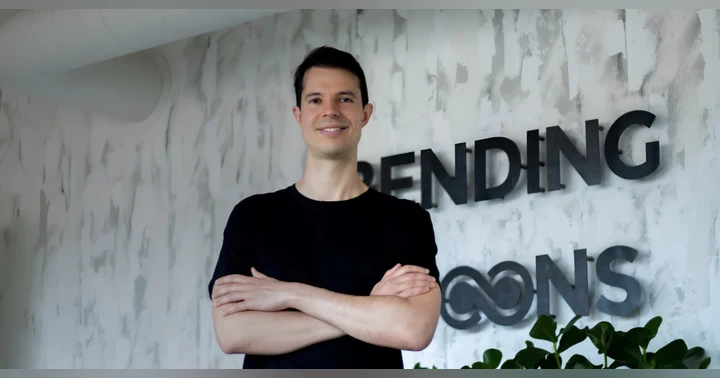
Vraj Shroff's journey from tech giant roles to founding How To Student exemplifies the transformative power of passion-driven innovation. As featured in this Wantrepreneur to Entrepreneur Spotlight, Vraj channels his expertise into an AI-powered learning platform that elevates high school education by bridging gaps in access and language. His pivotal moment came when real classroom results validated his vision—students improved their scores by 31%. With a commitment to inclusivity, Vraj employs unconventional strategies like sliding-scale pricing, proving that genuine impact and thoughtful listening can turn aspirations into a thriving educational revolution.
Hi, Vraj! Thanks for joining us today. Tell us about your business. Who do you serve, how do you serve them, and what's the impact that your business and work makes?
How To Student is an AI-powered learning platform serving high school students and educators. We support standards-based learning, ACT and SAT preparation, and essay writing through personalized practice and 24/7 AI tutoring in more than 100 languages. Educators stay informed through real-time dashboards and progress reports, enabling them to identify learning gaps, provide targeted support, and improve student outcomes across the school.
Tell us about the moment you finally felt like you went from wantrepreneur to entrepreneur.
The moment I stopped feeling like a “wantrepreneur” was when students began using How To Student in real classrooms and the results came back. Across our pilots, students improved their standardized assessment scores by an average of 31%. Seeing that impact, hearing educators describe how the platform helped them identify learning gaps, and watching schools choose to continue working with us made the business feel real. It was no longer just an idea, a product, or a pitch. Students and teachers were relying on something I had built, and I was responsible for making it better for them. That was when I began to see myself as an entrepreneur.
Describe the moment or period in your life/career that motivated you to make the entrepreneurial leap.
While working at Facebook and Google, I learned how technology can reach billions of people, but I wanted to be closer to the impact of what I was building. I kept coming back to education because it is one of the most powerful engines of social mobility. The opportunity to use technology to help students overcome gaps in access, language, and academic support motivated me to make the entrepreneurial leap and build How To Student.
Describe a tool, service, or software that has been a game-changer for your business. How does it contribute to your success?
Codex has been a game-changer for our business because it allows us to build and launch custom features for schools in as little as 24 hours. That speed keeps us close to the feedback loop, so we can listen to educators, understand what they need, and quickly turn their ideas into improvements. It helps us serve schools more responsively while continuously making the product more useful for students and teachers.
We know that success is very often a non-linear path. Tell us about a failure, pivot point, or lesson that changed your course or direction and helped to get you where you are today.
One of my biggest early lessons was realizing that a positive conversation did not always mean genuine interest. Educators were often enthusiastic and polite at conferences, but many did not respond afterward. At first, I saw that as rejection. Over time, I understood that school leaders are balancing countless priorities and that my outreach needed to make the value immediately clear. I shifted from talking primarily about our product to explaining how we could solve specific problems for their students and staff. That change made my outreach more relevant, strengthened our conversations, and helped me become a better listener and founder.
What unconventional strategy did you employ that significantly impacted your business?
An unconventional strategy that significantly impacted our business was securing grant funding from Harvard Business School and using it to create a sliding-scale pricing model. When a principal believes our platform can help their students, we ask the school to contribute what it can reasonably afford, and the grant helps cover the remaining cost. This removes budget as a barrier, builds trust with educators, and allows us to serve schools that might otherwise be unable to access high-quality personalized learning.
What’s something you wish you knew sooner that you’d give as advice for aspiring or newer entrepreneurs?
Go out of your way to be kind, especially when there is no obvious business case for it. For us, that meant reaching out to rural, small, and underfunded schools that many competitors would overlook because the economics did not seem attractive. We chose to serve them because our mission is to help all students. One of those principals is now making introductions and helping us expand. My advice is to do good without expecting anything in return. The impact matters on its own, and often, the goodwill finds its way back to you.
Want to dive deeper into Vraj's work? Check out the links below!
- Visit How To Student's website: howtostudent.com/
- Follow How To Student on X: @iamhowtostudent
- Find How To Student on Facebook: How To Student
- Follow How To Student on Instagram: @iamhowtostudent
- Follow How To Student on LinkedIn: How To Student
Rory Sutherland on Marketing Psychology: Why the Smallest Changes Create the Biggest Business Wins