How Barry’s CEO Joey Gonzalez Turned Passion Into a Global Fitness Brand
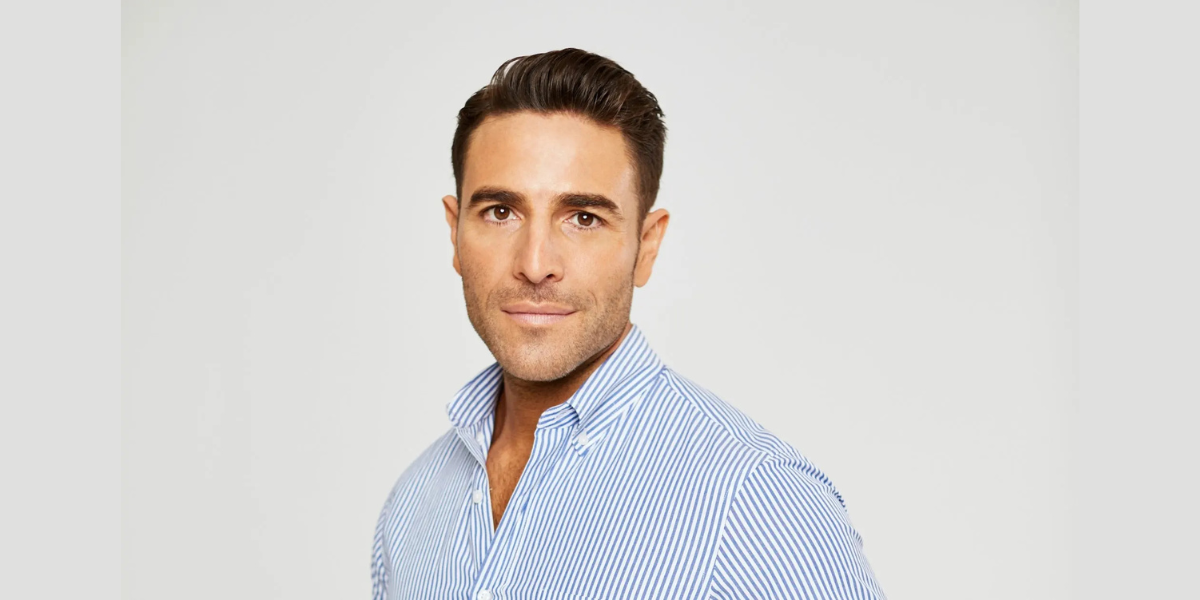
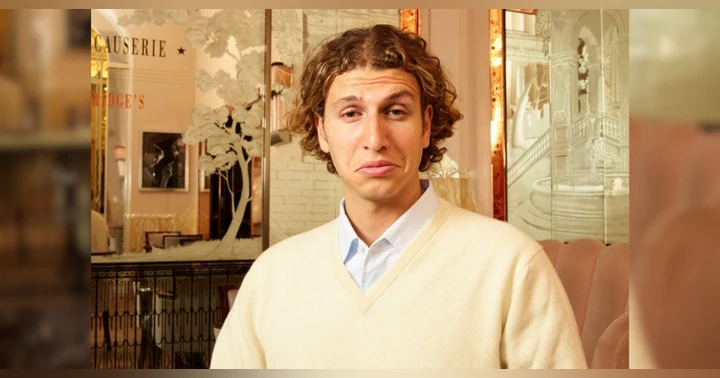
In an interview on the Trading Secrets podcast hosted by Jason Tartick, Barry’s CEO Joey Gonzalez shared the unconventional journey that took him from aspiring actor to leading one of the world’s most recognizable boutique fitness brands.
For years, Joey Gonzalez chased a dream that wasn’t working.
He was acting professionally by age 13, studying improv at Second City, performing in film and television, and eventually attending USC to study acting. By every traditional measure, he was pursuing the “right” path toward a creative career.
But behind the scenes, the financial instability was brutal.
So Gonzalez did what many wantrepreneurs eventually have to do: he adapted.
He worked in restaurants. He worked in real estate. He kept searching for work that didn’t just pay bills — but actually felt meaningful.
Then he walked into Barry’s.
More than a decade later, Gonzalez is now the global CEO of Barry’s, one of the most recognizable boutique fitness brands in the world, with 90 studios across 15 countries and aggressive international expansion underway.
But what makes his story compelling isn’t just the scale of the business.
It’s how he built it.
Not through corporate ladder-climbing.
Not through aggressive fundraising.
Not through flashy growth hacks.
But through obsession with community, relentless self-advocacy, and an unusual understanding of emotional intelligence as a business advantage.
“You Could Love Work”
One of the most important lessons Gonzalez learned came from failure.
His entertainment career never evolved into the long-term success he envisioned. But instead of viewing those years as wasted time, he now sees them as foundational.
“I knew at a very young age that you could love work and you could love what you do.”
That realization shaped every career move afterward.
He refused to settle for work that felt emotionally disconnected — even when stability would have been easier.
That mindset matters for entrepreneurs because many founders eventually optimize entirely for income, status, or scalability while slowly drifting away from the work itself.
Gonzalez took the opposite route: he chased alignment first.
Ironically, that became the foundation for scale later.
The Unlikely Skills That Prepared Him to Lead Barry’s
At first glance, acting and fitness leadership seem unrelated.
But Gonzalez argues the overlap is massive.
As a Barry’s instructor, he discovered that performance skills translated directly into the business:
- Musicality
- Presence
- Memorization
- Emotional awareness
- Crowd energy management
- Storytelling
And eventually, those same soft skills became executive leadership tools.
“As an actor and as a creative, you spend a lot of time developing soft skills… that helped me gain the EQ that I have now, which really empowers me as a leader.”
That’s a lesson many entrepreneurs miss.
Technical competence gets attention. Emotional competence builds companies.
Especially in service-driven businesses.
Barry’s isn’t just selling workouts. It’s selling transformation, identity, aspiration, and belonging.
Those are emotional products.
And Gonzalez understood that instinctively long before he became CEO.
He Didn’t Chase the CEO Title
One of the most surprising parts of Gonzalez’s story is that he never explicitly set out to become CEO.
When he joined Barry’s, the company had only two studios and roughly 40–50 employees.
Instead of chasing titles, he focused on ownership — both literally and mentally.
He started as an instructor.
Then became a general manager.
Then gradually began operating the business as though he already carried executive responsibility.
Eventually, he pushed aggressively to become an equity partner.
After years of asking, he finally delivered an ultimatum to the founders:
“I want to do this with you… but I will do it without you.”
That moment changed everything.
Many entrepreneurs wait for permission. Gonzalez forced clarity.
It’s a reminder that career acceleration often comes from demonstrating ownership before receiving authority.
Barry’s Grew Through Community — Not Paid Ads
Today, startup culture is obsessed with paid acquisition.
Meta ads. Funnels. Attribution models. CAC optimization.
But Barry’s scaled differently.
For years, Gonzalez says the company spent almost nothing on paid media.
Instead, it engineered community-driven growth.
Their referral campaigns — including one called Friends With Benefits — rewarded members for bringing friends into classes.
The result?
Massively higher conversion rates than traditional advertising.
“When you bring a friend, they’re 30 or 40% more likely to come again. When they come on paid media, it’s in the single digits.”
That insight applies far beyond fitness.
The strongest brands don’t just acquire customers.
They create social participation.
People don’t evangelize products because of marketing efficiency.
They evangelize products because the experience becomes part of their identity.
Barry’s figured that out early.
Why Barry’s Expanded Slower Than Competitors
In a startup ecosystem obsessed with blitzscaling, Barry’s growth strategy feels almost contrarian.
Despite being around for over 25 years, the company operates roughly 90 studios globally.
Some competitors have expanded into the thousands.
But Gonzalez says Barry’s never aimed to become the biggest.
“We don’t want to be the biggest. We strive to be the best.”
That philosophy influences everything:
- Premium studio buildouts
- Highly curated instructor hiring
- Consistent in-room experience globally
- Careful market selection
- Controlled expansion pacing
It’s a valuable counterpoint for founders who assume faster always means better.
Sometimes disciplined growth creates stronger long-term brand equity than hypergrowth ever could.
The Leadership Skill Nobody Talks About
When asked about the hardest part of being CEO, Gonzalez didn’t mention fundraising, operations, or scaling.
He said people management.
Specifically, emotional management.
“Humans have emotions, they get triggered… and when you have EQ and you’re empathetic, you start to feel what people are feeling.”
That emotional load is rarely discussed publicly among founders.
But it’s real.
As organizations grow, founders increasingly become emotional shock absorbers for employees, customers, investors, and partners simultaneously.
The job evolves from decision-making into emotional regulation.
And according to Gonzalez, that ability becomes critical during chaos.
During COVID — while many businesses panicked — he found himself unusually calm.
“Sometimes I feel calm in chaos.”
That composure may be one of the most underrated entrepreneurial advantages of all.
The Four F’s That Guide His Life
Near the end of the Trading Secrets interview, Gonzalez shared perhaps the clearest framework for balance in entrepreneurship.
Or rather — the absence of balance.
“You don’t find balance. You create it.”
His framework centers around four priorities:
- Friends
- Family
- Faith
- Fulfillment
The insight feels especially relevant in startup culture, where founders often sacrifice all four in pursuit of growth.
Gonzalez argues that fulfillment doesn’t only come from work. It can come from hobbies, relationships, spirituality, or purpose.
But without intentional investment in those areas, success eventually becomes hollow.
He also delivered one brutally honest line that every entrepreneur understands immediately:
“There is almost no such thing as balance. There’s only disappointing someone.”
That may be the most honest leadership quote in the entire interview.
Final Takeaway
Joey Gonzalez’s journey doesn’t fit the traditional CEO narrative.
He wasn’t the polished operator groomed for executive leadership from day one.
He was an artist. A performer. A side-hustler trying to make ends meet.
But those experiences gave him something many executives never develop:
- Emotional intelligence
- Community instincts
- Adaptability
- Authenticity
- Human connection
And ultimately, those became competitive advantages.
Barry’s didn’t become a global brand because it optimized spreadsheets better than everyone else.
It became a global brand because it made people feel something.
That distinction matters more than ever in modern business.
Junior Innovators: Micah Alexander's Bold Vision for High School Entrepreneurship