How Ilona Maher Turned Rugby, TikTok, and Authenticity Into a Million-Dollar Brand
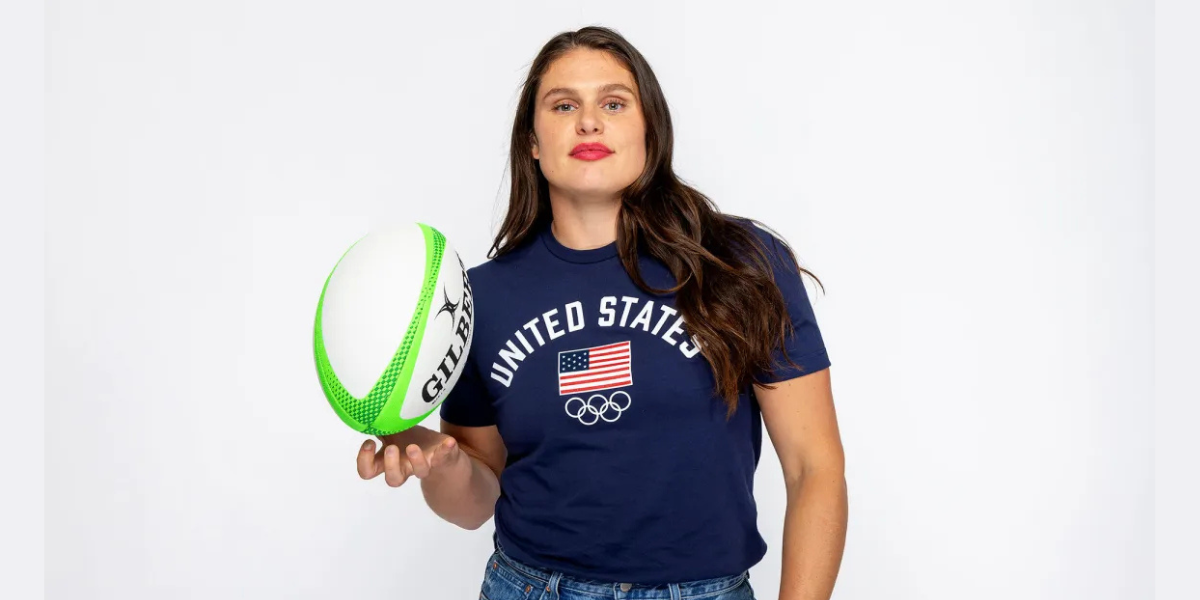
When Ilona Maher first joined the U.S. rugby program, she was earning a monthly stipend of a few hundred dollars.
At one point, she remembers feeling rich when that number hit $800.
Years later, she would turn down a USA Rugby contract because the money would mean more to a teammate than it would to her.
Not because rugby suddenly became lucrative.
But because Maher had built something bigger than the sport itself.
In an interview on Richer Lives by SoFi, the Olympic bronze medalist, TikTok creator, and Dancing with the Stars finalist pulled back the curtain on what it actually looks like to build a modern athletic career in women’s sports — and why today’s athletes have to think more like entrepreneurs than ever before.
For founders, creators, and early-stage entrepreneurs, Maher’s story is less about sports and more about leverage.
How do you create opportunities when the system around you isn’t built to support you?
How do you turn attention into equity?
And how do you build a brand people care about before the market catches up?
Maher’s answer: stop waiting for permission.
Rugby Was Never the Business — Ilona Maher Was
One of the most revealing moments in the interview came when Maher explained the economics of professional rugby.
Even elite athletes on national teams often earn very little.
Some players in England’s women’s rugby leagues reportedly make only a few thousand dollars annually while balancing full-time jobs as teachers, lawyers, and doctors.
Maher said it plainly:
“Rugby will not be lucrative to play in. What’s lucrative is the deals you make out of it.”
That sentence contains one of the most important business lessons of the creator economy.
Your core skill is rarely the entire business.
The business is the ecosystem you build around that skill.
For founders, this shows up everywhere:
- A podcast becomes a consulting business.
- A YouTube audience becomes a software company.
- A niche expertise becomes a media brand.
- An athletic career becomes sponsorships, partnerships, appearances, and ownership.
Maher understood early that rugby alone would never provide financial security.
So instead of complaining about the economics of the sport, she built an audience.
The Real Breakthrough Wasn’t the Medal — It Was the Content
Most athletes treat social media as marketing.
Maher treated it as infrastructure.
During the Tokyo Olympics, while other athletes focused solely on competition, Maher leaned into storytelling.
She posted funny videos from the Olympic Village, joked about being single, documented the now-famous cardboard beds, and showed audiences something they rarely saw from Olympians: personality.
The result?
Millions of views.
Explosive follower growth.
And eventually, real business opportunities.
Her first major brand deal after Tokyo paid around $6,000 to watch and comment on a movie. At the time, she said it felt life-changing.
Then came bigger campaigns.
Then national recognition.
Then Dancing with the Stars.
Then Sports Illustrated.
Then Forbes 30 Under 30.
Maher didn’t wait for mainstream media to discover her.
She built direct distribution first.
That’s the modern entrepreneurial advantage.
The founders who win today often aren’t the most polished.
They’re the ones willing to consistently document, experiment, and create.
“You Have to Do More”
Maher was surprisingly blunt about the reality facing women’s rugby.
She believes athletes in smaller sports can’t simply expect audiences to appear.
“You have to do more,” she said when discussing why leagues like the WNBA have grown so rapidly.
Her point wasn’t criticism.
It was strategy.
Players like Caitlin Clark and Angel Reese don’t just compete.
They create narratives.
They become personalities.
They give fans emotional entry points into the sport.
Maher believes rugby players need to embrace the same mindset.
That perspective mirrors the reality facing modern startups.
Building a great product is no longer enough.
Founders are increasingly expected to:
- Build in public
- Create content
- Tell stories
- Develop personal brands
- Engage communities
- Become the face of their mission
Many entrepreneurs resist this.
Maher embraces it.
And that willingness to be visible has become one of her biggest competitive advantages.
Her Most Powerful Brand Asset? Relatability
What makes Maher’s content resonate isn’t just humor.
It’s emotional honesty.
Throughout the interview, she repeatedly returned to the experience of growing up uncomfortable in her body.
Rugby changed that.
For the first time, her size became an asset instead of an insecurity.
“They wanted me to run as fast as I could. They wanted me to hit as hard as I could,” she said while reflecting on discovering the sport.
That emotional throughline became central to her brand.
Maher’s rise has coincided with a broader cultural shift toward redefining what athleticism, femininity, and beauty can look like.
But she hasn’t approached body positivity as a marketing angle.
She talks about it as an ongoing internal battle.
That vulnerability matters.
Audiences today can sense manufactured authenticity almost instantly.
Maher’s appeal comes from the fact that she still feels human.
Still insecure sometimes.
Still figuring things out.
That honesty creates trust.
And trust is one of the most valuable currencies in modern business.
She’s Not Just Building Herself — She’s Building the Ecosystem
One of the most underrated parts of Maher’s interview was how often she talked about her teammates.
She described helping teammates script TikToks, edit videos, brainstorm content ideas, and land deals.
At one point, she joked that she essentially became a one-person social media agency for the team.
But underneath the humor is a bigger leadership philosophy.
“A rising tide lifts all ships,” she said.
That mindset separates short-term influencers from long-term industry builders.
Maher understands that if rugby grows, everyone benefits.
If more players become visible, the sport becomes more marketable.
If more women athletes earn sponsorships, the entire ecosystem strengthens.
The best entrepreneurs think this way too.
They don’t just optimize for personal gain.
They build communities, networks, and categories.
Because category creation is often more valuable than individual success.
The Bigger Lesson for Entrepreneurs
There’s a tendency to romanticize entrepreneurship as freedom.
Maher’s story is a reminder that entrepreneurship often begins as necessity.
Women’s rugby didn’t provide the infrastructure she needed.
So she built leverage elsewhere.
She learned attention.
She learned storytelling.
She learned distribution.
She learned branding.
And she turned herself into something far more resilient than “professional athlete.”
That’s the real lesson.
The people who thrive long-term are rarely dependent on one platform, one employer, one title, or one income stream.
They create optionality.
Maher now sits at the intersection of sports, media, entertainment, fashion, and culture.
And she got there not by waiting for rugby to change first — but by changing what a rugby player could be.
For wantrepreneurs and early-stage founders, that may be the most valuable takeaway of all.
Don’t wait for your industry to fully support your ambitions.
Build the audience.
Tell the story.
Create the leverage.
And let the market catch up later.
Airbnb CEO Brian Chesky: In the AI Era, Knowing What to Build Matters More Than Knowing How