How Shep & Ian Murray Turned Vineyard Vines Into a $500M Lifestyle Brand—Starting With Just 800 Ties
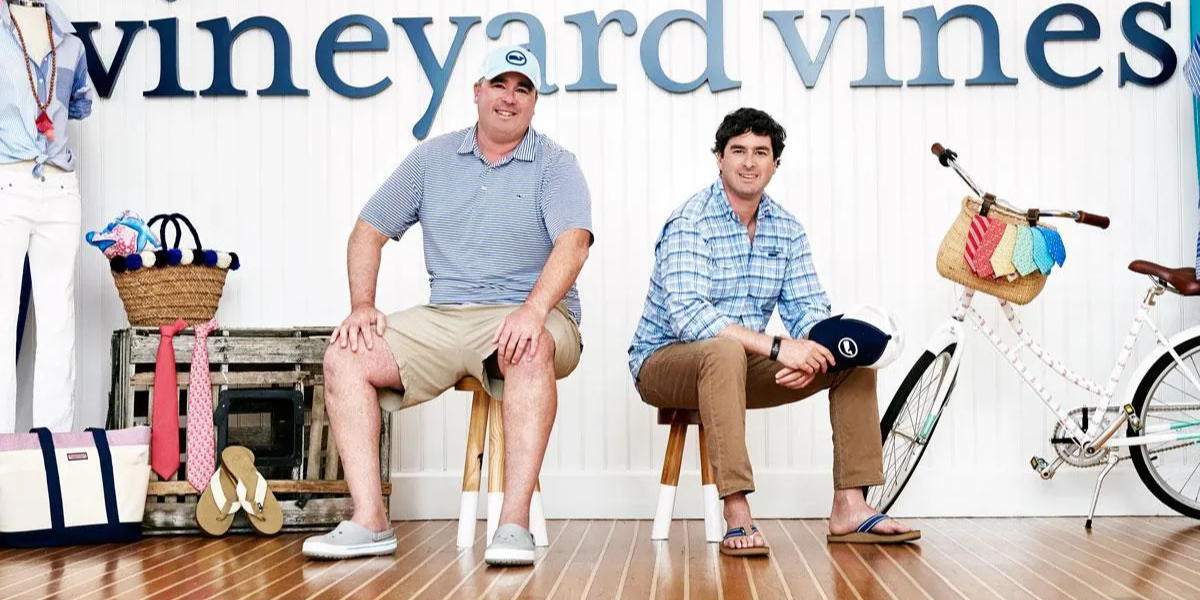
In an interview on How I Built This with Guy Raz, Shep and Ian Murray shared the unlikely story behind Vineyard Vines—a company that started with 800 neckties and grew into a half-billion-dollar lifestyle brand.
At the time, their idea made little sense.
The late 1990s weren’t exactly friendly to ties. Workplaces were getting more casual. Tech culture was rising. Even icons like Steve Jobs had ditched the suit entirely. The tie wasn’t just declining—it was becoming irrelevant.
And yet, that’s exactly the moment the Murray brothers chose to go all in.
What they built wasn’t just a tie company. It became Vineyard Vines—a brand rooted in emotion, identity, and a very specific feeling of the “good life.”
The Real Insight: They Weren’t Selling Ties
At first glance, Vineyard Vines was a product business: colorful ties with whales, boats, and island motifs.
But the brothers quickly realized something deeper:
“People weren’t buying ties because they had to… they were buying them because they wanted to say something about themselves.”
This was the unlock.
They weren’t competing in the tie market—they were creating a self-expression product in a shrinking category.
While competitors leaned into muted, conservative designs, Vineyard Vines leaned into identity:
- Martha’s Vineyard nostalgia
- Summer freedom
- A relaxed, aspirational lifestyle
Lesson: If the category is dying, redefine what you’re actually selling.
The Origin Story: Quitting Before They Felt Ready
Both brothers were miserable in their early careers—advertising and PR jobs they didn’t connect with.
Every day, they’d meet for lunch and ask the same question:
“How’s your day?”
“It sucked.”
Eventually, dissatisfaction turned into action.
They:
- Took out credit card cash advances
- Built prototypes with zero fashion experience
- Quit their jobs within minutes of each other
Their parents were not thrilled.
But the brothers made a decision many wantrepreneurs struggle with:
They chose potential regret over guaranteed dissatisfaction.
Phase 1: Scrappy Execution Beats Strategy
Their first production run?
- 800 ties
- ~$10,000 financed on credit cards
- 4 designs inspired by Martha’s Vineyard
They didn’t launch with a grand strategy. Instead, they:
- Rode bikes to local shops
- Sold face-to-face
- Learned retail on the fly
Their first breakthrough came almost accidentally:
A small store ordered $1,800 worth of ties on the spot—a life-changing moment for two founders with maxed-out credit cards.
“We thought—we’re not going to have to work anymore.”
They were wrong—but they were on the right path.
Lesson: Early traction doesn’t come from scale. It comes from proximity to customers.
Phase 2: Build a Brand, Not Just Distribution
One of their smartest early moves wasn’t operational—it was cultural.
They turned themselves into walking billboards:
- Wearing ties with shorts on the beach
- Playing music in bars
- Branding their boat and Jeep
And then came a moment of pure guerrilla marketing genius.
During the Clinton-Lewinsky scandal, Ian showed up at a media hub and pitched their story:
“I wonder if the president would like one of our ties.”
That clip aired nationwide.
Free exposure. Massive credibility.
Lesson: Brand is built through moments, not media budgets.
Phase 3: Turning Customers Into a Tribe
Very early on, Vineyard Vines discovered something powerful:
Their customers felt like insiders.
“People who wore our ties were part of an in-the-know group. We almost created a tribe.”
This wasn’t accidental. It came from:
- Distinct visual identity
- Emotional storytelling
- Consistent lifestyle positioning
This is where most product businesses plateau—and where Vineyard Vines accelerated.
Lesson: A strong brand doesn’t just attract customers—it creates belonging.
Phase 4: Relentless Learning (Especially When You Don’t Belong)
The brothers had zero fashion experience.
So how did they compete?
They did something most founders avoid:
They humbled themselves.
- Hung out in stores that rejected them
- Helped stock shelves
- Learned directly from retailers
“We didn’t know the business… we needed to learn the business.”
Instead of pretending expertise, they earned it through proximity.
Lesson: If you’re an outsider, your advantage is curiosity—not credentials.
Phase 5: Discipline Over Expansion
When success came, they resisted the urge to scale too fast.
A mentor gave them a simple rule:
Don’t expand beyond ties until you hit $5M in tie sales.
That constraint mattered.
It forced:
- Focus
- Operational discipline
- Product-market fit before expansion
Only then did they move into:
- Tote bags
- Boxers
- Shirts and apparel
Lesson: Growth kills more startups than failure. Focus is a competitive advantage.
Phase 6: Building Without Outside Capital
Perhaps the most unconventional part of their story:
They never took outside investment.
Everything was:
- Self-funded
- Cash-flow driven
- Reinforced by discipline
Their philosophy:
“If you give an entrepreneur money, they’re going to spend it.”
By staying lean, they:
- Avoided overexpansion
- Stayed close to customers
- Built a resilient business
Lesson: Constraints don’t limit creativity—they sharpen it.
The Bigger Idea: From Product to Lifestyle
What started as ties evolved into something much bigger:
- Clothing
- Retail stores
- A recognizable lifestyle brand
But the core never changed:
They were always selling “the good life.”
Not fashion. Not trends. Not even utility.
A feeling.
Final Takeaways for Founders
The Vineyard Vines story isn’t about ties. It’s about how to win when logic says you shouldn’t.
Here’s what to take with you:
- Reframe the market: Don’t sell the product—sell the meaning
- Start scrappy: Speed and proximity beat perfection
- Create belonging: Brands win when customers feel like insiders
- Stay focused: Growth comes after clarity
- Use constraints: They force better decisions
- Play the long game: Lifestyle brands aren’t built overnight
Vineyard Vines didn’t succeed because ties came back.
They succeeded because they made something people wanted to belong to.
And that’s a far more durable business than any trend.

Why Alex Hormozi’s Marketing Director Walked Away After Breaking the Internet