Mariah Carey on Motherhood, Creativity, and Owning Your Legacy: Lessons Every Entrepreneur Can Learn
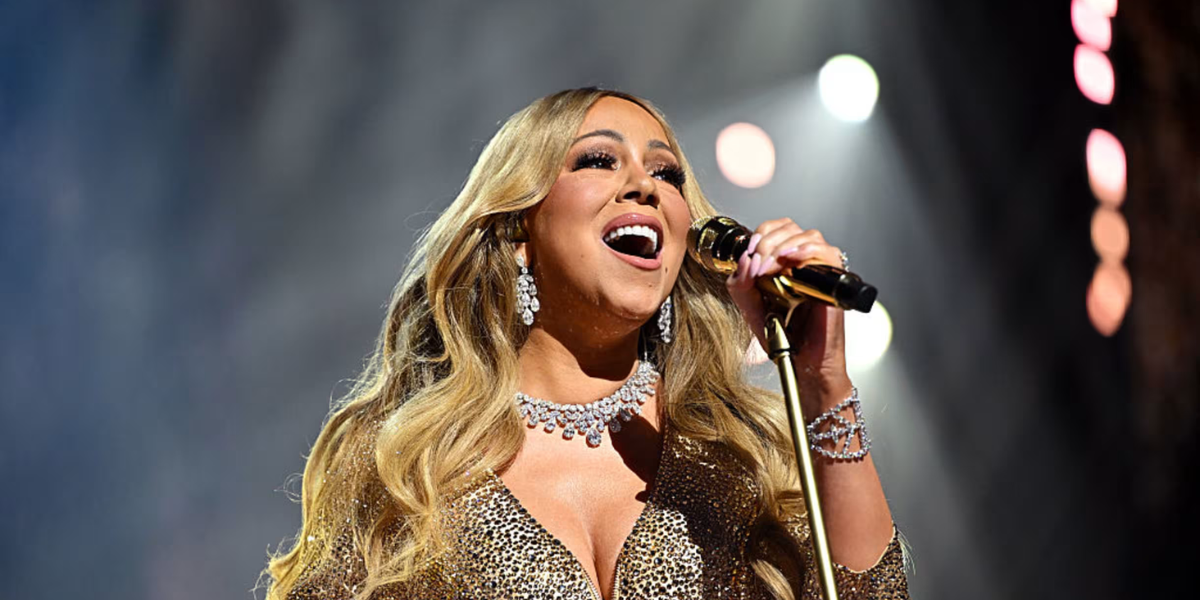
"I always knew... from the time I was a little girl that I was going to make it."
Confidence often gets mistaken for arrogance. But when Mariah Carey says those words, they don't sound like ego—they sound like survival.
In a candid conversation with Kiki Palmer, the five-time Grammy winner opened up about much more than her new album Here For It All. She reflected on childhood adversity, creative freedom, motherhood, industry politics, and the difficult work of remaining authentic after spending decades at the centre of global fame.
For entrepreneurs, founders, and creatives, her story offers something more valuable than celebrity insight. It provides a blueprint for building a career that lasts—not because you chase trends, but because you continuously return to who you really are.
Belief Comes Before the Breakthrough
Long before selling more than 200 million records, Carey was simply an eighteen-year-old waiting for her first record deal.
She remembers crying on her eighteenth birthday because success hadn't arrived yet. But there was one belief she never questioned.
Her mother had taught her one simple lesson:
"Don't say if I make it. Say when I make it."
That subtle shift in language became a mindset.
Founders spend years hearing "no." Products fail. Investors pass. Customers disappear.
The entrepreneurs who survive aren't always the most talented—they're the ones who refuse to let temporary circumstances rewrite their long-term identity.
Mariah didn't know exactly how she'd succeed.
She simply decided that she would.
Protect Your Intellectual Property Before Anyone Else Will
One of the most surprising moments from the interview came when Carey revealed that, at just eighteen, she turned down an offer of $5,000 for every song she'd written.
Why?
Because she'd learned one lesson from watching documentaries about legendary artists:
Never sell your publishing.
She believed her songwriting would become her greatest asset.
She was right.
Today, founders face a similar decision every day.
Are you building something you own—or something you're simply being paid to create?
Whether it's software, content, intellectual property, or a personal brand, ownership compounds far longer than short-term income.
The biggest cheque isn't always the best deal.
Success Doesn't Mean Freedom
From the outside, Mariah Carey appeared to have everything.
Number-one albums.
Awards.
Worldwide fame.
Yet behind the scenes, she describes living inside an intensely controlling environment where her image, decisions, and even personal freedom were managed by others.
One moment from the interview stands out.
When asked when she finally felt like herself, she didn't mention awards or sales.
She pointed to her 1997 album Butterfly.
That was the first time she felt she could truly write the music she wanted to make.
For entrepreneurs, this distinction matters.
There's a difference between:
- Building a successful business.
- Building a business that actually reflects who you are.
Many founders spend years chasing revenue only to realise they've built a company they no longer enjoy running.
Revenue without autonomy isn't freedom.
It's simply a different kind of employment.
Reinvention Isn't Strategy—It's Growth
Brands often treat reinvention as a marketing exercise.
New logo.
New colours.
New messaging.
Carey views it differently.
She explained that her different "eras" weren't carefully manufactured—they were simply reflections of who she had become at different stages of life.
Butterfly.
The Emancipation of Mimi.
Now, Here For It All.
Each project represents personal evolution more than commercial positioning.
The lesson is simple.
Your brand should evolve because you evolve.
Not because the algorithm tells you to.
Great Work Takes Time
When discussing today's music industry, Carey admitted she sometimes feels modern music resembles "fast food."
Not because today's artists lack talent.
But because the systems surrounding creativity have changed.
Budgets have shrunk.
Artist development has disappeared.
Everything moves faster.
Entrepreneurs know this pressure well.
Ship faster.
Post more.
Launch again.
Optimise.
Repeat.
But timeless work rarely comes from operating at maximum speed.
It comes from giving ideas enough room to mature.
That's why some businesses create momentum for months.
Others create influence for decades.
Motherhood Redefined Success
Perhaps the most human moments arrived when the conversation turned to her twins.
Rather than speaking about milestones, Carey talked about moments.
Watching them come on stage during her Christmas shows.
Hearing her daughter quietly sing one of her songs.
Simply being together as a family.
When asked what she hopes her children will one day say about her, she didn't mention music.
She answered:
"Hopefully they say that I always cared for them and loved them deeply."
That's legacy.
Not followers.
Not awards.
Not revenue.
The people closest to you become the ultimate scoreboard.
Your Brand Is Bigger Than Your Product
Few artists have built a cultural identity as distinctive as Mariah Carey.
She didn't deliberately set out to become "The Queen of Christmas."
The audience created that narrative.
She simply embraced it.
That's an important distinction for entrepreneurs.
Brands aren't created solely by marketing teams.
They're co-created with customers.
The strongest personal brands emerge when people consistently associate you with a particular feeling, experience, or value.
You don't declare your legacy.
Your audience does.
The Final Lesson: Stay Here for It All
The title of Carey's latest album isn't accidental.
Here For It All reflects a willingness to embrace every chapter—the victories, heartbreak, reinventions, and uncertainty.
Entrepreneurship demands the same posture.
There will be moments where everything clicks.
There will also be moments where nothing makes sense.
The founders who endure aren't those who avoid hardship.
They're the ones who continue creating through it.
Mariah Carey has spent more than three decades navigating an industry famous for discarding talent after one hit.
Yet she remains culturally relevant because she never stopped writing, evolving, protecting her work, or believing in herself—even when the industry made that difficult.
That's a lesson every entrepreneur should remember.
Because the goal isn't simply to build something successful.
It's to build something that's unmistakably yours.
Key Takeaways for Entrepreneurs
- Protect what you create. Ownership is one of your greatest competitive advantages.
- Don't confuse success with freedom. Build a business you actually want to run.
- Reinvent from authenticity, not trends. Sustainable brands evolve alongside their founders.
- Create work that lasts. Fast growth is exciting, but timeless value compounds.
- Measure legacy differently. The impact you have on people matters more than the awards you collect.
Paul Graham’s Startup Advice for the AI Era: Ship Fast, Stay Ambitious, Get What You Want