Peter Yang’s AI-First Playbook: How to Do a Team’s Work With AI
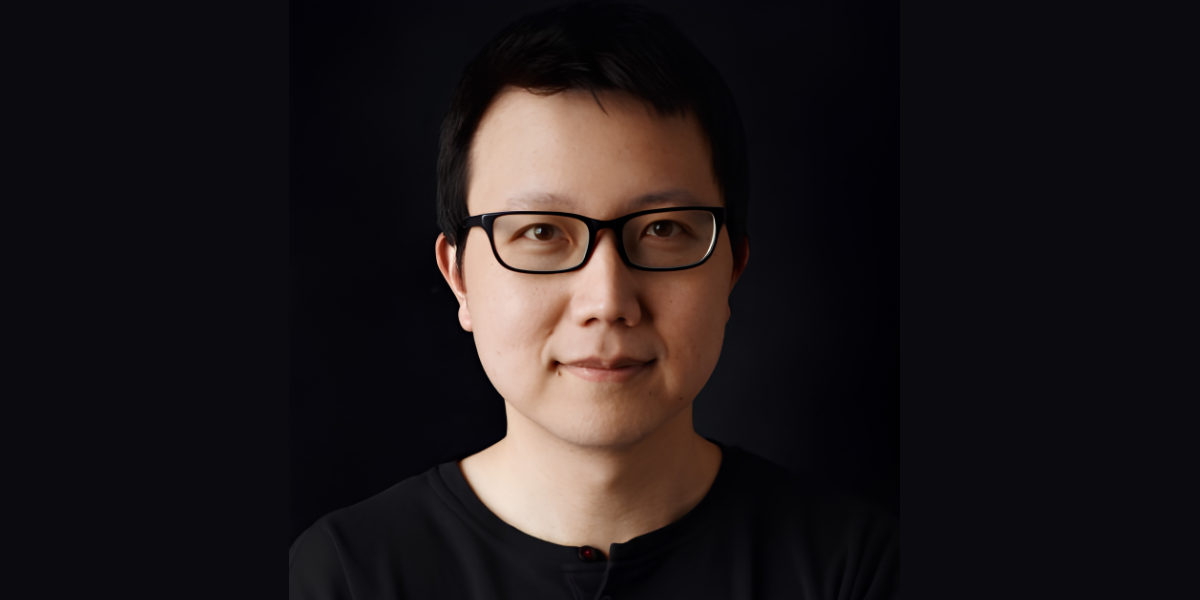
Based on insights shared by Peter Yang, former product leader at Meta, Reddit, and Roblox, in a recent podcast interview discussing AI workflows, skills, agents, and the future of solopreneurship.
The New Competitive Advantage Isn't More People. It's Better Systems.
A year ago, Peter Yang was living a familiar knowledge-worker reality: endless meetings, competing priorities, and an overflowing workload.
Today, he runs a newsletter with more than 140,000 subscribers, produces content across multiple platforms, manages sponsorships, analyzes performance, and develops new products—without a traditional full-time team.
His secret isn't working harder.
It's building an AI-first operating system.
What's particularly interesting isn't the technology itself. It's the mindset shift behind it. While most professionals still use AI as a smarter search engine, Yang treats AI as a workforce.
That distinction changes everything.
The Biggest Mistake Most People Make With AI
Most users remain stuck at what Yang calls "Layer One."
They open ChatGPT, ask a question, get an answer, and move on.
Useful? Absolutely.
Transformative? Not really.
Yang argues that real leverage begins when AI moves from answering questions to executing workflows.
Instead of asking:
"Can you help me write a social media post?"
He asks:
"Can you take this content, transform it into platform-specific formats, apply my writing style, incorporate successful historical examples, and publish it across multiple channels?"
That's the difference between using AI as a tool and using AI as infrastructure.
The Five Layers of AI Adoption
One of the most valuable frameworks from the conversation was Yang's five-layer model for AI maturity.
Layer 1: Everyday Answers
Most people are here.
Using ChatGPT or Claude to answer questions, brainstorm ideas, or solve simple problems.
Helpful—but limited.
Layer 2: AI for Daily Work
This is where AI starts saving meaningful time.
Users build projects, organize knowledge, and create repeatable processes.
However, there's still a lot of manual work:
- Copying outputs
- Moving information between tools
- Reformatting content
- Managing workflows manually
Layer 3: AI-Powered Prototyping
Instead of writing long documents describing ideas, professionals build working prototypes.
Product managers, founders, and creators can rapidly test concepts before investing significant resources.
Layer 4: Building Personal Applications
This isn't necessarily about launching a startup.
It's about creating tools that solve your own problems.
Yang described building:
- A fitness tracking app
- Health monitoring workflows
- Email scam detection systems
Not because millions needed them.
Because he did.
Layer 5: AI as Your Personal Agent
This is where things get interesting.
At this level, AI doesn't simply assist work.
It performs work.
Workflows become automated, connected, and continuously improving.
This is where Yang spends most of his time.
The Real Power of Skills
One of Yang's most practical insights is surprisingly simple:
A skill is just a text file.
That's it.
No complex infrastructure.
No engineering team.
No enterprise software.
Just instructions.
He creates skills for:
- Newsletter editing
- Podcast preparation
- Post-production workflows
- Social media distribution
- Business strategy reviews
- Sponsor management
- Personal advising
Each skill contains context, rules, preferences, and examples.
Over time, these skills become specialized experts.
Instead of repeatedly explaining how he wants something done, the knowledge lives inside the system.
The result?
AI becomes increasingly personalized.
And increasingly useful.
Why Every Entrepreneur Needs an AI Advisor
Perhaps the most intriguing workflow Yang shared wasn't related to content creation at all.
It was his personal advisor.
The advisor references a document containing:
- Goals
- Principles
- Business positioning
- Energy drivers
- Energy drains
- Strategic priorities
This transforms AI from a generic assistant into something much more valuable:
A decision-making partner.
Imagine asking whether to launch a new product, attend an event, or pursue a partnership.
Instead of giving generic advice, the system evaluates the decision against your personal principles and long-term objectives.
For founders constantly battling opportunity overload, that's a powerful advantage.
As Yang explained, one of his guiding principles is:
Keep the main thing the main thing.
His AI advisor actively reinforces that principle whenever new opportunities arise.
Why the Future Belongs to Solopreneurs
One of the most compelling themes throughout the interview was Yang's belief that we're entering the era of the solopreneur.
Historically, growth required people.
More customers meant more employees.
More complexity meant more managers.
AI is beginning to break that equation.
Tasks that previously required:
- Assistants
- Coordinators
- Analysts
- Researchers
- Content teams
can increasingly be handled through intelligent workflows.
That doesn't mean humans disappear.
It means entrepreneurs spend more time on the work that creates energy:
- Strategy
- Creativity
- Relationships
- Building
And less time on repetitive execution.
The Warning: Don't Create AI Slop
Despite being one of AI's strongest advocates, Yang repeatedly emphasized a critical point:
Human judgment still matters.
A lot.
He estimates that AI can often handle 90% of the work.
But the final 10% requires taste.
That last layer includes:
- Editing
- Context
- Emotional nuance
- Strategic judgment
- Original thinking
Without it, content becomes generic.
Or worse, what Yang calls "slop."
As AI-generated content floods the internet, human discernment may become more valuable—not less.
The winners won't be the people who automate everything.
They'll be the people who automate intelligently.
The Action Plan for Entrepreneurs
If you're feeling overwhelmed by AI, Yang's recommendation is refreshingly straightforward:
Step 1
Move beyond simple chat interfaces.
Start using AI tools that can execute workflows, connect to systems, and maintain context.
Step 2
Document your workflows.
Identify repetitive tasks you've performed repeatedly over the last week.
Step 3
Turn those workflows into skills.
Capture instructions once instead of repeating them forever.
Step 4
Continuously improve.
After every interaction, refine the system.
Teach it.
Update it.
Make it smarter.
Step 5
Protect the human layer.
Keep ownership of strategy, judgment, creativity, and values.
That's where your edge lives.
Final Thought
The most powerful idea from Peter Yang's playbook isn't that AI can replace work.
It's that AI can remove the work standing between you and your highest-value contribution.
The future may not belong to the biggest teams.
It may belong to the people who build the best systems.
And increasingly, those systems will be powered by AI.

How Ben Goodwin Built OLIPOP by Turning a Personal Health Journey Into a Mission-Driven Brand