Tracee Ellis Ross Says Your Life Is Yours. Here's Why That Changes Everything
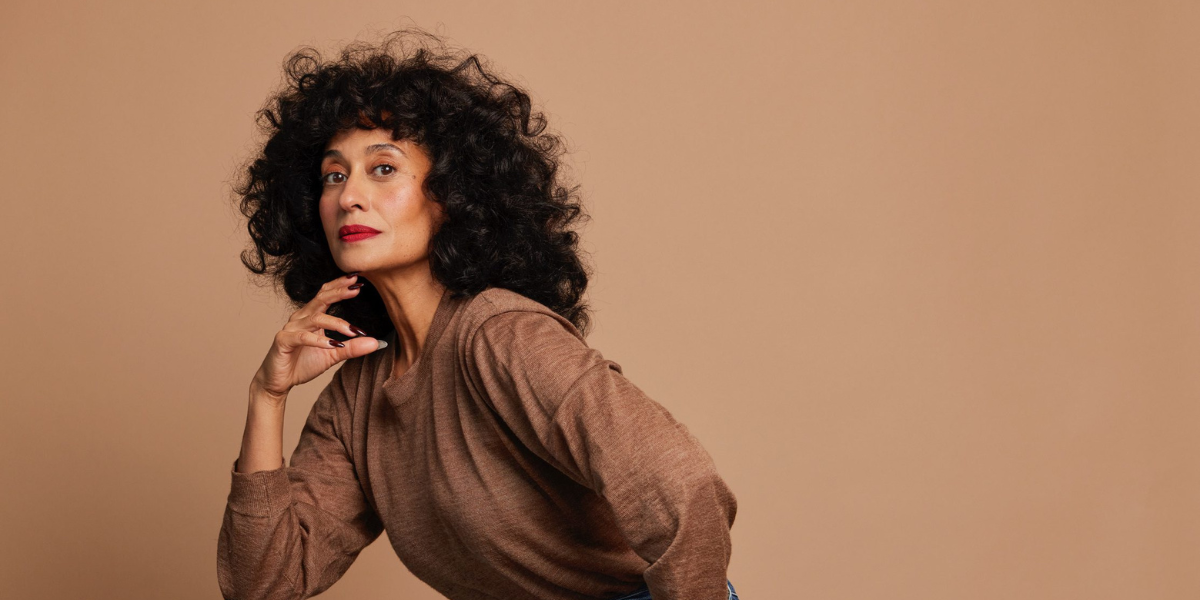
*In a live conversation on NPR's Wild Card with Rachel Martin, actor, entrepreneur, and Pattern Beauty founder Tracee Ellis Ross shared something more valuable than career advice. She offered a framework for living—and leading—that challenges one of society's oldest assumptions: that fulfillment comes from being chosen by someone else.*
For entrepreneurs, that idea hits especially hard.
Every founder spends years seeking validation—from investors, customers, employers, audiences, or the market itself. But the entrepreneurs who endure eventually discover a difficult truth: building a meaningful business begins by choosing yourself long before anyone else does.
That lesson sits at the heart of Ross's remarkable conversation.
The Most Important Decision She Ever Made
Ross recalled being one of the few Black girls in her friend group during elementary school. She noticed people staring at her.
She had a choice.
She could believe she was being judged because she was different.
Or she could decide something else entirely.
"I remember making a very clear decision... that they were staring at me because I was gorgeous."
She admits that confidence wasn't permanent. Society still affected her. Modeling critiques, beauty standards, racism, sexism, and self-doubt all found their way into her life. But that childhood decision became an anchor.
It wasn't denial.
It was agency.
Entrepreneurship requires similar moments.
Markets don't always validate you. Customers don't immediately understand your product. Friends question your decision to leave a stable career.
Eventually you have to decide what the evidence means.
Does rejection prove you're incapable?
Or is it simply part of building something worthwhile?
The stories we choose become the businesses we build.
Stop Waiting to Be Chosen
Perhaps the most profound idea Ross shared came from reflecting on her years starring as Joan Clayton on Girlfriends.
For eight seasons, her character constantly searched for romantic validation—waiting to be chosen.
Ross realized that after playing that role for so long, she had internalized part of that narrative herself.
She had to consciously unlearn it.
Instead, she embraced a radically different philosophy:
"I can be the chooser."
That shift transformed how she viewed every aspect of her life.
"My life is mine," she explained. "My body is mine. My ideas can be mine."
For women especially, Ross acknowledges that this mindset can feel revolutionary.
For entrepreneurs, it's equally transformative.
Too many founders wait for permission.
Permission to launch.
Permission to raise prices.
Permission to call themselves CEOs.
Permission to write the book, start the podcast, or build the company.
The founders who create lasting businesses don't wait for selection.
They choose.
Solo Travel Is Really About Ownership
Ross's CNN series Solo Traveling with Tracee Ellis Ross isn't actually about travel.
Not really.
"It's about an internal experience," she explained.
Can you enjoy your own company?
Can you become responsible for your own happiness?
Can you stop waiting for another person, another circumstance, or another milestone before living the life you want?
Those questions extend far beyond vacation planning.
Entrepreneurship is often lonely.
There are no guarantees.
No manager telling you you're doing well.
No promotion validating your progress.
The founders who thrive learn to become their own source of encouragement without becoming isolated.
Ross's perspective reframes solitude as practice.
Being alone isn't the goal.
Knowing yourself is.
Luxury Isn't What You Buy
One of the interview's most unexpected insights came when Ross challenged conventional ideas about luxury.
Yes, she travels beautifully.
But luxury, she insisted, isn't defined by price tags.
It's defined by attention.
"Luxury is the time and the space that you give yourself."
That's an uncomfortable idea in startup culture.
Founders often wear exhaustion as a badge of honor.
Calendars become status symbols.
Sleep becomes optional.
Speed becomes identity.
Ross offered a different measurement of success.
She shared one question she regularly asks herself:
"How did you honor yourself today?"
Imagine ending every workday with that question instead of asking how many emails you answered or how many meetings you attended.
Productivity matters.
But sustainable entrepreneurship requires self-respect just as much as execution.
Move at the Pace of Your Nervous System
Another lesson came from an unexpected source: Black-ish co-star Anthony Anderson.
Ross described racing from her trailer to set each day, anxious about making people wait.
Anderson walked calmly.
When she asked why he wasn't hurrying, he replied:
"They can't start until we get there."
He wasn't being arrogant.
He was simply refusing unnecessary urgency.
Ross says she now reminds herself to:
"Move at the pace of my nervous system instead of the demands of my day."
That's advice every entrepreneur should tape above their desk.
Urgency has become addictive in modern business.
Slack messages feel like emergencies.
Notifications masquerade as priorities.
Constant motion creates the illusion of progress.
But leaders make better decisions when they aren't operating in perpetual fight-or-flight mode.
Sometimes slowing down is the fastest path forward.
Confidence Is Built Through Action, Not Certainty
Ross openly admitted that she regularly walks into situations where she's "over her head."
Hosting live award shows.
Recording music for The High Note despite years of avoiding singing professionally.
Launching new ventures.
She doesn't wait until fear disappears.
She simply moves anyway.
Every uncomfortable experience expands who she becomes.
That pattern mirrors nearly every entrepreneurial success story.
Founders don't become confident before launching.
They become confident because they launch.
Confidence is rarely the prerequisite.
It's the outcome.
The Quiet Power of Choosing Yourself Every Day
Near the end of the interview, Ross shared perhaps the simplest truth guiding her life.
When things become difficult, she tells herself:
"You're okay."
Not because everything is perfect.
Not because she has all the answers.
But because she's committed to staying on her own side.
She described getting back into her car after a long day and saying aloud:
"You did good today."
It sounds almost too simple.
Yet entrepreneurs spend years searching for external validation while forgetting the one voice they'll hear every single day: their own.
Self-belief isn't motivational fluff.
It's operational infrastructure.
Every difficult decision, failed launch, investor rejection, hiring mistake, or uncertain season tests that relationship.
Your business can only grow as sustainably as your relationship with yourself.
The Entrepreneur's Takeaway
Tracee Ellis Ross didn't spend her interview discussing revenue, branding, or scaling companies.
She talked about identity.
And identity quietly shapes every entrepreneurial decision.
Before customers choose your business...
Before investors choose your company...
Before the market chooses your product...
You have to choose yourself.
Not once.
Every single day.
Because the entrepreneurs who build extraordinary companies aren't simply waiting for opportunity.
They're building lives—and businesses—that already belong to them.
Unlocking Leadership Potential: Rachel Honoway’s Blueprint for Transformative Success