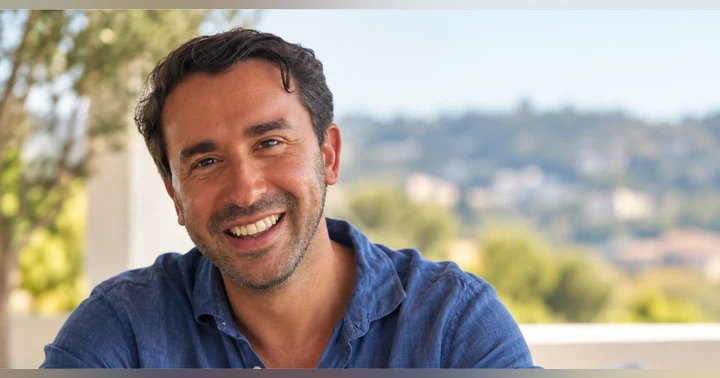
Why Zynga Founder Mark Pincus Believes the Best Time to Build Consumer AI Is When Everyone Says Not To
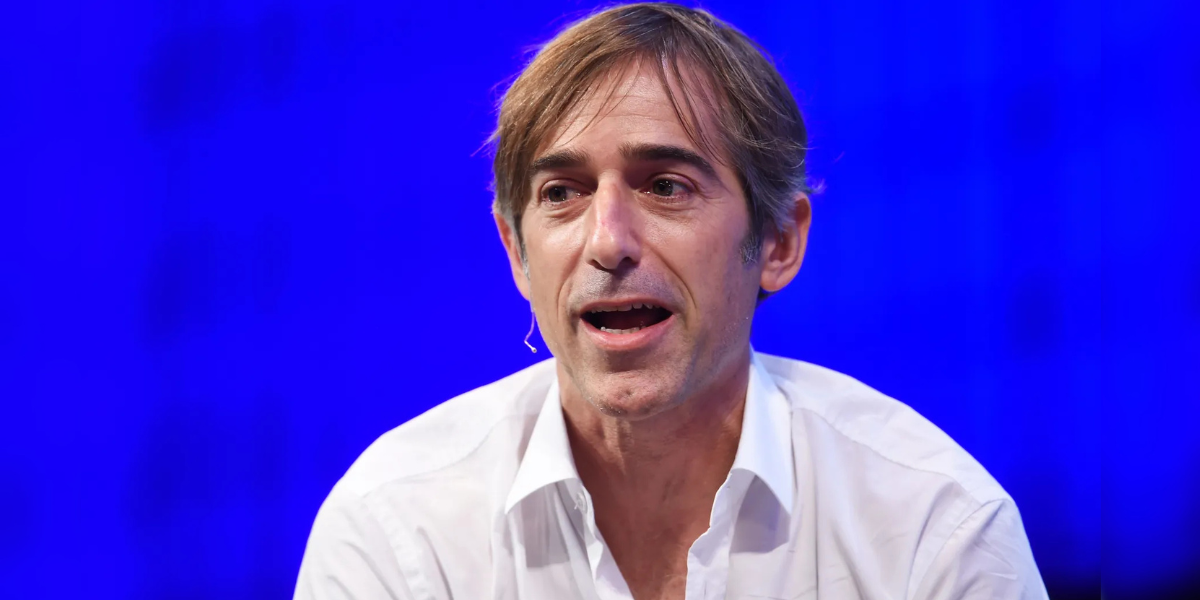
"Even though consumer is arguably not investable right now, the opportunity has never been greater." — Mark Pincus
Conventional wisdom says don't build a consumer startup.
Venture capital is pouring billions into enterprise AI. Investors want SaaS, developer tools, and infrastructure. Consumer products? Many VCs view them as risky, expensive to acquire users for, and difficult to monetize.
Mark Pincus thinks that's exactly why founders should pay attention.
During a recent conversation with YC's Garry Tan, the Zynga founder argued that today's lack of enthusiasm for consumer startups resembles previous technology cycles. History suggests that the companies everyone wishes they had invested in are often built during the periods when nobody wants to fund them.
For entrepreneurs looking for their next opportunity, Pincus' message is surprisingly optimistic: the next generation of iconic internet companies may be built over the next few years—not despite AI, but because of it.
Every Technology Wave Looks Impossible Before It Looks Obvious
Mark Pincus has lived through multiple technology revolutions.
He built companies during the early web, witnessed the birth of social networking, helped pioneer social gaming with Zynga, and now believes AI represents another foundational platform shift.
Looking back, he admits even experienced founders consistently underestimate how large new markets eventually become.
When social networking emerged, very few people imagined it would reshape communication, entertainment, commerce, and politics.
Today, AI feels remarkably similar.
The technology is impressive, but many people still think of it as a productivity tool rather than a platform capable of creating entirely new consumer experiences.
Pincus believes that's a mistake.
Instead of asking how AI improves existing software, founders should ask:
What products become possible when intelligence becomes as accessible as electricity or running water?
Consumer Isn't Dead—It's Simply Early
One of the most surprising insights from the interview is Pincus' belief that consumer startups aren't suffering from lack of opportunity.
They're suffering from timing.
Today's AI models remain relatively expensive to operate. Truly magical AI experiences often require significant compute costs, making it difficult to build profitable mass-market products.
But technology rarely stays expensive forever.
Pincus compares today's AI infrastructure to the early internet.
In the late 1990s, billions were invested in internet infrastructure long before consumers experienced its full benefits. Companies like Amazon only began demonstrating sustained growth years after many investors had declared the internet boom over.
He believes AI may follow a similar trajectory.
When intelligence becomes dramatically cheaper—and effectively unlimited—entire categories of products will become economically viable overnight.
The founders already experimenting today will have a significant head start.
Build for Where Technology Is Going—Not Where It Is
One of Pincus' most compelling mental models is to imagine a future where AI compute is essentially free.
Instead of designing products around today's constraints, ask:
- What would this app look like if intelligence cost almost nothing?
- Which everyday services could be reinvented?
- What experiences would become obvious?
He points to the smartphone itself as evidence.
Half of the apps on our phones today are still relatively generic: notes, camera, weather, calendar, maps.
Pincus believes AI will transform many of these "finished" categories into entirely new experiences.
He calls them "internet treasures"—products that become so useful we eventually forget life before they existed.
Google became one.
Uber became one.
Airbnb became one.
ChatGPT is quickly becoming another.
The next generation hasn't been invented yet.
The Proven, Better, New Framework
One of the central ideas from Pincus' new book, Life at the Speed of Play, is a product framework he calls Proven, Better, New.
Instead of trying to reinvent everything simultaneously, founders should separate innovation into three categories.
Proven: Copy what already works.
If customers already understand certain workflows or features, don't waste time redesigning them.
Better: Improve obvious pain points.
Make it faster.
Cheaper.
Simpler.
These improvements shouldn't require customer education.
New: Introduce one bold hypothesis.
This is the experimental idea that differentiates the product.
Importantly, Pincus encourages founders to assume this "new" idea will probably fail.
That's not pessimism.
That's disciplined experimentation.
Rather than becoming emotionally attached to a feature, teams should rapidly test hypotheses while preserving everything that already works.
Great Founders Kill Their Own Ideas
Perhaps the most valuable lesson wasn't about AI at all.
It was about ego.
Pincus describes one of the hardest moments every founder eventually faces:
You've convinced investors.
Your team has spent months building.
Everyone believes in the roadmap.
But deep down, you suspect the product isn't quite right.
Do you continue because everyone expects you to?
Or do you pivot?
His answer is simple but difficult:
Detach your identity from any single product idea.
Stay passionate about the mission.
Remain flexible about the implementation.
The companies that survive aren't necessarily those with the best first idea.
They're the ones willing to repeatedly abandon ideas that aren't creating genuine excitement.
Founder Mode Is Permission to Trust Yourself
Pincus also expanded on the increasingly popular concept of Founder Mode.
For him, it isn't about micromanagement.
It's about refusing to become merely an "expert witness" inside your own company.
Too many founders gradually surrender decision-making to boards, executives, or investors until they no longer recognize the business they created.
Instead, founders should remain deeply connected to their customers, products, and instincts while creating a culture where changing direction isn't seen as failure—it is expected.
That requires intellectual honesty from everyone involved.
Teams must feel safe saying:
"This isn't working."
"We learned something."
"We should change course."
Without that environment, companies slowly optimize products nobody truly believes in.
Why Today's Best Startup Ideas May Look Wrong
History rewards founders willing to look early.
When Amazon kept investing after the dot-com crash, many thought the opportunity had disappeared.
When Facebook expanded beyond college campuses, few predicted billions of users.
Today, consumer AI faces similar skepticism.
Investors often recommend enterprise software because distribution appears easier.
Pincus sees something different.
He sees an entire generation of consumer products waiting for AI costs to fall.
That future may still be a few years away.
But the founders building today won't be starting then.
They'll already understand the technology, the customer problems, and the product experiences that matter.
As Pincus suggests, the biggest opportunities rarely appear when everyone agrees they're obvious.
They emerge when almost nobody believes they exist.
For entrepreneurs, that may be the strongest signal of all.
Danny Meyer’s Entrepreneurial Playbook: Turn Mistakes Into an Advantage