Breaking Barriers: How Marc Broidy Tackled De-Banking in Challenging Geographies
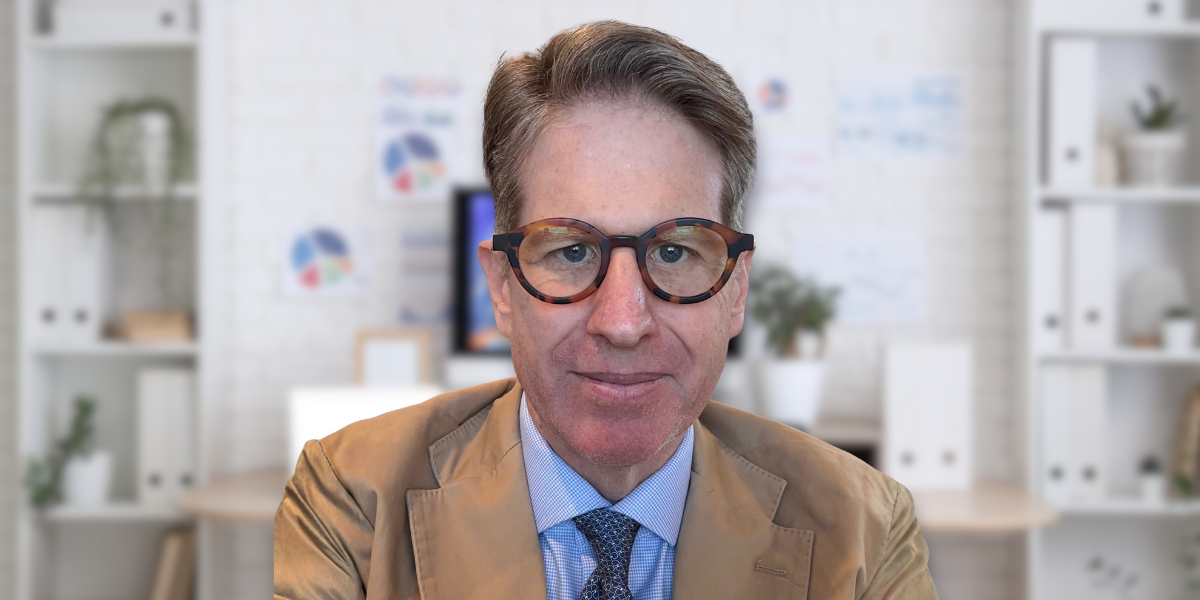
Marc Broidy’s journey from theatre management to the helm of Paradeplatz Holdings is a testament to embracing the entrepreneurial spirit. Transitioning from corporate confines to launching his own consulting firm, Marc has carved a niche in empowering non-profits with tailored solutions. This Wantrepreneur to Entrepreneur Spotlight reveals how a pivotal referral solidified his vision, and how personal setbacks fueled a profound transformation. Marc's innovative approach to international finance for NGOs underscores his commitment to impactful change. His story highlights resilience, collaboration, and the courage to redefine pathways in the face of adversity.
Hi, Marc! Thanks for joining us today. Tell us about your business. Who do you serve, how do you serve them, and what's the impact that your business and work makes?
At Paradeplatz Holdings, under the direction of our founder Marc Broidy, our mission is to provide exceptional for and not-for-profit consulting services that empower our clients to achieve their business goals and outcomes. We deliver customized solutions that meet the unique needs of each client. Having worked with multiple national and international non profit organizations, we can provide advice from formation to board governance, operations, HR, advancement, treasury services, tax and annual reporting, and governmental compliance. We believe in a collaborative approach to consulting, working closely with our clients to understand their needs and develop solutions together. Our goal is to build long-lasting relationships with our clients.
Tell us about the moment you finally felt like you went from wantrepreneur to entrepreneur.
The first set of referrals from an existing client reaffirmed both the vision and the business strategy for the company.
Describe the moment or period in your life/career that motivated you to make the entrepreneurial leap.
Even from my humble beginnings as a student and practitioner of theatre management and lighting design, live performance ingrains in practitioners a sense of the entrepreneurial spirit. Following a lengthy stay within the corporate world, I knew that the entrepreneurial environment was a far better fit for me. Due to a combination of factors - including a consequential life lesson, I knew that the entrepreneurial path was a better fir for me.
Describe a tool, service, or software that has been a game-changer for your business. How does it contribute to your success?
I have conceptualized an unbundled approach for international finance operations on behalf of global non-profits that resolves the current constrains and de-banking experienced by NGO's and NPO's by domestic (US) financial firms on those organizations working in politically or militarily difficult geographies.
We know that success is very often a non-linear path. Tell us about a failure, pivot point, or lesson that changed your course or direction and helped to get you where you are today.
As I referred to and we spoke about during the my interview, I was responsible for a failure; both professional and personal, which caused me to have to reexamine and reevaluate everything about myself outwardly and inwardly. Through that failure, the consequences, and the work I did on myself developmentally and psychologically - I have reemerged a psychologically more resolved individual - allowing me to perform even better in all areas of my life.
What unconventional strategy did you employ that significantly impacted your business?
I took an area of finance (International NGO's and NPO's) that Big Banks like to try and compete in and was able to demonstrate a way to serve end clients in a way in which they could no longer support. And then with my team delivered successfully for multiple clients.
What’s something you wish you knew sooner that you’d give as advice for aspiring or newer entrepreneurs?
Be excellent in your craft (now your lines), be respectful of people's time (be onetime), be respectful (be polite and grateful); and don't tolerate managers and superiors who are bad at their job, who don't support their team, and/or abusive.
Want to dive deeper into Marc's work? Check out the links below!
- Visit Paradeplatz Holdings' website: paradeplatzholdings.com/
- Visit Marc Broidys' website: marcbroidy.org/
- Connect with Marc Broidy on LinkedIn: Marc Broidy
- Follow Marc Broidy on Instagram: @90210onthego
- Subscribe to Miles & Marc: @MilesandMarc
The Power of Purpose: How Alejandro Guzmán Blends Marketing with Impact