From 0 to Six Figures: The YouTube System That Actually Drives Revenue

In an interview with Nathan Barry, Tintin Smith—former Head of YouTube for Ali Abdaal—pulls back the curtain on what actually drives a million-dollar YouTube business.
Not viral hits.
Not subscriber count.
Not even AdSense.
Instead, it’s something far less glamorous—and far more powerful:
“You don’t rise to the level of your goals. You fall to the level of your system.”
This is the story—and the system—behind channels that quietly turn content into six and seven-figure businesses.
The Myth: You Need Millions of Subscribers
Most wantrepreneurs fixate on one number: subscribers.
But Smith dismantles that assumption immediately.
He’s seen creators generate seven figures with as few as 50,000 subscribers, and in some cases, even less.
Why?
Because revenue isn’t driven by audience size—it’s driven by audience quality + offer alignment.
Take Arman Manaz’s example:
A YouTuber helping software engineers land high-paying jobs.
- Audience: small but high-income
- Offer: premium coaching
- Result: 7-figure revenue at ~50–60K subscribers
The takeaway is simple but uncomfortable:
A small, intentional audience beats a large, passive crowd.
The Real Business Model: YouTube Is the Top of the Funnel
Ali Abdaal’s business is a perfect case study.
- ~$5M/year in revenue
- Majority from his own products (courses, programs)
- YouTube = primary traffic engine
Ad revenue? Secondary.
In fact, Smith breaks down the math:
- ~1M views = ~$5,000 in AdSense
- Same 1M views with a strong offer? Potentially $100K+
That’s the shift:
From monetizing views → to monetizing trust.
The Core Insight: You’re Not Building Videos—You’re Building a System
Most creators operate like this:
- Come up with an idea
- Film it
- Edit it
- Hope it works
But high-performing channels flip the model.
They operate on a repeatable production system.
Here’s the simplified version:
1. Positioning & Strategy
- Who are you? (credibility, story)
- Who are you serving? (avatar)
- Where do you fit? (niche)
2. Ideation
- Generate lots of ideas
- Then filter based on what’s already working
“You don’t get to good ideas by focusing on a few—you get there by generating tons.”
3. Packaging (Titles & Thumbnails)
This is where most creators fail.
If no one clicks, nothing else matters.
4. Scripting & Planning
- Script the first 30 seconds word-for-word
- Align with title/thumbnail promise
- Plan calls-to-action and lead magnets
5. Filming
- Batch content (at least 2 videos per session)
- Build a repeatable rhythm
6. Editing (Outsource This)
- Low-leverage for founders
- High ROI when delegated
7. Analytics & Optimization
- Track not just views—but leads and sales
- Double down on what converts
The 80/20 of YouTube (That Almost Everyone Gets Wrong)
Most creators spend their time here:
- Filming
- Editing
- Tweaking minor details
But Smith is clear:
The real leverage is in the first four steps—before you ever hit record.
That means:
- Better ideas > better editing
- Better positioning > more content
- Better packaging > more effort
This is why some creators with simple, minimally edited videos outperform highly produced channels.
From Videos to Assets: The “Bingeable Library” Strategy
Instead of chasing virality, the goal is:
Build a library of content around one transformation.
Each video becomes:
- A discovery point
- A trust builder
- A lead generator
Over time, your channel turns into a compounding asset.
“The goal isn’t to go viral. It’s to build a bingeable library that helps people go from A to B.”
What Founders Should (and Shouldn’t) Do
Focus on:
- Filming (your unique leverage)
- Strategy & positioning
- Ideation
- High-level performance review
Avoid:
- Editing
- Thumbnail design
- Admin work
- Micromanaging details
This is about staying in your zone of highest leverage.
The Timeline Most People Underestimate
One of the biggest mistakes?
Expecting results too quickly.
Smith’s benchmark:
- 0–3 months: Build the system
- 3–6 months: Start seeing traction
- 6+ months: Evaluate performance seriously
And the real mindset shift:
This is a multi-year game.
The Turning Point: When Systems Replace Guesswork
One of Smith’s clients implemented this system—and her first optimized video hit 200,000+ views overnight.
Same creator.
Same knowledge.
Different system.
That’s the leverage.
Final Thought: Systems Scale, Hustle Doesn’t
If you’re still thinking:
“I just need to work harder on content…”
You’re playing the wrong game.
The creators building real businesses on YouTube aren’t working harder.
They’re working through systems that:
- Turn ideas into assets
- Turn viewers into leads
- Turn content into revenue
And once that system is in place?
Every video becomes a compounding investment.
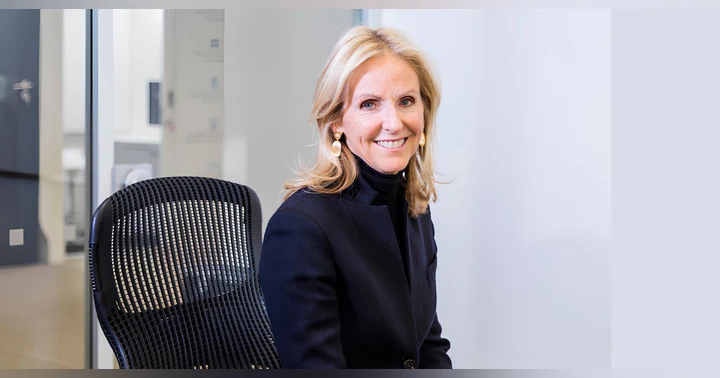
Annie Lamont’s Biggest Investing Lesson After 40 Years: Bet on the Founder, Not Just the Idea