Mark Zuckerberg’s Vision for the Future: AI, AR Glasses, and the Reinvention of Human Connection
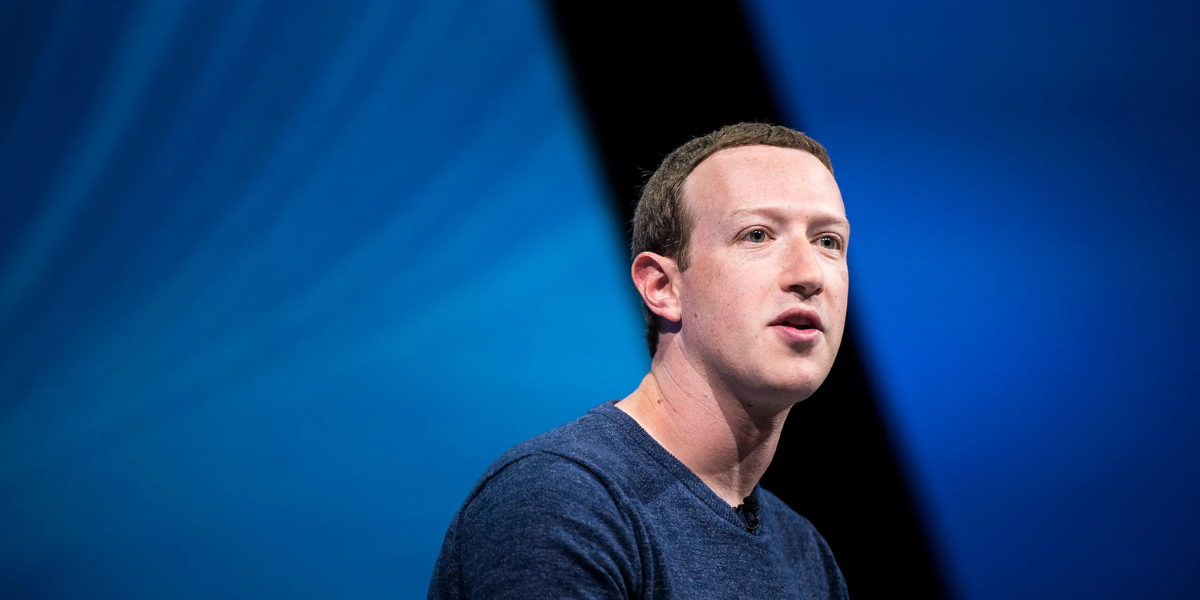
In a recent long-form interview, Meta CEO Mark Zuckerberg laid out a vision that feels equal parts science fiction and inevitable reality: a world where augmented reality glasses replace smartphones, AI becomes deeply personal, and digital interaction evolves into something that feels—almost—like real presence.
This isn’t a distant dream. It’s a 10-year build already underway.
“In a world where AI gets smarter and smarter, this is probably going to be the next major platform after phones.”
For entrepreneurs and builders, the question isn’t whether this future arrives—it’s how to position yourself before it does.
The Next Platform Shift Is Already in Motion
Zuckerberg frames computing as a series of platform shifts:
- Mainframes → Personal computers
- PCs → Smartphones
- Smartphones → AR glasses
The reason? Each shift makes technology more natural, social, and embedded in daily life.
Smartphones, despite their power, are still friction-heavy. They pull you out of the world. AR glasses aim to reverse that—bringing computing into your environment instead of pulling you into a screen.
Meta’s prototype glasses (the culmination of a decade of R&D) are designed to project holograms directly into your field of view. Not overlays. Not notifications.
Presence.
Imagine:
- Playing chess with a holographic opponent across the table
- Collaborating with a remote teammate as if they’re physically there
- Receiving real-time information layered seamlessly into your environment
This isn’t just a hardware upgrade. It’s a paradigm shift in how humans interact with technology—and each other.
The Two Pillars of Zuckerberg’s Future
Zuckerberg’s vision rests on two core ideas:
1. Presence: The Holy Grail of Social Technology
For 20 years, social platforms have tried to simulate connection—likes, comments, video calls.
But something has always been missing.
“There’s something really deep about being physically present with another person that you don’t get from any other technology today.”
AR and VR aim to close that gap.
Not perfectly—Zuckerberg admits haptics (touch) is still a major challenge—but enough to make digital interaction feel meaningfully real.
Interestingly, he notes that presence isn’t created by one breakthrough feature. It’s fragile.
“More than any one thing that provides a sense of presence, it’s actually more the case that any one thing done wrong breaks it.”
For founders, this is a powerful lesson:
Breakthrough experiences aren’t about one innovation—they’re about eliminating friction across the entire system.
2. Personalized AI: Context Is Everything
The second pillar is AI—but not in the abstract sense.
Zuckerberg is betting on deeply personalized AI systems that understand your context, environment, and preferences in real time.
And here’s the key insight:
Glasses are the ideal interface for this.
Why?
- They see what you see
- They hear what you hear
- They operate continuously in your environment
This creates a new layer of intelligence—one that isn’t just reactive, but situationally aware.
Think:
- Real-time translation during conversations
- Context-aware suggestions while working
- AI that helps you articulate thoughts or emotions
This isn’t just productivity. It’s cognitive augmentation.
The Paradox of Connection: More Tools, Fewer Friends
One of the most striking parts of the conversation isn’t about technology—it’s about people.
The interviewer points out a troubling trend:
- Fewer close friendships
- Less time spent socializing in person
- Rising loneliness
So how does Zuckerberg reconcile building more digital tools in a world already struggling with connection?
His answer is counterintuitive:
“The average person would like to have 10 friends and they have two or three.”
In other words, technology isn’t replacing connection—it’s attempting to fill a gap that already exists.
This reframes the role of tech entirely:
- Not a substitute for real relationships
- But a multiplier of access to connection
For example:
- You won’t spend less time with your spouse
- But you might spend more time with distant family or friends
For entrepreneurs, this is a critical lens:
The best products don’t replace human behavior—they expand it.
How AI Will Reshape Social Media (Again)
We’re already in the middle of one major shift:
From:
- Friend-based social networks
To:
- Creator-driven content ecosystems
AI accelerates this transition.
Zuckerberg outlines three major changes:
1. Better Content Creation (For Everyone)
AI will lower the barrier to creating engaging content:
- Auto-edited videos
- Smarter recommendations
- Enhanced creativity tools
Even casual users will produce higher-quality content.
2. AI-Generated Content
Entirely new formats will emerge:
- Personalized feeds generated for you
- AI-created entertainment
- Dynamic, adaptive storytelling
This raises a fundamental question:
What happens when content is no longer human-first?
3. AI Versions of Creators
One of the most fascinating ideas:
Creators building AI versions of themselves.
Not replacements—but extensions.
“It’s almost like a piece of digital art… something your community can interact with when you can’t be there.”
This unlocks scale in a way previously impossible.
For creators and entrepreneurs alike:
Your future audience may not just interact with you—but with versions of you.
The Real Skill for the Next Decade: Curiosity
With all this change, the natural reaction is anxiety.
Faster tools. Higher expectations. Constant evolution.
Zuckerberg doesn’t dismiss that concern—but he reframes it:
“The people who do well are people who are generally curious… and try to use it to live better lives rather than fight it.”
This might be the most actionable takeaway in the entire conversation.
Because while tools change, one advantage compounds:
Curiosity
Not technical expertise. Not credentials.
But the willingness to:
- Experiment
- Adapt
- Learn faster than the environment changes
The Open Question That Could Change Everything
Despite all the confidence, Zuckerberg ends on uncertainty.
The biggest unknown?
Whether AI progress will continue scaling—or hit a wall.
“We haven’t found the end yet.”
If it keeps scaling:
- We enter a decades-long wave of rapid innovation
If it stalls:
- Progress slows, and breakthroughs require new paradigms
Either way, the implication is clear:
We are still early.
What This Means for Wantrepreneurs
Zuckerberg’s vision isn’t just about Meta.
It’s a map of where opportunity is heading:
- New platforms (AR)
- New interfaces (AI + context)
- New behaviors (presence-driven interaction)
The winners won’t be those who predict the future perfectly.
They’ll be the ones who:
- Build early
- Learn fast
- Stay adaptable
Because the future isn’t something that arrives fully formed.
It’s something built—iteration by iteration—by people willing to engage with what’s coming.
And right now, that future is being shaped by a simple but powerful idea:
Technology shouldn’t pull us away from life. It should bring us closer to it.

From Supermodel to Founder: Cindy Crawford’s Lessons on Risk, Ownership, and Personal Brand