The Marketing Genius of Steve Stoute: Why Culture Beats Advertising Every Time
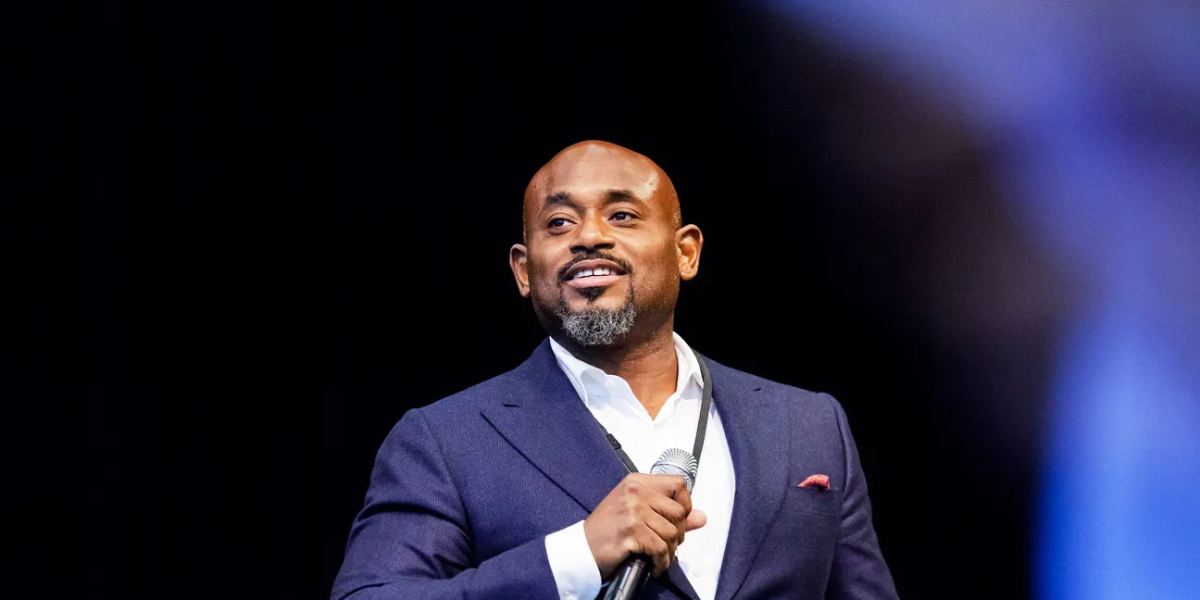
There are marketers who sell products.
Then there are marketers who change how the world thinks about marketing itself.
Steve Stoute belongs firmly in the second category.
Long before "creator economy," "brand authenticity," and "cultural marketing" became business buzzwords, Stoute was connecting hip-hop artists with Fortune 500 brands, helping companies understand that people don't buy products because of demographics—they buy because of identity, culture, and shared values.
In a recent interview on Founders, Stoute reflected on the unconventional decisions that transformed him from a successful music executive into the founder of Translation, one of the most influential cultural marketing agencies in America, and later UnitedMasters, a platform empowering independent artists through ownership. His story isn't just about marketing—it's about recognizing where the world is headed before everyone else does.
For entrepreneurs, it's a masterclass in seeing around corners.
Run Toward the Unknown
In 1999, Steve Stoute walked away from one of the hottest industries in America.
At the time, he was earning millions in the music business, working alongside icons like Jimmy Iovine and Dr. Dre. Most people assumed he'd launch his own record label.
Instead, he left.
Why?
Not because he predicted Napster or streaming with perfect clarity, but because he saw something more fundamental.
The music industry had become comfortable.
Executives were making enormous profits selling $17 CDs filled with one hit song and eleven forgettable tracks. Mediocrity was being rewarded because the business model insulated it.
"When an industry is booming," Stoute explains, "sometimes mediocre gets rewarded."
He recognized a timeless entrepreneurial truth: when an industry stops distinguishing between good and great, disruption isn't far behind.
Rather than cling to certainty, he made a decision that still defines his career.
"When the unknown is a better option than the known, run toward the darkness."
It's advice that applies far beyond music.
Founders often spend years protecting yesterday's success instead of building tomorrow's opportunity. Stoute chose discomfort over complacency—and built an entirely new career because of it.
Demographics Are Lazy. Culture Is Powerful.
When Stoute entered advertising, he immediately noticed something that felt broken.
Brands divided consumers into simplistic categories:
- Black
- White
- Hispanic
But culture didn't work that way.
Hip-hop had already taught him that.
DMX sold records in Iowa.
Eminem sold records in Harlem.
People weren't buying music because the artist looked like them—they were buying because they connected with the message, lifestyle, and identity surrounding it.
That insight became the foundation of Translation.
Instead of marketing to race, Stoute argued that companies should market around shared passions.
An 18-year-old skateboarder in Compton and an 18-year-old skateboarder in Connecticut may have completely different backgrounds—but they care about the same culture.
The shared interest matters more than the demographic label.
Today, this seems obvious.
Twenty-five years ago, it was revolutionary.
The Men in Black Lesson Every Founder Should Remember
One of Stoute's biggest entrepreneurial breakthroughs came from an unexpected place.
While overseeing the Men in Black soundtrack, he watched Will Smith's music video explode in popularity.
But something fascinated him even more than the song.
The sunglasses.
Millions of people suddenly wanted the same glasses Will Smith wore.
That's when Stoute asked a question few people in music were asking:
Why is everyone else making money from our cultural influence?
The record label sold albums.
The eyewear company sold millions of glasses.
The artists created the demand—but captured almost none of the value.
That realization eventually became one of the defining philosophies behind his career.
Culture creates value.
Creators deserve ownership.
Everything Is Advertising
Long before content marketing existed as a discipline, Stoute viewed every piece of entertainment as marketing.
Music videos?
Advertising for songs.
Television commercials?
Entertainment with a sales objective.
Social media?
A distribution platform for ideas.
He rejected the industry's artificial boundaries.
When Reebok hired legendary music video director Hype Williams to create commercials featuring Allen Iverson and Jadakiss, many executives thought it was unconventional.
Stoute thought it was obvious.
Consumers didn't care whether content was called a commercial or a music video.
They cared whether it captured attention.
Today's creator economy has proven him right.
Every podcast episode, YouTube video, newsletter, TikTok, or documentary functions as both content and marketing.
The companies winning today aren't interrupting attention.
They're earning it.
Ownership Is the New Competitive Advantage
Perhaps the strongest theme throughout Stoute's career is ownership.
He believes creators have spent decades generating billions of dollars while owning very little of what they create.
That belief ultimately inspired UnitedMasters.
Instead of forcing artists into traditional record deals, UnitedMasters helps musicians retain ownership while using technology to distribute music and build businesses.
His broader point extends far beyond music.
Whether you're:
- A founder
- A podcaster
- A writer
- A filmmaker
- A designer
- A YouTuber
Your greatest long-term asset isn't your latest piece of content.
It's your direct relationship with your audience.
Stoute argues that creators shouldn't simply reach customers through platforms—they should know who those customers are.
Because once you own the relationship, you can build businesses instead of chasing algorithms.
It's a philosophy increasingly embraced across Substack, Patreon, Shopify, and the broader creator economy.
Distribution changes.
Ownership compounds.
The Future Belongs to Cultural Translators
One of the most fascinating ideas Stoute shares is that truly disruptive companies live at the intersection of three disciplines:
- Culture
- Technology
- Storytelling
Most organizations excel at one.
Few combine all three.
Technology without culture feels cold.
Culture without technology struggles to scale.
Storytelling without either becomes entertainment instead of transformation.
Great founders connect all three.
That's why companies like Apple, Nike, and UnitedMasters consistently punch above their weight.
They're not simply selling products.
They're translating cultural movements into businesses people want to belong to.
The Entrepreneur's Takeaway
Steve Stoute's career isn't defined by marketing campaigns.
It's defined by pattern recognition.
He saw hip-hop become mainstream before corporate America did.
He recognized creators deserved ownership before the creator economy existed.
He understood that audiences cared more about culture than demographics years before marketers abandoned traditional segmentation.
Most importantly, he repeatedly chose the uncomfortable path.
Leaving the music business.
Building an agency from scratch.
Starting a technology company.
Betting on creators instead of gatekeepers.
Entrepreneurship rewards those willing to question accepted wisdom before everyone else catches up.
As Stoute's career demonstrates, the biggest opportunities rarely come from doing what's expected.
They come from translating where culture is going next—and having the courage to build there first.

How James Daunt Turned Around Barnes & Noble by Giving Up Control