What Entrepreneurs Can Learn From Victoria Beckham’s 20-Year Journey From Celebrity to Founder
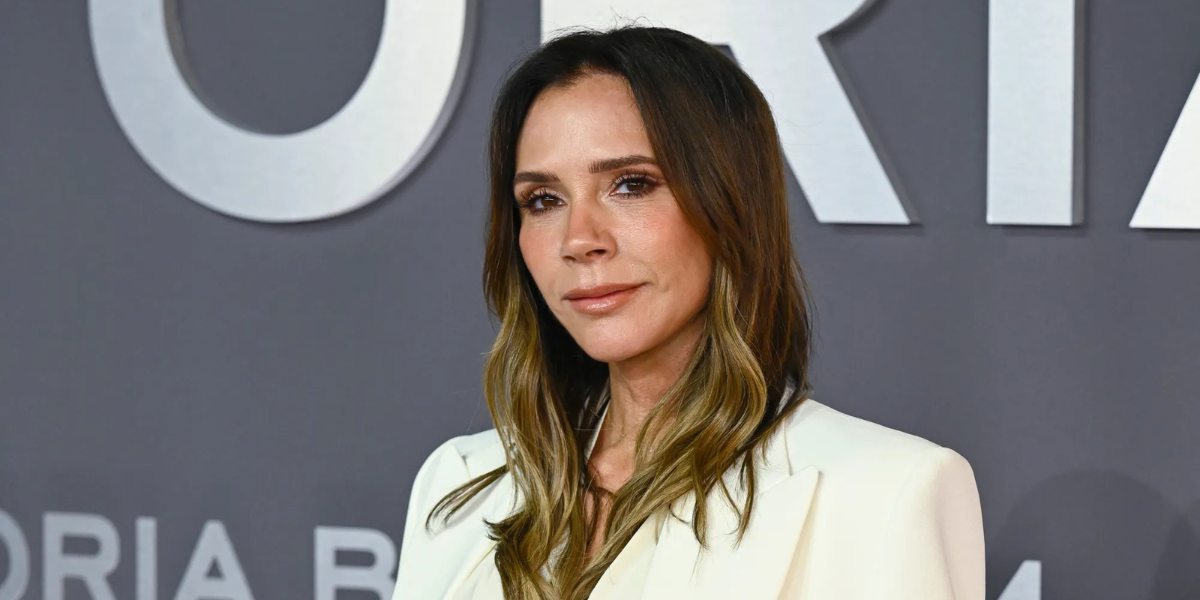
*In a candid conversation with Emma Grede on the Aspire Podcast, Victoria Beckham revealed something many entrepreneurs rarely admit: success didn’t arrive when the headlines said it did. It arrived years later—after public losses, painful restructuring, and learning how to become the leader her business actually needed.*
For most people, Victoria Beckham’s story looks straightforward.
Spice Girl. Global celebrity. Fashion designer. Beauty founder.
But behind the polished image sits a founder who spent nearly two decades fighting to prove she belonged in an industry that questioned her from day one.
And perhaps the most surprising revelation from her Aspire interview wasn’t about fashion at all.
It was about endurance.
The Four Years That Defined Twenty
Beckham pointed out an irony that many entrepreneurs will recognize.
The Spice Girls lasted just four years. Yet decades later, that chapter still shapes how people see her. Meanwhile, she has spent more than 20 years building businesses in fashion and beauty.
That disconnect created a challenge.
When she launched her fashion label in 2008 with a humble collection of ten dresses shown in a New York hotel suite, critics weren't evaluating the product. They were evaluating the person behind it.
Could a pop star really build a luxury fashion brand?
Most founders face skepticism. Beckham faced it on a global stage.
Her response was simple:
Don't listen to the noise. Stay focused on the purpose.
It's advice that's easy to repeat and incredibly difficult to practice.
The Reality of Entrepreneurial Losses
One of the most powerful moments in the conversation came when Beckham discussed the years her business spent losing money.
Today, the company is profitable. But getting there was painful.
She openly discussed:
- Public financial losses
- Strategic mistakes
- Leadership challenges
- Downsizing teams
- Restructuring the company
- Losing control over parts of the business
For many founders, these experiences happen quietly.
For Beckham, they happened under a microscope.
What stands out is her refusal to blame others.
Instead, she repeatedly returned to accountability.
"I could have done that differently."
That's a rare mindset. Most entrepreneurs want the credit for success and an explanation for failure. Beckham appears to have embraced the opposite: ownership of both.
Why Great Products Aren't Enough
One lesson every early-stage entrepreneur should hear:
Victoria Beckham believed that if you created a great product, success would follow.
She was wrong.
The products weren't the problem.
Consumers loved the designs.
The challenge was building the infrastructure around them.
The right team.
The right leadership.
The right financial discipline.
The right operational decisions.
It's a reminder that entrepreneurship isn't just creativity.
It's systems.
Many founders fall in love with the product. The best founders eventually learn to love the business.
The Turning Point: Putting Victoria Back Into Victoria Beckham
At a critical moment, Beckham's investor and business partner delivered difficult news.
If the company was going to survive, everything needed to change.
The structure.
The team.
The strategy.
Even Beckham's own role.
One insight from the interview is particularly relevant for founders experiencing growth:
For years, she struggled with imposter syndrome.
Despite being the face of the brand, she often deferred to experts with more industry experience. She questioned her own instincts.
Eventually, she realized something important:
Nobody understood the Victoria Beckham customer better than Victoria Beckham.
The business improved when she stopped shrinking her voice and started trusting it.
That's not an argument against expertise.
It's a reminder that founders often know more than they think.
The Builder Mentality
Throughout the conversation, Beckham repeatedly described herself and David Beckham as "builders."
Not celebrities.
Not public figures.
Builders.
That distinction matters.
Builders aren't motivated primarily by status.
They're motivated by creation.
You can see it in her decision to launch Victoria Beckham Beauty even while the fashion business was struggling.
Objectively, it looked risky.
But she saw an opportunity to solve a problem she deeply understood.
The result?
The beauty brand became profitable immediately.
The lesson isn't "start another company."
The lesson is that builders keep building.
Why Legacy Matters More Than Success
When Emma Grede asked Beckham about the future, her answer wasn't about wealth.
It was about legacy.
She wants to create a brand that outlives her. A company that continues empowering women long after she's gone.
That's a fundamentally different goal from becoming successful.
Success is personal.
Legacy is institutional.
Success asks:
"How far can I go?"
Legacy asks:
"What remains when I'm gone?"
Many entrepreneurs spend years chasing validation.
The most enduring founders eventually start chasing impact.
The Most Important Lesson for Founders
Perhaps the strongest takeaway from the entire conversation wasn't about business at all.
It was about guilt.
As a mother, founder, wife, and public figure, Beckham spoke candidly about the impossible balancing act many entrepreneurs face.
The advice that stayed with her came from fashion icon Diane von Furstenberg:
"Guilt is such a negative emotion. It is pointless. And darling, it's very aging."
It's funny.
But it's also profound.
Entrepreneurs often carry guilt for what they aren't doing.
Not spending enough time with family.
Not working hard enough.
Not moving fast enough.
Not being present enough.
Beckham's perspective is refreshing:
Do the best you can.
Show up fully.
Keep moving forward.
Final Thought
Victoria Beckham's story isn't really about fashion.
It's about reinvention.
It's about surviving public failure.
It's about learning leadership in real time.
And it's about having the courage to keep building long after most people would have walked away.
For entrepreneurs, that's the real lesson.
Not that she became successful.
But that she stayed in the game long enough for success to finally catch up.
Lovable Co-Founder Anton Osika: How to Build a Profitable AI Business Without Coding